
The ‘Palestine exception’ to press freedom
While Palestinian journalists’ work may be internationally lauded, their freedoms and lives remain under attack as they continue to cover the Israeli occupation and relentless bombardment of the Gaza strip.
This story also appears in our newsletter, The Front Page, which examines systems of power and inequity in media. Subscribe here.
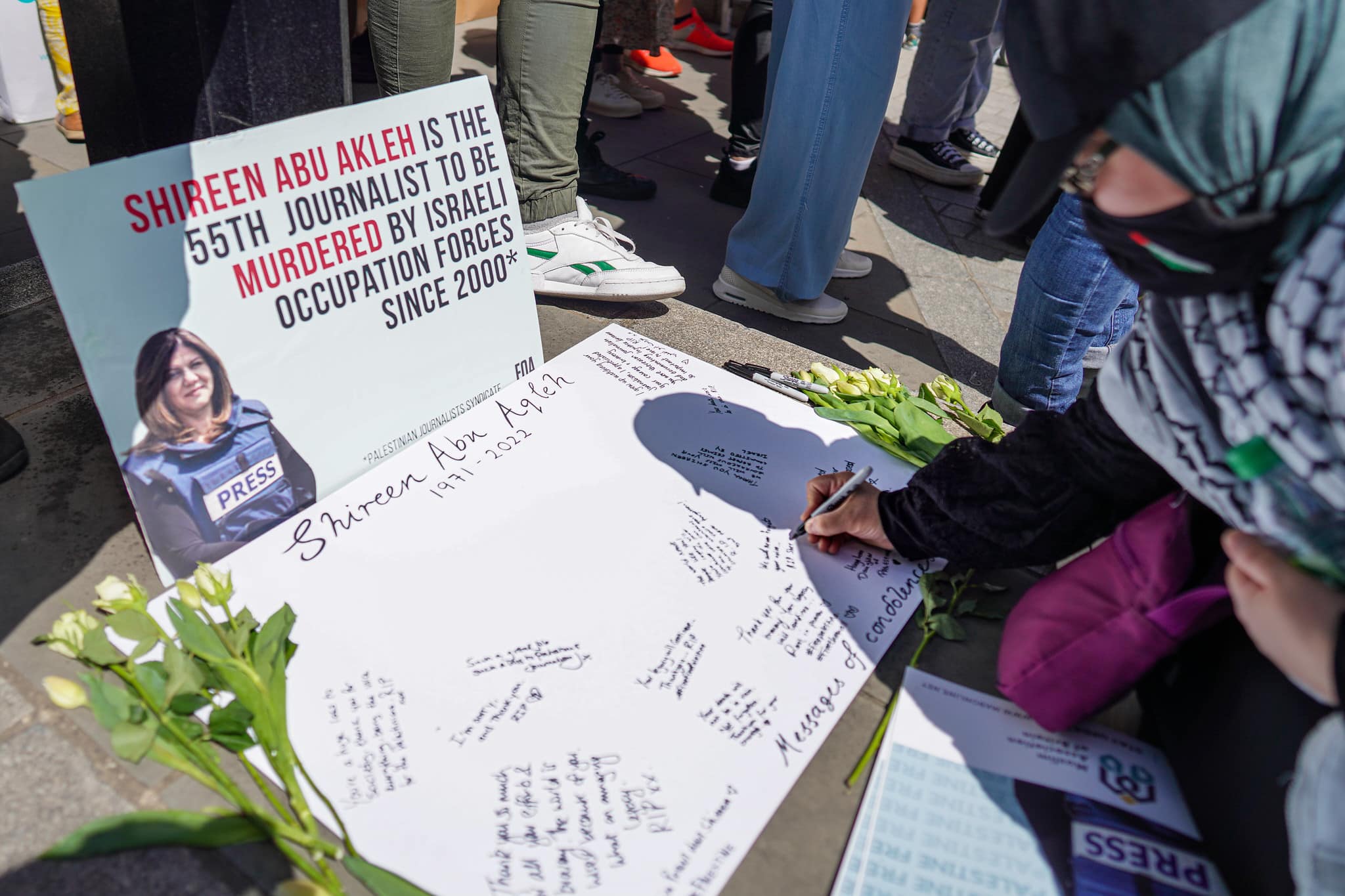
Over the weekend, Israeli military forces raided the Al Jazeera Ramallah press office in Palestine’s West Bank, and broadcasted the raid live on TV, delivering an order for the office to remain shut for the next 45 days. Soldiers tore down a poster of the late journalist Shireen Abu Akleh, an Al Jazeera reporter Israeli forces killed in 2022. (Forensic Architecture said it was an intentional targeting, and the United Nations and US agencies are currently investigating the killing.)
Less than a week after the raid, Palestinian journalist Bisan Owda, in partnership with Al Jazeera’s AJ+, won an award for the documentary “It’s Bisan from Gaza — and I’m Still Alive.”
“It was a show of force, a show of intimidation to show journalists around the globe that what’s happening in Gaza and the West Bank isn’t allowed to be reported about,” Al Jazeera managing editor Mohamed Moawad told Democracy Now. Moawad and Al Jazeera have rejected Israel’s rationale for the raid, as they alleged the newsroom was “being used to incite terror, to support terrorist activities and that the channel’s broadcasts endanger … security and public order.”
The jarring contrast reflects the ongoing double standard present when it comes to Palestinian journalists — while their work may be internationally lauded, their freedoms and lives remain under attack as they continue to cover the relentless Israeli bombardment of the Gaza strip.
It’s not just Palestinian journalists who have been censored: The Foreign Press Association accused the Israeli government of imposing an unprecedented ban on independent foreign press access into Gaza. Over 50 journalists signed an open letter in February pushing for access.
Per the Committee to Protect Journalists, over 116 journalists (111 Palestinian, 2 Israeli and 3 Lebanese) have been killed since the genocide began. CPJ has classified at least five journalists’ killings as murders, as they were directly targeted by Israeli forces: Issam Abdallah, Hamza Al Dahdouh, Mustafa Thuraya, Ismail Al Ghoul, and Rami Al Refee. This month, the Israeli military has also escalated strikes on neighboring Lebanon. Reporters Without Borders has filed 4 complaints with the International Criminal Court for Israeli military war crimes.
In January, Shuruq As’ad, a member of the Palestinian Journalist Syndicate, told The Nation Israel has been committing a “genocide of journalists.”
“Every day we are losing one or two of our colleagues,” As’ad said. “But this is not new. This is the result of a political system in which the police, the mainstream media, the parliament, and the judiciary are all complicit.”
U.S. media institutions actively participate in that same system As’ad describes when they shy away from accurate language while continuing to censor and retaliate against journalists standing in solidarity with their Palestinian colleagues, from journalism professors to reporters on the ground.
This piece was edited and copy edited by Gabe Schneider.
James Salanga is the co-director of The Objective and the podcast producer at The Sick Times.
We depend on your donation. Yes, you...
With your small-dollar donation, we pay our writers, our fact checkers, our insurance broker, our web host, and a ton of other services we need to keep the lights on.
But we need your help. We can’t pay our writers what we believe their stories should be worth and we can’t afford to pay ourselves a full-time salary. Not because we don’t want to, but because we still need a lot more support to turn The Objective into a sustainable newsroom.
We don’t want to rely on advertising to make our stories happen — we want our work to be driven by readers like you validating the stories we publish are worth the effort we spend on them.
Consider supporting our work with a tax-deductable donation.

James Salanga,
Editorial Director
Related Articles
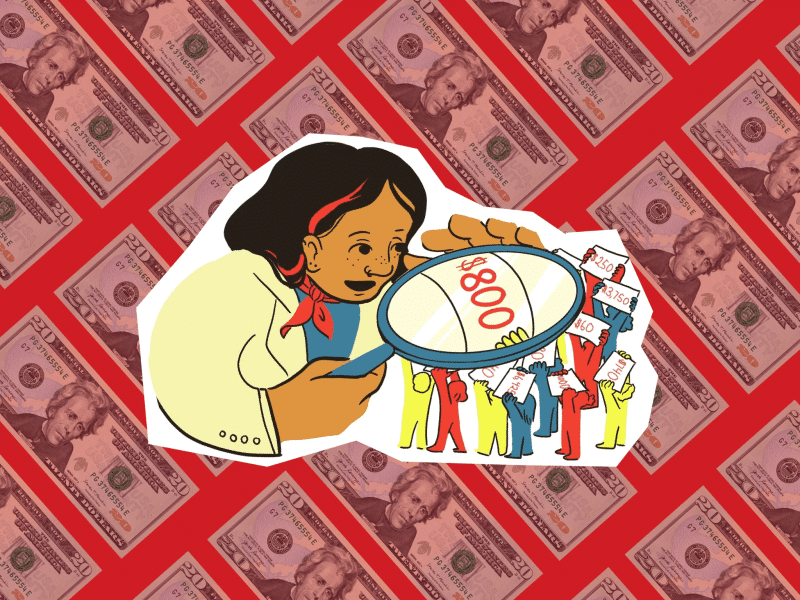
Freelance journalism rates are worse than you think — they’ve barely changed since 2000
It’s not your fault you’re broke. New data from the National Writers Union offers a glimpse into a bleak picture of decades-long wage stagnation in freelance journalism.
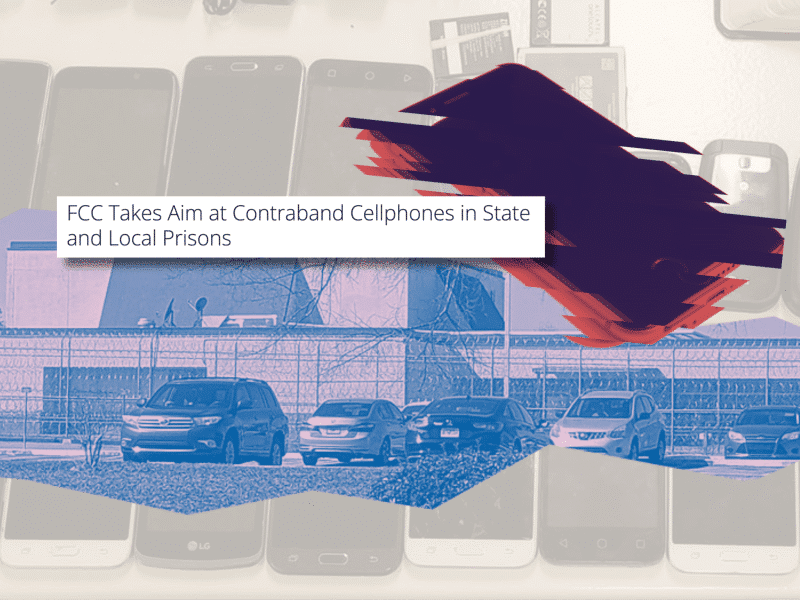
Potential FCC cellphone jamming policy would silence incarcerated journalists
An incarcerated journalist in Georgia calls free press advocates to rally against the 23-state effort to allow FCC-approved cellphone jamming technology, which would limit incarcerated journalists’ efforts to report on harms on the inside.
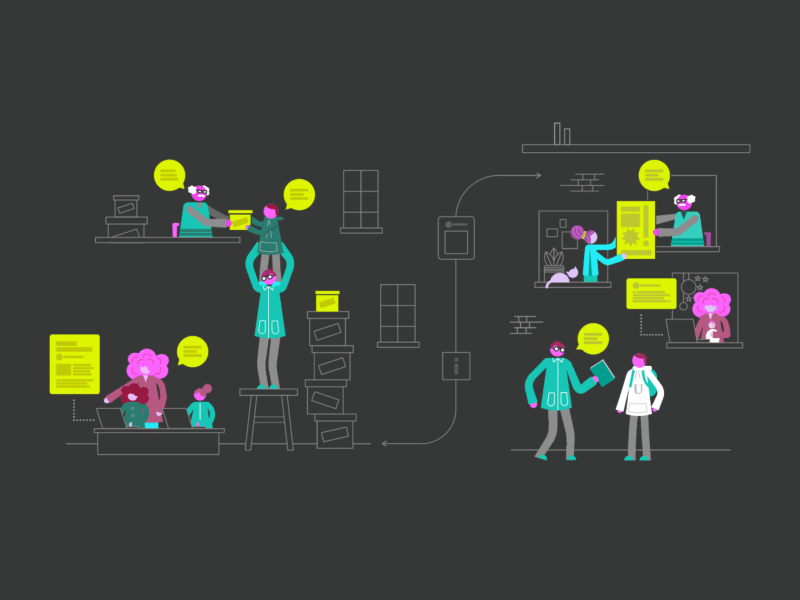
Journalists aren’t the only ones sharing the news, and that’s a good thing
A new framework from Journalism + Design Lab invites newsrooms to build on the abundance, diversity, and momentum already in our communities to strengthen local news.