
Legacy media helped create this anti-trans moment. Now they’re reporting on it.
Major mainstream newspapers like The New York Times downplay the Trump administration’s latest attack on trans rights after years of helping lay the groundwork for it.
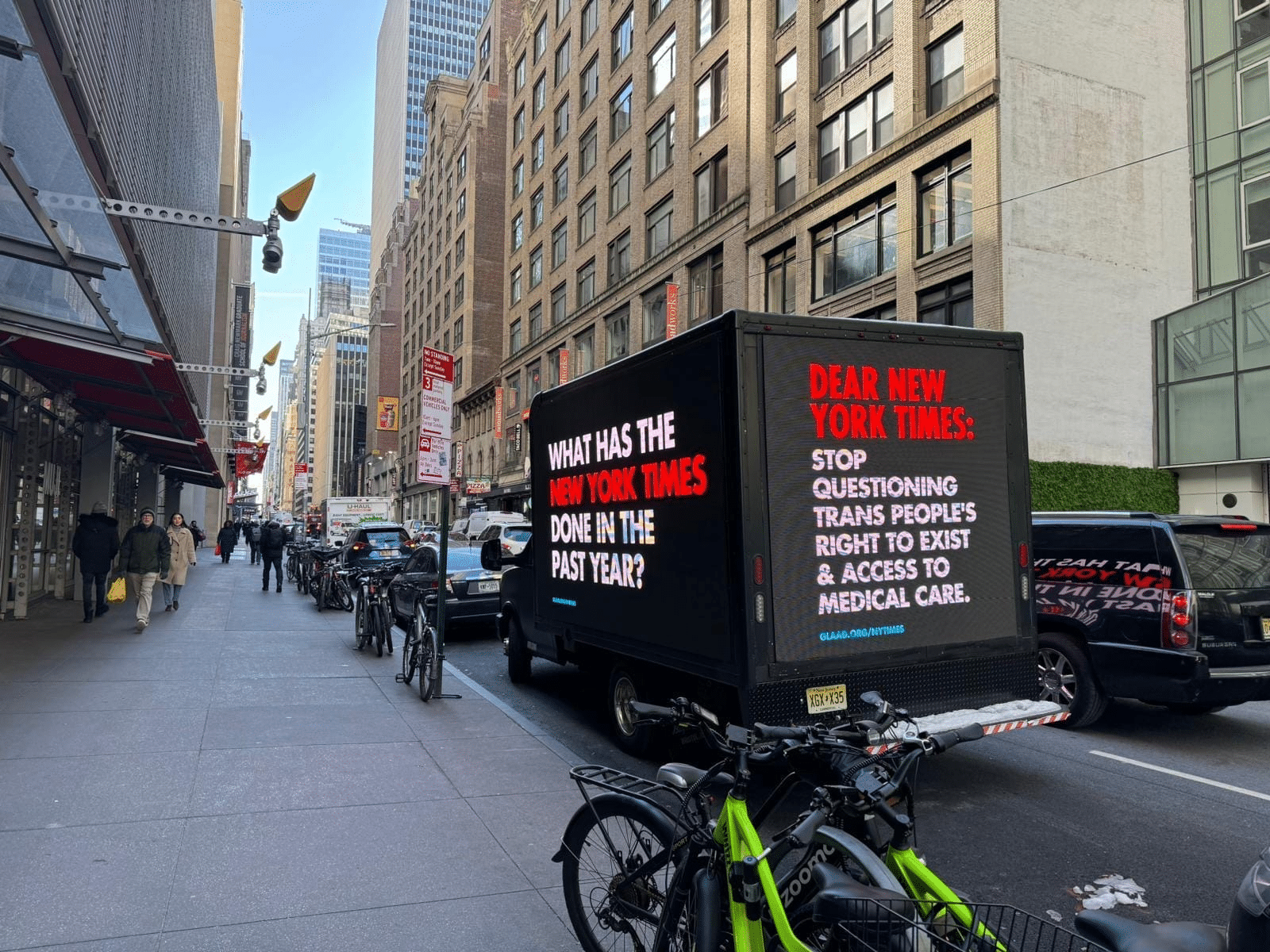
When Donald Trump signed an executive order on Tuesday attempting to end gender-affirming care for anyone under the age of 19, encourage the prosecution of doctors who provide this care, and strip insurance coverage from trans people, neither the New York Times nor the Washington Post thought this development warranted a push notification to their readers.
This is a clear illustration of how leadership at these outlets’ view of attacks on trans rights: they’re standard political developments rather than acts of state-sponsored discrimination targeting a vulnerable minority. The lack of push notifications might seem like a small thing, but it speaks to these newsrooms’ failure to recognize the gravity of this moment — one that stems directly from these outlets’ inability to see their own role in making it possible.
The Times‘ coverage, in particular, demonstrates the paper’s refusal to take accountability for its role in seeding anti-trans sentiment.
For years, the newsroom has published article after article casting doubt on gender-affirming care, portraying trans healthcare as “controversial” despite overwhelming medical consensus supporting it, and giving ample space to anti-trans activists while rarely quoting trans people themselves. All the while, anti-trans opinion columnists at the paper, such as Pamela Paul, have churned out piece after piece delegitimizing and demeaning trans existence. Tuesday’s coverage continued this pattern — in reporting on an executive order directly impacting trans Americans, the Times didn’t quote a single trans person.
This isn’t an accident or oversight. It’s part of a consistent pattern at the paper that reflects an editorial choice — with material harm given the Times’ role as the U.S. paper of record. As documented in The Flaw’s 2024 investigation of media coverage, the Times‘ reporting has repeatedly been cited by lawmakers and used in legal briefs to justify anti-trans legislation across the country. The paper’s consistent framing of gender-affirming care as “controversial” and “dangerous,” rather than as standard medical care supported by every major medical association, provides intellectual cover for the sweeping restrictions Trump is now attempting to implement nationwide.
Even now, with Trump explicitly calling trans healthcare “chemical and surgical mutilation” in official government documents, the Times maintains its stance of faux-neutrality, similar to how its leadership ignored queer Americans during the inception of the AIDS crisis while giving cover to the poor government response. The paper amplifying mainstream anti-trans talking points now acts as though it’s merely documenting the inevitable, rather than watching the seeds it planted bloom into full-blown institutional discrimination.
Related: Bad-faith coverage of trans issues — who does it serve?
The Washington Post‘s coverage, while marginally better in including some trans voices, still treats this as just another policy story rather than what it is: an unprecedented attack on the healthcare rights of both trans youth and adults that will put lives at risk. Both papers frame this primarily as follow-up coverage on Trump’s campaign promises rather than a human rights story about state-sponsored discrimination.
This is what happens when newsrooms fail to adequately include trans voices, both in coverage and in editorial decision-making. As GLAAD has documented, the Times has ignored repeated calls to hire trans journalists and editors, while continuing to platform anti-trans voices under the guise of “balanced” coverage. The result is reporting that fundamentally misunderstands both the stakes and context of these policies.
Consider how different the coverage and its impact might be if these papers treated attacks on trans rights with the same gravity they apply to other civil rights issues. Imagine if they consistently quoted trans people and their families about policies affecting their lives. Imagine if they highlighted the medical consensus supporting gender-affirming care instead of platforming fringe opposition to it. Imagine if they treated discrimination against trans people as discrimination rather than legitimizing it as a political debate.
Trans journalists themselves have made it easy to find resources to even begin doing better — namely, the ever-updating Trans Journalists Association Style Guide.
Related: Q&A: Trans media workers make their own space
But a meaningful coverage shift would require these outlets to acknowledge their own complicity in creating this moment. It would mean reckoning with how their “just asking questions” coverage helped validate baseless fears about trans healthcare. It would mean admitting that their both-sides approach to human rights enabled exactly the kind of sweeping discrimination we’re seeing now.
Instead, we get coverage that treats Trump’s executive order as just another campaign promise fulfilled rather than what it is: the culmination of years of manufactured moral panic that these very outlets helped create. The Times and Post want to be seen as neutral observers of history. But when it comes to the assault on trans rights, they’ve been active participants all along. Their readers deserve to know that.
Parker Molloy is a Chicago-based writer and author of The Present Age, a newsletter about communication in a hyperconnected world.
This piece was edited by James Salanga. Copy edits by Gabe Schneider.
We depend on your donation. Yes, you...
With your small-dollar donation, we pay our writers, our fact checkers, our insurance broker, our web host, and a ton of other services we need to keep the lights on.
But we need your help. We can’t pay our writers what we believe their stories should be worth and we can’t afford to pay ourselves a full-time salary. Not because we don’t want to, but because we still need a lot more support to turn The Objective into a sustainable newsroom.
We don’t want to rely on advertising to make our stories happen — we want our work to be driven by readers like you validating the stories we publish are worth the effort we spend on them.
Consider supporting our work with a tax-deductable donation.

James Salanga,
Editorial Director
Related Articles

How disaster reporting hit home for two Appalachian journalists after Helene
Disaster journalism is vital, but can be traumatizing for both journalists and sources. We can make it better by treating disaster survivors — and ourselves — with more humanity.
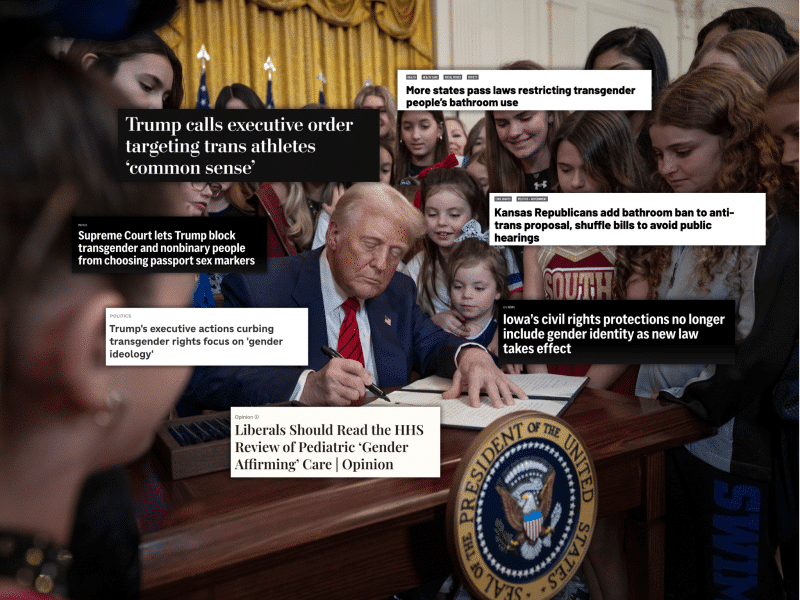
‘Almost media silence’: National, local news ignores trans Americans amid 2025’s anti-trans attacks
The failures of newsrooms to substantively cover anti-trans legislation in 2023 and 2024 have compounded over the first year of Trump’s second term in office.
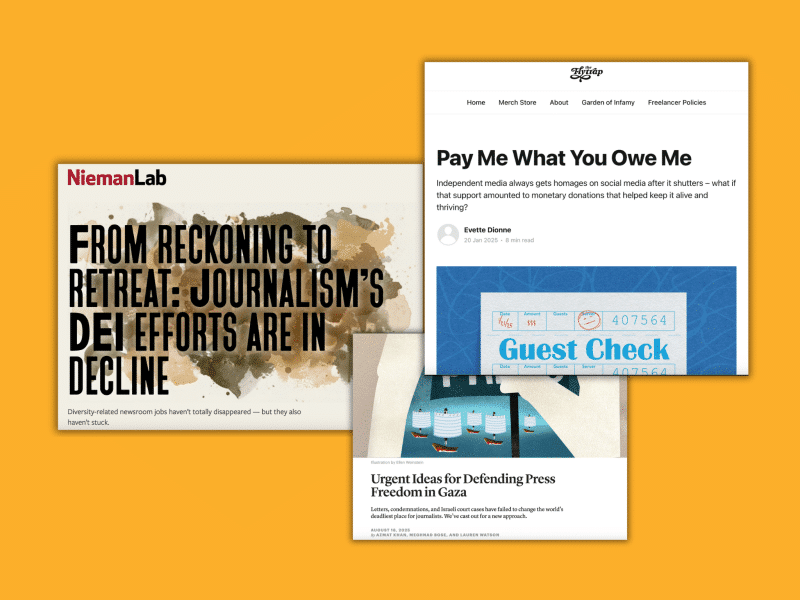
The Objective’s favorite media reporting and criticism of 2025
A non-comprehensive list of The Objective’s co-directors and readers’ picks for media coverage and commentary this year.