
Policy-critical reporters aren’t “hecklers”
At U.S. Secretary of State Antony Blinken’s last press conference, mainstream news coverage prioritized reporters’ “disruption” over substantively covering Blinken’s policy record on Gaza.

On the eve of a three-phase ceasefire agreement that could bring some hope to Palestinians living under Israeli apartheid, press conferences are the time to “hold power to account.”
But yesterday, that’s not what happened: Two reporters were removed from Secretary of State Antony Blinken’s final press briefing after asking questions about the United States’ financial and diplomatic support of Israel during the Biden administration. Worse, the removal — not Blinken’s policy — was the focal point of coverage, and none of the journalists’ colleagues in the briefing room intervened.
The U.S. has vetoed a ceasefire resolution in the UN Security Council six times. The Israeli military has killed over 46,000 Palestinians since Palestinian militants with Hamas launched a surprise attack in October 2023, and human rights organizations have pointed to Israel’s military using starvation as a weapon of war, bombing hospitals and displacing Palestinians as conditions exacerbating the ethnic cleansing of Palestinians.
Yet questions about U.S. complicity weren’t centered or prioritized yesterday. if you look up news coverage of Blinken’s final press conference, many headlines don’t identify the two removed reporters as journalists: Instead, they’re “protesters” and “hecklers” who berated Blinken.
The rhetoric and frame in this reporting focuses on the element of disruption instead of substantively centering the journalists’ critiques. It’s another example of what’s known as the protest paradigm, a pattern of mainstream news reporting focused on negative impacts of protesters rather than the changes they’re pushing for.
Sam Husseini, a Jordanian-Palestinian writer, pointed out the U.S. consistently blocked International Court of Justice orders for Israel to call off its military actions while Blinken was giving remarks and was told to “respect the process.”
“Everybody from the ICJ to Amnesty [International] is saying that Israel is doing genocide and extermination, and you’re telling me to respect the process?” he responded.
Max Blumenthal, editor of independent media outlet The Greyscale, asked, “Why did you keep the bombs flowing [after the May 2024 Rafah airstrike] when we had a deal in May? … How does it feel for your legacy to be genocide?”
Nearly a year ago, the ICJ ruled it was “plausible” Israel committed acts violating the Genocide Convention.
And reporters’ unwillingness to intervene when both their peers were removed from security highlights the power dynamics at work within these government press conferences: They should just be grateful to be within the room, and access hinges on officials’ assessment of whether questions and conduct are “respectable.” A focus on respectability has trickled into news coverage, as studied in earlier accounts of media coverage of Black Lives Matter.
“You pontificate about a free press,” Husseini said before being removed. Journalists are constantly discussing ways to stand in solidarity with their fellow reporters. Even when they may disagree with their peers’ approach, it would’ve sent a stronger message about press freedom for those in the briefing room to support the pursuit of answers and truth on U.S. involvement and complicity in Palestinian deaths — especially in what has been the most deadly event for journalists in human history.
James Salanga is the co-director of The Objective and the podcast producer for The Sick Times.
This piece was edited by Gabe Schneider.
We depend on your donation. Yes, you...
With your small-dollar donation, we pay our writers, our fact checkers, our insurance broker, our web host, and a ton of other services we need to keep the lights on.
But we need your help. We can’t pay our writers what we believe their stories should be worth and we can’t afford to pay ourselves a full-time salary. Not because we don’t want to, but because we still need a lot more support to turn The Objective into a sustainable newsroom.
We don’t want to rely on advertising to make our stories happen — we want our work to be driven by readers like you validating the stories we publish are worth the effort we spend on them.
Consider supporting our work with a tax-deductable donation.

James Salanga,
Editorial Director
Related Articles
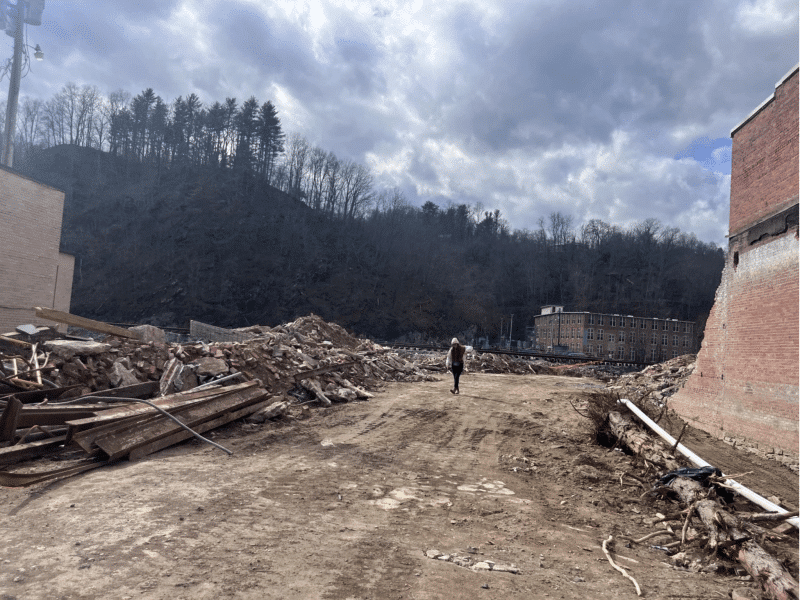
How disaster reporting hit home for two Appalachian journalists after Helene
Disaster journalism is vital, but can be traumatizing for both journalists and sources. We can make it better by treating disaster survivors — and ourselves — with more humanity.
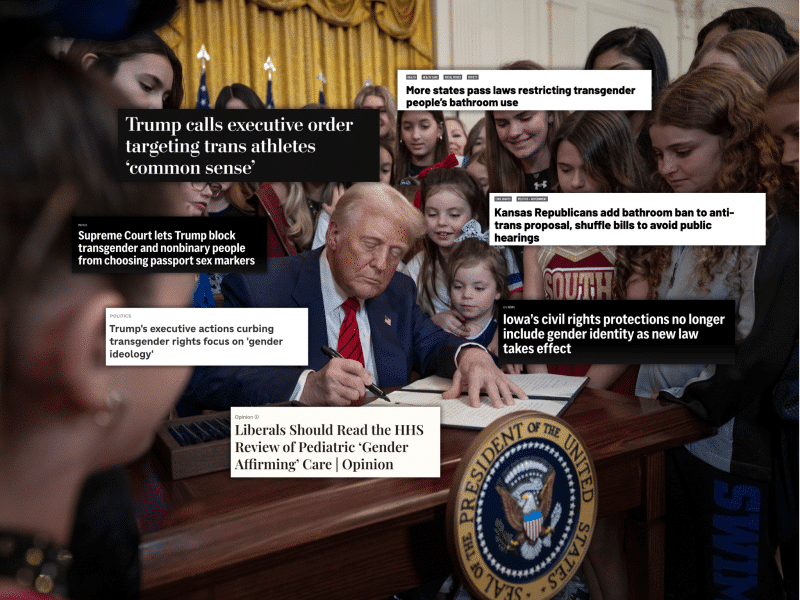
‘Almost media silence’: National, local news ignores trans Americans amid 2025’s anti-trans attacks
The failures of newsrooms to substantively cover anti-trans legislation in 2023 and 2024 have compounded over the first year of Trump’s second term in office.
The Objective’s favorite media reporting and criticism of 2025
A non-comprehensive list of The Objective’s co-directors and readers’ picks for media coverage and commentary this year.