
It’s time journalism moves beyond crisis reporting in immigrant communities. We need your help to do it.
In partnership with The Objective, a new steering committee of engagement journalists will work on a crowdsourced handbook for reporting on diaspora communities and share findings in a monthly newsletter.
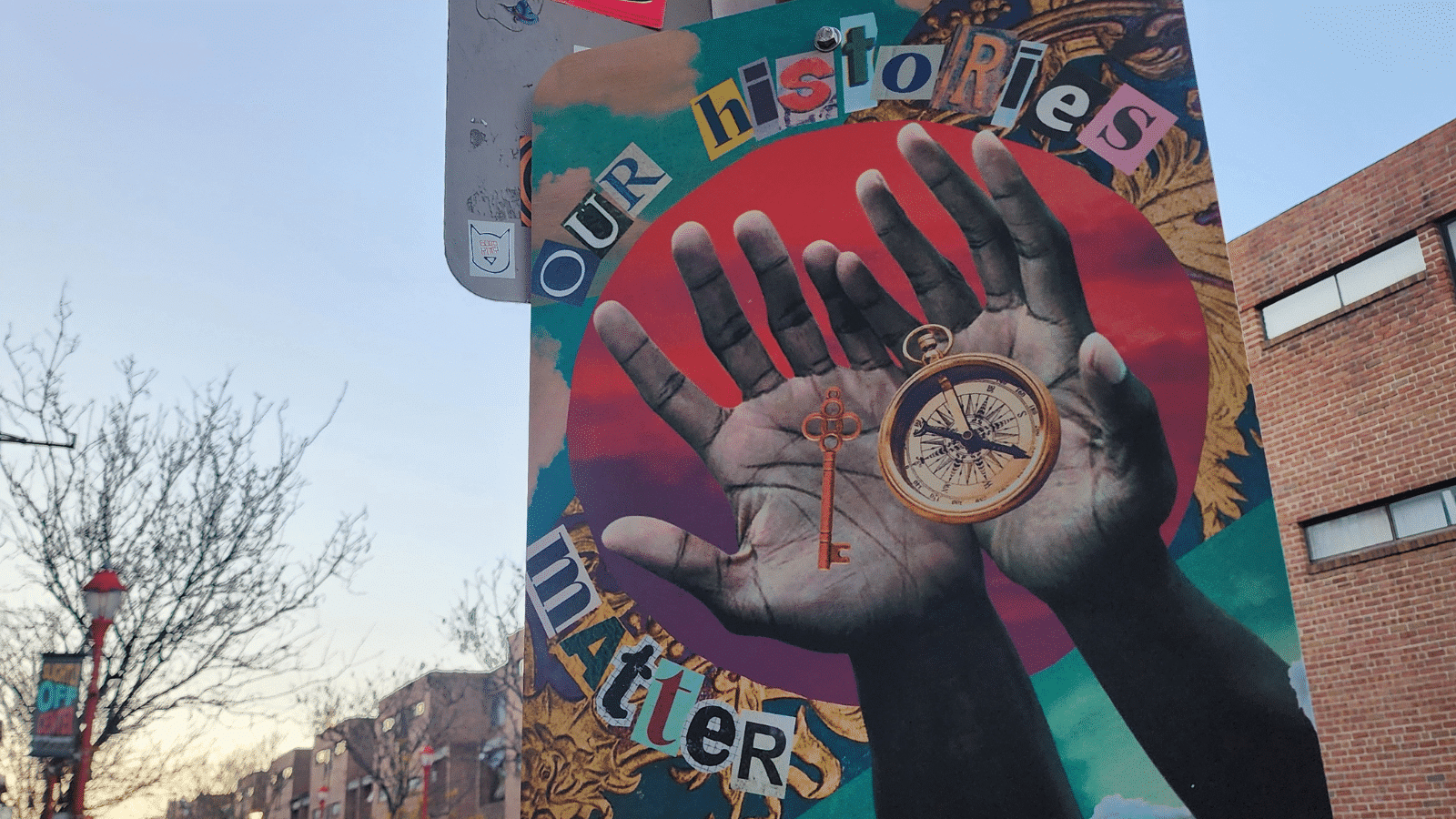
I learned early on as a daughter of immigrants that translation goes far beyond language — it means interpreting, synthesizing, and communicating everything from government forms and utility bills to news stories and political developments. Before the rise of the internet, information spread through landlines and word of mouth.
In my immigrant Filipino household, my brother and I had to navigate the convoluted student loan process for college. My parents learned the hard way how easily credit card debt adds up. Without trustworthy information, we lacked basic financial literacy, not understanding how interest rates worked or how credit scores affect whether or not my parents could buy a house.
Like many in diaspora communities, migrants and their families experience real consequences such as displacement, sending remittances, disinformation, and information gaps that shape how we understand both our home countries and the United States.
So on this International Press Freedom Day, I’m reflecting on how journalism must evolve, especially when it comes to reporting on diaspora communities. Too often our work focuses on language and framing in response to crisis moments: ICE raids, immigration deadlines, political violence.
Though providing timely information is essential and potentially even life-saving, it still often leaves our communities trapped in a reactive cycle that responds to agendas set by governments and institutions without prioritizing the long-term sustainability of communications infrastructure.
Dominant media outlets frame global affairs through the lens of government talking points and disconnected perspectives on civic control, urban development, and corporate investment. While established news agencies like the Associated Press and Reuters have diversity, equity, inclusion, and cultural sensitivity standards, they are not exclusively tailored to diaspora communities.
We’re not starting from scratch. Outlets like Conecta Arizona, URL Media, El Tímpano, and Documented who not only align with this guide’s values are already putting in the work by affording their staff the time and space to report in these communities. Centering migrants shouldn’t be an alternative approach in the journalism industry. It should be the standard. We’re trying to make that happen on a broader scale. That’s where you come in.
In collaboration with The Objective and a steering committee of deeply engaged journalists, we’re launching a crowdsourced handbook for diaspora reporting. We’re updating our findings in a monthly newsletter. From there, we’ll compile our findings at the end of the year.
Our steering committee (so far) is:
- Kristine Villanueva, community engagement journalist and educator
- Ashley Okwuosa, The Examination
- John Hernandez, Open News
- Diara J. Townes, Dis/misinformation expert, various organizations including Aspen Digital, Tow-Knight Center @ CUNY, and the Disinfo Defense League
- James Salanga, The Objective
This guide offers best practices for approaching language, sourcing, and collaboration with these realities in mind. It is a call for journalists and newsrooms to move beyond crisis-driven coverage and invest in building information systems that are accountable, resonant, and truly in service of the people they claim to represent.
We will have two information sessions/workshops to talk more about this project in depth and surface information needs that will help standardize our reporting practices with diaspora communities at the center.
Workshop #1 – Monday, May 19th at 3 p.m. EST
Workshop #2 – Thursday, May 29th at 6 p.m. EST
Subscribe here for updates.
Kristine Villanueva is an independent journalist and educator focusing on information access and community engagement.
This story was edited by James Salanga.
We depend on your donation. Yes, you...
With your small-dollar donation, we pay our writers, our fact checkers, our insurance broker, our web host, and a ton of other services we need to keep the lights on.
But we need your help. We can’t pay our writers what we believe their stories should be worth and we can’t afford to pay ourselves a full-time salary. Not because we don’t want to, but because we still need a lot more support to turn The Objective into a sustainable newsroom.
We don’t want to rely on advertising to make our stories happen — we want our work to be driven by readers like you validating the stories we publish are worth the effort we spend on them.
Consider supporting our work with a tax-deductable donation.

James Salanga,
Editorial Director
Related Articles
Journalists aren’t the only ones sharing the news, and that’s a good thing
A new framework from Journalism + Design Lab invites newsrooms to build on the abundance, diversity, and momentum already in our communities to strengthen local news.
The Black press has always faced an inequitable funding landscape. Its future can’t be the same
Looking to historical models can provide some clarity and inspiration in an environment once again hostile to funding Black journalists and the Black press.
It’s healthy for student journalists to raise concerns about AI
Generative AI isn’t a real solution to the issues facing newsrooms. Students are right to point that out.