
The decline of local journalism removes a future for the industry
Hyperlocal and local journalists like me tell stories for smaller communities that may not have “national significance”, but are important to the people in these towns and areas.
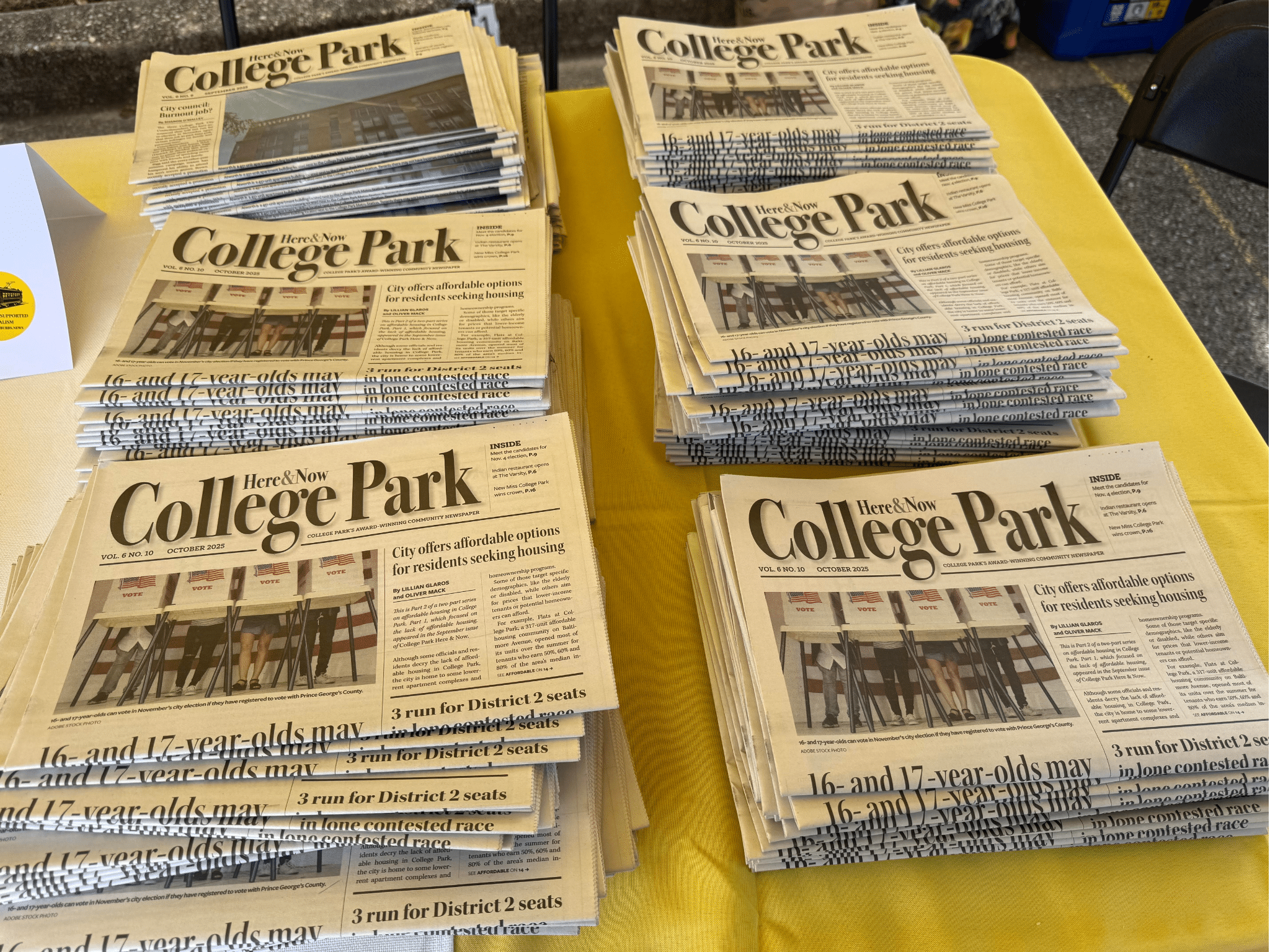
In October, I participated in a local town festival where my hyperlocal paper, College Park Here & Now, had a booth to distribute issues. As I sat there, residents came up and thanked us for our work. Many told me they loved us covering events and issues like local festivals, affordable housing, and the local school system that larger papers, like the Washington Post, wouldn’t ever cover if they didn’t have anything to do with the broader D.C.-Maryland-Virginia area.
But my own job search and my work as an associate editor for College Park Here & Now reinforces what the Medill School of Journalism Local News Initiative’s 2025 report says about local journalism: It’s in danger.
Roughly 130 local news organizations across the country closed in 2024. This year, that number went up. The 2025 report’s authors found 136 vanished due to closures or mergers, a little more than two each week. While the majority of those disappearances were weeklies, dailies were not spared — as of this year, there are fewer than 1,000 daily print newspapers remaining in the United States.
Journalism’s two-fold problem scares me: There’s a lack of journalists coming out and a lack of papers able to take on the ones who stay. This isn’t just about losing jobs — we are losing stories.
Hyperlocal journalism is imperative to the future of the medium because it helps foster young talent. Starting at a local paper during your time in university is a great tool for teaching news judgement and ways to cover different types of stories. For student journalists, it especially helps to serve as a stepping stone between college-class journalism and larger-market stories. My paper has close ties with the University of Maryland’s Journalism program, the Merrill School. Because of this, we have a constant influx of interns who come for necessary credits or for experience.
My editor-in-chief, Sharon O’Malley, and I have found our paper has been useful for people to discover what aspect of journalism they want to practice. Not every writer wants to be a reporter, and by doing smaller stories with a local paper they can figure out if the job is one they want. We have seen writers intern here and discover that they are more suited for other types of positions.
“It’s a great training ground for journalists,” O’Malley, also a journalism professor, said. “I think it’s important, because so many young people are leaving the field of journalism.”
She told me many of our interns go onto larger papers such as the Baltimore Sun and Washington Post.
But the growing loss of smaller-market papers contributes to journalism job insecurity, as graduating journalists may have difficulty in acquiring a job due to only having the option to apply for larger news organizations such as CNN and NBC. Breaking into the field in general has also become difficult, in part due to numerous job cuts at media organizations. Younger reporters are competing with older ones in larger position pools.
Over the summer, College Park Here & Now hosted a panel for local area papers to share their own thoughts and experiences on the importance of local news. They all spoke of issues with funding and the importance of working with residents and local students to fill gaps.
Panelist Delonte Harrod is the editor and publisher of the Black-led digital publication The Intersection Magazine, which covers Prince George’s County in Maryland. Harrod mentioned the number of students and community volunteers who would like to get into the profession. Another tool used is applying for grants with various journalism organizations. And one way in which Here & Now has attempted to garner funding is by having our executive director, Kit Slack, publish a piece asking for donations every few months in the monthly paper. We also take on requests for ads.
Taking on students can help fill slots when a paid staff isn’t possible. However, it’s not always perfect — students are not always available due to having a class load, which is especially prevalent during exam season. Sometimes, when students are only there for the class credit, we can only work with them for a small period of time. In times like this, it is left to the senior editors to pick up more work until a new batch can be brought in. The most we can do to deal with this turnover is one-on-one editing sessions with O’Malley, where she edits the story side-by-side with them to teach them our standards.
Some of my biggest learning experiences came from working as an intern for the Prince Georges Sentinel in Lanham, Maryland, including my first stories on local government and one of my fondest pieces about an epilepsy medication.
After doing that story, the people behind the medication thanked me for helping families discover it. The specific piece helped me realize what I wanted my journalism to be — “small” stories with large effects on residents. Hyperlocal and local journalists like me tell stories for smaller communities that may not have “national significance,” but are significant to the people in these towns and areas. The closures of newsrooms supporting this work are erasing a source of local history and crucial information.
Update, Jan. 5: This story was updated to include more information about Harrod’s role at The Intersection Magazine and the publication.
Jalen Wade is the associate editor at College Park Here & Now.
This story was edited by James Salanga. Copy edits by Jen Ramos Eisen.
We depend on your donation. Yes, you...
With your small-dollar donation, we pay our writers, our fact checkers, our insurance broker, our web host, and a ton of other services we need to keep the lights on.
But we need your help. We can’t pay our writers what we believe their stories should be worth and we can’t afford to pay ourselves a full-time salary. Not because we don’t want to, but because we still need a lot more support to turn The Objective into a sustainable newsroom.
We don’t want to rely on advertising to make our stories happen — we want our work to be driven by readers like you validating the stories we publish are worth the effort we spend on them.
Consider supporting our work with a tax-deductable donation.

James Salanga,
Editorial Director
Related Articles
It’s healthy for student journalists to raise concerns about AI
Generative AI isn’t a real solution to the issues facing newsrooms. Students are right to point that out.
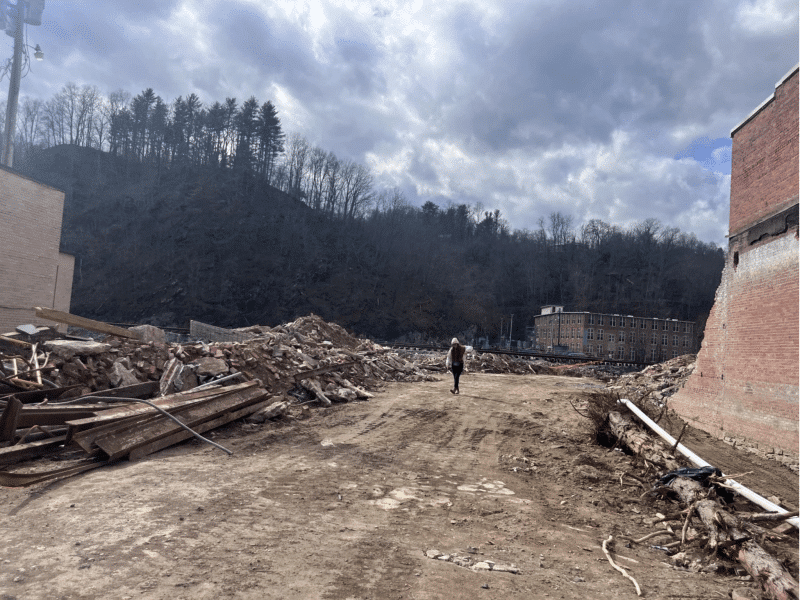
How disaster reporting hit home for two Appalachian journalists after Helene
Disaster journalism is vital, but can be traumatizing for both journalists and sources. We can make it better by treating disaster survivors — and ourselves — with more humanity.
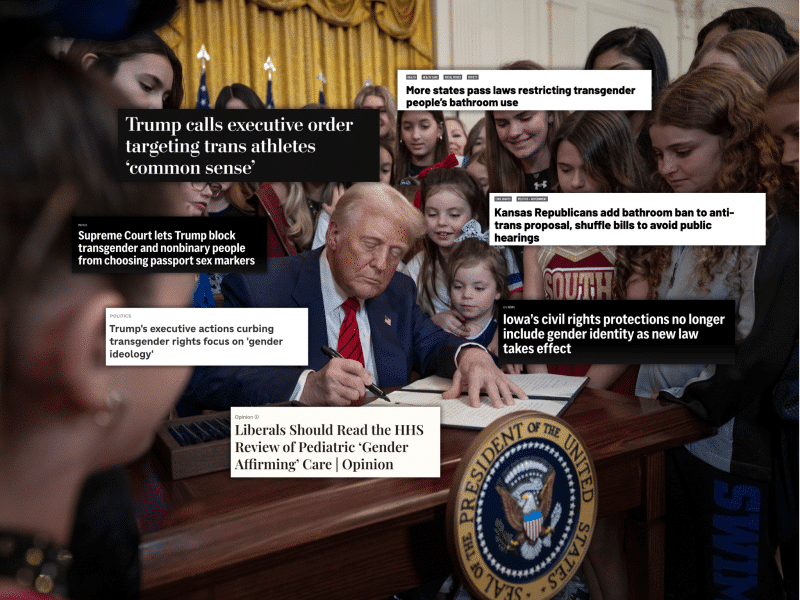
‘Almost media silence’: National, local news ignores trans Americans amid 2025’s anti-trans attacks
The failures of newsrooms to substantively cover anti-trans legislation in 2023 and 2024 have compounded over the first year of Trump’s second term in office.