
Journalists aren’t the only ones sharing the news, and that’s a good thing
A new framework from Journalism + Design Lab invites newsrooms to build on the abundance, diversity, and momentum already in our communities to strengthen local news.
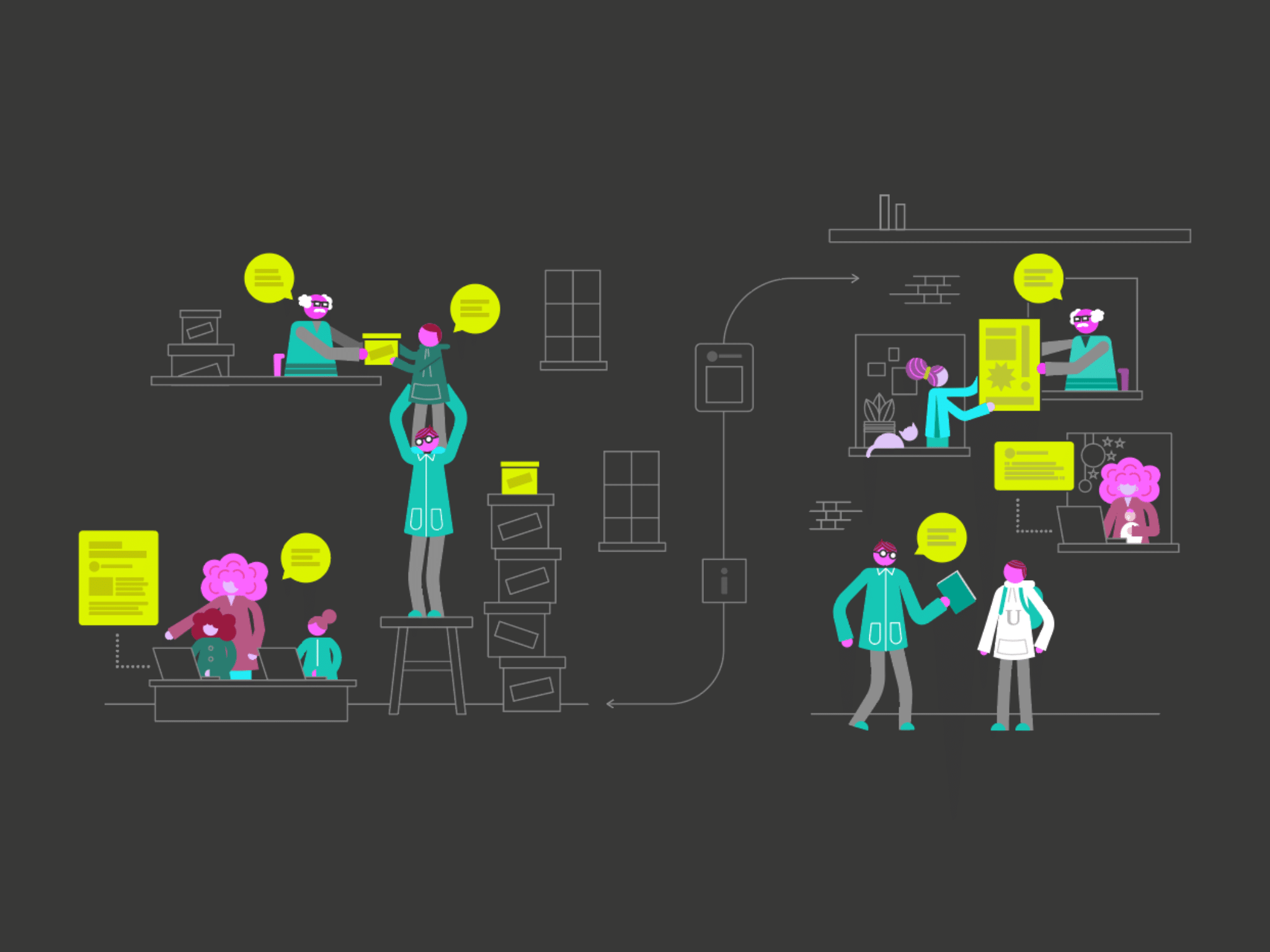
Who in your community is keeping you connected and informed right now?
Maybe it’s a journalist, but for many, newsrooms aren’t the only — or even main — places people are getting their news and information.
Librarians, community organizers, elders, and social media influencers are stewards of news and information in our communities right now.
And newsrooms don’t have a monopoly on how people create, share, and make sense of local news and information. There is a rich history of people across the U.S., and the world, generating grassroots news by, for, and with their communities, often when mainstream news failed to meet their needs. From the underground media-making by the LGBTQ+ community during the onset of the AIDS epidemic, to Ida B. Wells self-publishing and distributing her pamphlets on lynching in the South, to modern-day ethnic and indigenous media stepping up to counter disinformation, communities have been creating their own information ecosystems outside of traditional journalism.
Looking beyond the frame of “journalism” shows us an abundant civic information ecosystem full of people playing community news roles in diverse and intersectional ways.
Related: It’s time for civic media
In a moment where newsrooms’ diversity, equity and inclusion efforts are in decline and young people see “traditional news [as] irrelevant, difficult to understand, or unfairly biased,” newsroom workers must be experimenting with new ways to respond to a deep lack of trust in journalism. Instead of trying to do more, in isolation, organizations like City Bureau, Oaklandside, and the American Press Institute are showing another approach worth trying. They’re noticing where in our communities others are reaching people estranged from traditional news and working with this momentum to strengthen the news and information ecosystem.
Identifying the roles played in sharing local news
At the Journalism + Design Lab — an initiative at The New School that activates community colleges and other civic organizations as local news infrastructure — we’ve developed a framework of “Community News Roles” outlining a set of actions for how community members produce, share, and act on reliable information.
Those roles name how community members keep each other informed, from neighbors organizing dinner conversations ahead of elections and volunteers documenting ICE and immigration raids to notify vulnerable members of their community, to librarians supporting residents to understand complex housing policies, elders in barbershops providing history and context to young people as their town experiences gentrification, and social media influencers explaining on their platforms how our privacy is changing with the growth of generative artificial intelligence.
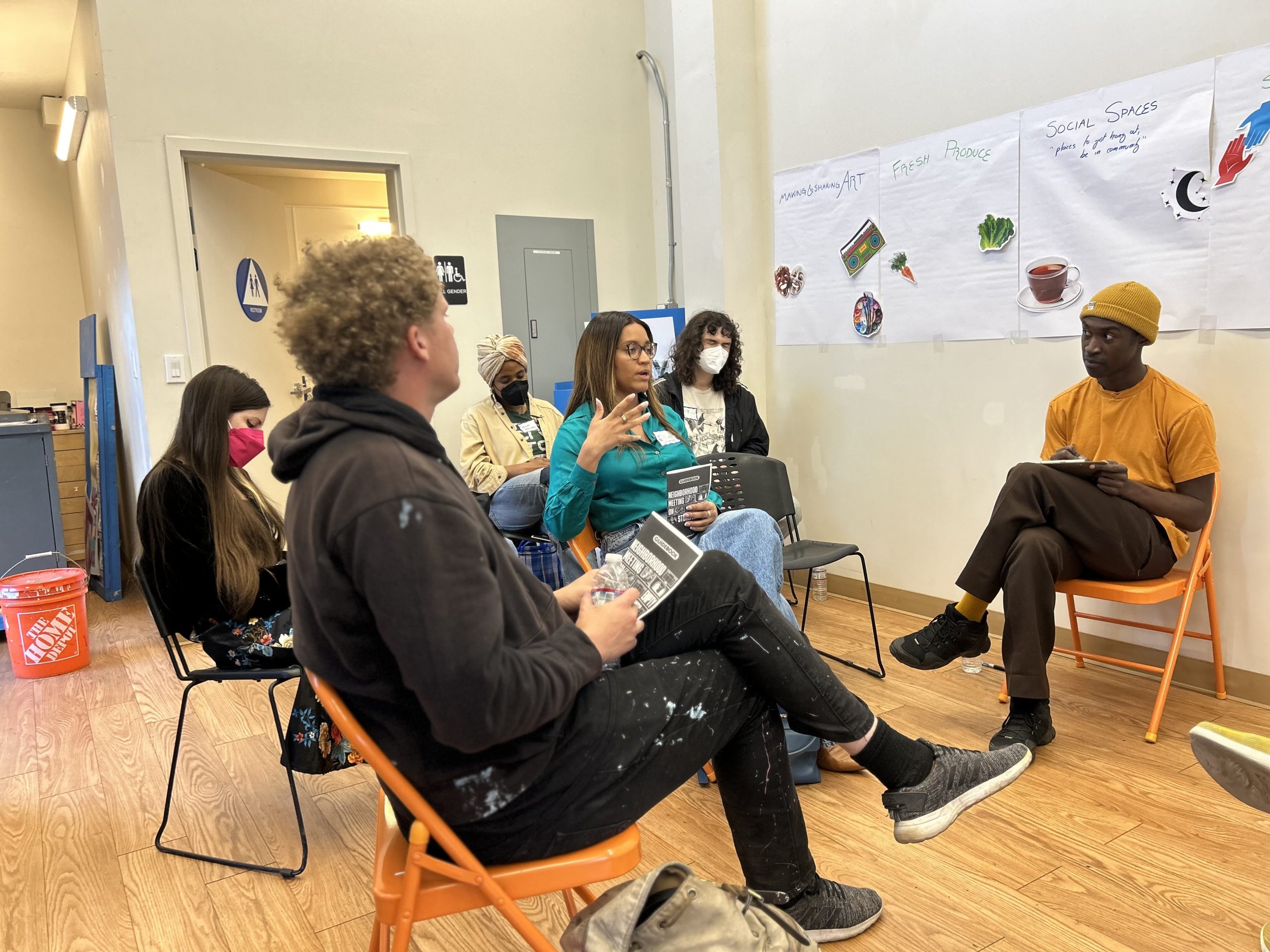
Roles include facilitating, documenting, commenting, inquiring, sensemaking, amplifying, navigating, and enabling, and many people play multiple.
- Facilitators cultivate community listening, conversation, and connection.
- Documenters record what’s happening in a community.
- Commenters share their personal expertise or experience.
- Inquirer ask questions and digging deeper.
- Sensemakers help others understand and contextualize issues and events.
- Amplifiers curate, share, and distribute news and information.
- Navigators assist others in engaging with services and information they need.
- Enablers share time and resources to support local news.
Creating a framework that explicitly names these roles is the first step in identifying the ways that we all participate in local news ecosystems. By documenting the distinct and interconnected ways people can, and do, step into these roles, we can better understand them while encouraging more community members to participate in local news.
You can read the “Community News Roles” framework in full, and read examples of the framework in action, here.
Working as a network instead of just as a newsroom
At a time when politicians and tech platforms are seeking to harness community energy to spread misinformation, propaganda, and division, and the World Economic Forum identifying misinformation and disinformation as “one of the most pressing risks for the next two years,” newsrooms have an opportunity to support community members to play a role in local news while centering listening, ethics, verification, and care.
That starts by taking a networked approach to our news and information ecosystem. When newsroom workers embrace their unique contributions to the news and information ecosystem, and also work in concert with community members playing distinct, complementary roles, they strengthen the news of the whole community.
There are already several examples of this type of newsroom-community collaboration that have widened community participation, strengthened existing newsroom offerings, and bettered their local news ecosystem.
In Chicago, City Bureau set up the now nationwide program Documenters, which pays, trains, and supports community members to attend and “document” public meetings. These notes are shared with the community to improve government transparency and access to these meetings, and have served as supplementary sourcing and background for City Bureau’s reporters.
The American Press Institute has outlined how newsrooms are working with content creators to create “sensemaking” content for their audiences by creating explainers on topics like artificial intelligence and immigration, and breaking down layered context, history, or other reporting. They’ve also documented examples, like with the Houston Chronicle, in which newsroom-creator collaborations have been mutually beneficial, providing the influencer with more credibility and supporting the Chronicle in reaching younger audiences.
Additionally, many community-oriented newsrooms now dedicate editorial verticals to publishing local voices, like Oaklandside’s Amplify Oakland. These verticals and series offer people another public forum to “comment” on life in their communities in their own words, which can be more accessible than showing up to a city council meeting.
In these examples, local newsrooms and the members of the communities they’re part of play to their strengths, and together, they serve their community in a way that’s not possible alone.
For too long, the journalism industry has been insular in thinking of itself as the sole source of and solution for news. At a pivotal moment where trust in journalism is declining, newsrooms are strongest when they shed the scarcity mindset, celebrate the abundance within their communities, and use their resources to connect and strengthen our news ecosystem.
Interested in hearing more about this framework and discussing ideas with other information practitioners? Join Journalism + Design Lab and the Online News Association for a free, online event on April 22 at 2 p.m. EDT.
Register here for the event, “From newsroom to network: Mapping the community roles that fuel local news tools to strengthen trust, resilience, and democratic participation.“
Megan Lucero is a systems change practitioner working at the intersection of media and community organizing; she is currently contributing to Journalism + Design Lab, News Futures, and The People’s Newsroom.
This piece was edited by James Salanga. Copy edits by Marlee Baldridge.
We depend on your donation. Yes, you...
With your small-dollar donation, we pay our writers, our fact checkers, our insurance broker, our web host, and a ton of other services we need to keep the lights on.
But we need your help. We can’t pay our writers what we believe their stories should be worth and we can’t afford to pay ourselves a full-time salary. Not because we don’t want to, but because we still need a lot more support to turn The Objective into a sustainable newsroom.
We don’t want to rely on advertising to make our stories happen — we want our work to be driven by readers like you validating the stories we publish are worth the effort we spend on them.
Consider supporting our work with a tax-deductable donation.

James Salanga,
Editorial Director
Related Articles
The Black press has always faced an inequitable funding landscape. Its future can’t be the same
Looking to historical models can provide some clarity and inspiration in an environment once again hostile to funding Black journalists and the Black press.
It’s healthy for student journalists to raise concerns about AI
Generative AI isn’t a real solution to the issues facing newsrooms. Students are right to point that out.
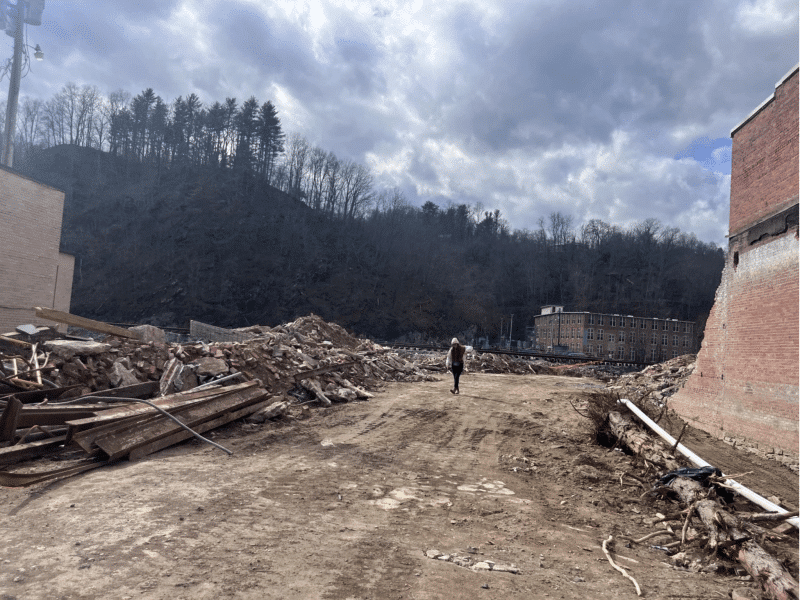
How disaster reporting hit home for two Appalachian journalists after Helene
Disaster journalism is vital, but can be traumatizing for both journalists and sources. We can make it better by treating disaster survivors — and ourselves — with more humanity.