
Cover Los Angeles ICE raids and resulting protests without the protest paradigm
Breaking down examples of coverage focused on immigrants and their support systems, not just on the concept of unrest.
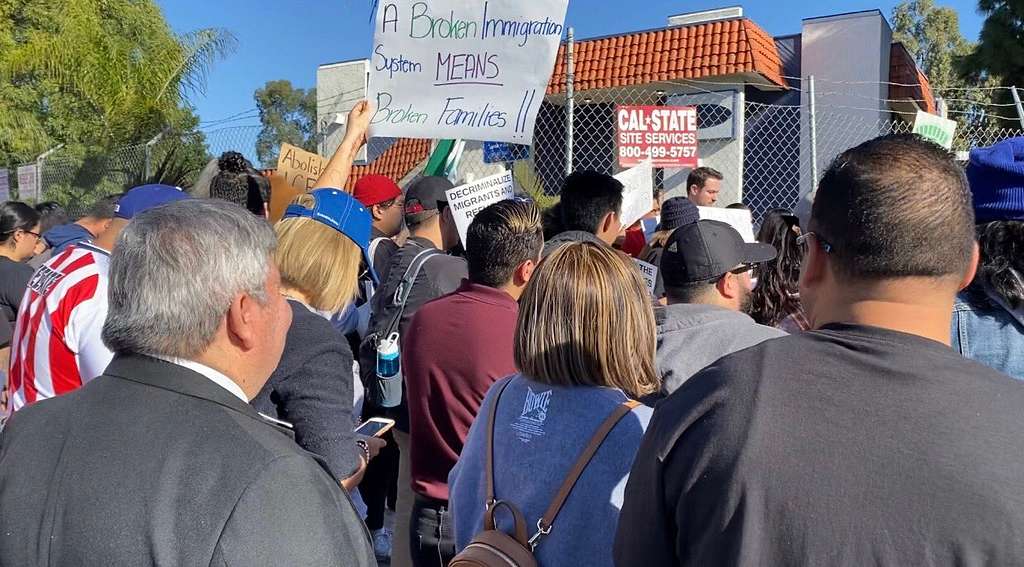
Angelenos have been protesting downtown for a week straight after Immigration and Customs Enforcement (ICE) agents raided — and continue to patrol — southern California for undocumented immigrants. Many of the demonstrations were peaceful, with people primarily waving signs and flags as police officers plowed into them with horses and shot at them with rubber bullets as National Guard officers deployed by President Donald Trump patrolled federal property.
Predictably, some national and large local media outlets fell right into the trap of the protest paradigm, even though LA Mayor Karen Bass herself said that the National Guard’s presence “provoke the population”. These reports overemphasize spurts of conflict and damaged property at the expense of explaining the impact on people, their grievances, and why these mass protests are happening: The nature of the ICE raids.
I understand why journalists rely on the protest paradigm to produce stories under intense time pressure. It’s a heuristics-driven formula that can effectively convey some very basic and not unimportant points: Protest big. Protest disruptive. Cops at protest.
Very rarely is that the sum of a protest. As decades of research show, the protest paradigm makes it hard for audiences to decipher why people demonstrate. It also vilifies social movements. In this instance, ICE raid coverage has created an environment ripe for disinformation as bad actors attribute old images of cars on fire to the week’s protests. The protest paradigm is even shaping the way California Governor Gavin Newsom responds: Instead of boosting resources for the families of undocumented immigrants dealing with the fallout of these raids, he’s taking cheap shots at Philly on X to point out the hypocrisy of deploying the National Guard.
All of this begs a question about who this coverage is really for: Immigrants and their support systems, or more concerned with the concept of unrest as opposed to what’s causing it? The protests are about the raids, so the focus should be on the raids — how and where they’re happening, the patterns emerging, how to keep communities safe, and how to get involved without necessarily taking to the streets.
The audience for protest coverage, after all, isn’t just the people protesting. It’s also who they’re protesting on behalf of.
What could this coverage look like when it’s not stoking fear? Here are three outlets examples of ICE protest and raid coverage that drives action:
- LA Taco’s Instagram: This hyperlocal culture-driven news outlet has always had an impeccable social media game, and its posts over the last week have been both accurate and way to confirm and analyze ICE raids. Case in point: Editor-in-chief Javier Cabral posts to the camera confirmations of where and when raids are happening as they unfold alongside grid posts enumerating ICE tactics. None of this, of course, has stopped LA Taco from posting videos of the protests with all the context in the captions, not hidden behind a call to action.
- “We take our obligation to bring you news from the street seriously,” Cabral wrote in a letter-from the editor about the emotional toll of doing this kind of documentation, “so we will always take a deep breath and head out with our cameras and phones ready to be there for our readers.”
- Los Angeles Times’ probing of the protest paradigm: LAT staffers have been updating this running fact-check on the ICE raids and protests, which does an excellent job of refuting rumors that all of LA has descended into riots, adding historical context, legal testimony, and notes from experts to contextualize on-the-ground reporting. They’ve also unpacked how the term “riot” is not just inaccurate, but also a loaded legal term and a racist dog whistle. Beyond that, pairing fact-checks of the protests with fact-checks of the ICE raids makes clear how important it is to get things right: Fear was rampant after a false rumor circulated that ICE raided a school graduation.
- LA Public Press’s laser focus on the raids: LAPP has largely been covering the protest on social media, a smart decision to meet audiences where they’re at that has also freed reporters up to do incisive reporting on the ramifications of ICE raids. Among that coverage: Sales in the Fashion District are dropping after a raid that targeted undocumented textile workers. Some undocumented immigrants have all but stopped going to the doctor after Trump authorized ICE agents to enter hospitals. To quote that one guy from The Bachelorette, this is how you “keep the main thing the main thing.”
Beatrice Forman is a Philadelphia-based reporter who also writes a biweekly column focused on pro-democracy reporting for The Objective’s newsletter, The Front Page. She previously worked as the coordinator for Democracy Day.
Editor’s note: The Objective’s co-director Gabe Schneider works with for LA Public Press. Schneider did not review the content of this article before publication.
This piece was edited by James Salanga.
We depend on your donation. Yes, you...
With your small-dollar donation, we pay our writers, our fact checkers, our insurance broker, our web host, and a ton of other services we need to keep the lights on.
But we need your help. We can’t pay our writers what we believe their stories should be worth and we can’t afford to pay ourselves a full-time salary. Not because we don’t want to, but because we still need a lot more support to turn The Objective into a sustainable newsroom.
We don’t want to rely on advertising to make our stories happen — we want our work to be driven by readers like you validating the stories we publish are worth the effort we spend on them.
Consider supporting our work with a tax-deductable donation.

James Salanga,
Editorial Director
Related Articles
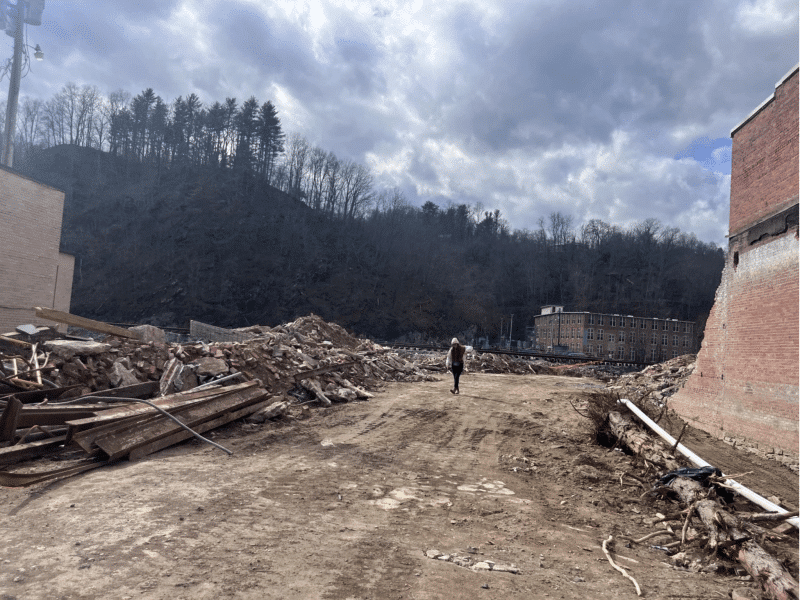
How disaster reporting hit home for two Appalachian journalists after Helene
Disaster journalism is vital, but can be traumatizing for both journalists and sources. We can make it better by treating disaster survivors — and ourselves — with more humanity.
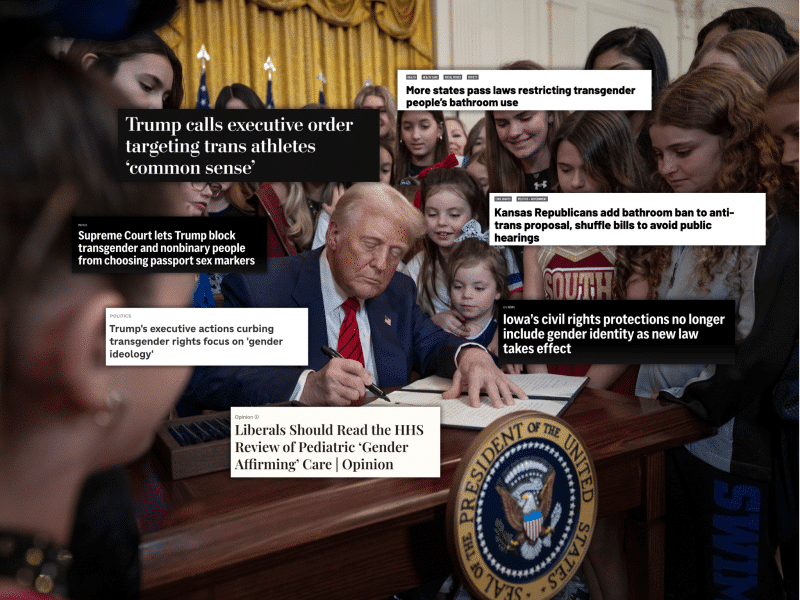
‘Almost media silence’: National, local news ignores trans Americans amid 2025’s anti-trans attacks
The failures of newsrooms to substantively cover anti-trans legislation in 2023 and 2024 have compounded over the first year of Trump’s second term in office.

The Objective’s favorite media reporting and criticism of 2025
A non-comprehensive list of The Objective’s co-directors and readers’ picks for media coverage and commentary this year.