
In passionate defense of counterprogramming
Reporting on the spaces people take solace in during times of deep economic and political woe shows what different communities value.
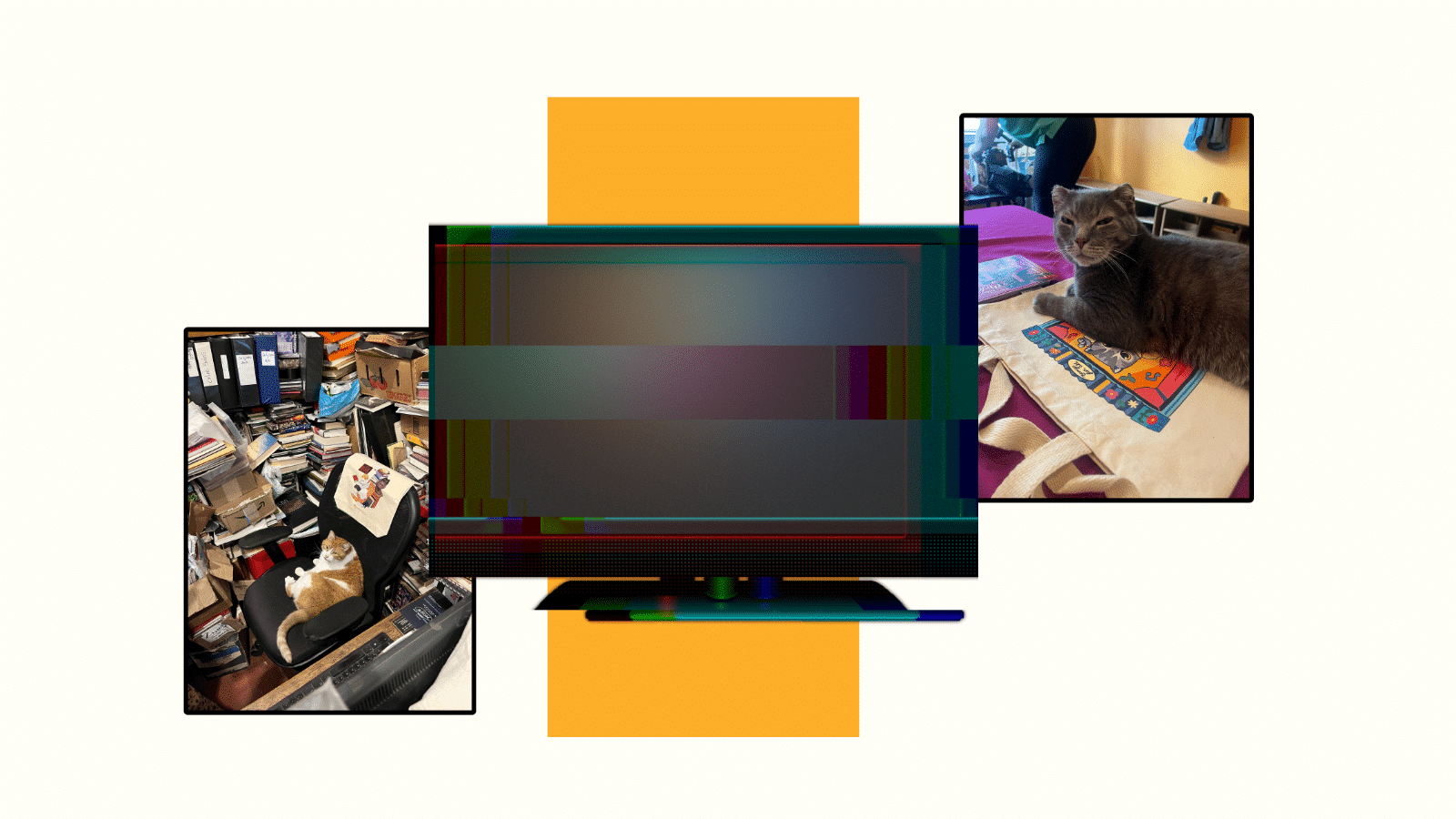
I spent over two years running a collaborative that helped newsrooms do the best reporting they could on democracy. But in my day job, I report on things that many people consider useless to democracy: celebrity look-a-like competitions, cake picnics, famous shop cats, and even festivals celebrating baldness.
In reality, covering those pockets of zany happiness is vital to democracy — especially at the local level. Why? Because they can help audiences feel better about connecting with and changing the most important civic space they exist in: their neighborhoods.
As an engagement journalist (and nosy person), I spend a lot of time lurking in the comments underneath my stories. And while most of them are positive, the refrains that frustrate me the most have always been “Why is this news?” or “Who cares?” Most of the time, those comments are left by people who live in the suburbs — not Philadelphia proper — and who use our paper’s public safety reporting as further proof that Philly is some unsafe urban dystopia beyond rehabilitation.
The attitude that counterprogramming is besides the point also permeates the journalism industry: When I recently told a Boston news editor that I loved her team’s coverage of the Somerville bike path cat mayor election, she laughed.

“That story?” she said. “It was so funny, because the world is burning and this reporter just wanted to write about cats.”
Yes, the world is burning. But sometimes you need a salve to survive the flames.
Counterprogramming is largely considered anything that isn’t the hard news story of the day — features, profiles, trend stories, upbeat service journalism. The value in these stories may be less straightforward than head-on coverage of, say, government corruption, but that doesn’t mean it isn’t there.
Reporting on the spaces people take solace in during times of deep economic and political woe is revealing: It shows what different communities value, what they miss, and — absent pre-existing spaces — where communities go to build a collective sense of belonging, or peace, or joy.
There’s a hunger for kinship in the United States. The loneliness epidemic United States Surgeon General Vivek Murthy warned of in 2023 has likely grown as the Trump administration continues to erode the trust we feel and safety we have in public spaces by militarizing major cities, targeting trans people’s right to exist, and pushing for bigger — and more invasive — immigration raids. Stories of things like cake picnics and silly guerilla festivals are fundamentally stories of community resilience, reminders of the joy that can still grow even under attack.
Counterprogramming can also help people feel pride in their own communities, something we know can be hard when the only news coming out of your neighborhood is about struggle, or trauma, or solutions that don’t yet have the investment to get off the ground. Civic pride is the basis of organizing, and knowing your neighbors can come together to sing through the Eras Tour or fundraise for a women’s sports bar might just be the encouragement some people need to start the mutual aid group or plan the protest action they’ve been thinking about.
This is not to say that hard news about tough stuff isn’t important. It’s a reminder democracy reporting is forged both in accountability and community.
To boot, here are three things I learned about how to be a better democracy reporter from building a beat around memes and youth culture:
- Everything is interconnected: A lot of the events my suburban haters laugh off as unimportant are actually directly tied to the dispiriting state of the world. Frankly, the organizers of most of these events frame them as antidotes, even if the effect is temporary. “Things have been feeling so dark and grim lately,” the organizer of Philly’s viral Bald Fest told me while referencing Philly’s public transit defunding and the fallout of a recent municipal union strike. “I’ve been telling my friends all summer that people deserve to have fun.” I heard a similar refrain from content creator Anthony Potero, who said he poured so much into stunts like the Timothee Chalamet look-a-like contest because he felt like the goal of the internet was to make people feel worse.
Journalists can work backwards from these stories to identify the structural problems events like these are trying to address, and then examine the expanse of solutions large and small to them. What’s working? What’s not working?
- Not all protests are in the streets: There’s a really big misconception that all resistance is loud and confrontational, like a protest, or a big media campaign. There are also other routes of living your values that are just as important to highlight. Case in point: When I was profiling the first shop cats in Philly to get a brand deal, I came across Talking Headz, a hair salon that specializes in doing gender-affirming haircuts, something that has become more important as other forms of gender-affirming care have become less accessible. I made sure to include this point in my reporting.
Counterprogramming is a perfect forum for highlighting smaller or more unique acts of resistance, if that’s something that is part of your beat. Talking Headz’ work may not have easily fit into any story about transgender rights, for example, but it was able to shine in a feature.
- People contain multitudes: The dad who put together Philly’s only Taylor Swift-themed choir as a way to bond with his daughter is actually a respected labor rights researcher who wanted to speak at length about what organizers can learn from Swifties about building sustained pressure and supportive spaces.
All that to say: People contain multitudes, and there is far more overlap with pop culture and politics and activism. They contextualize one another. Counterprogramming is a great way to help audiences build connections between culture and how it shapes democracy, and can even open up pathways to explore solutions in spaces that would be easy to write off as frivolous.
Beatrice Forman is a Philadelphia-based reporter who also writes a biweekly column focused on pro-democracy reporting for The Objective’s newsletter, The Front Page. She previously worked as the coordinator for Democracy Day.
This story was edited by James Salanga.
We depend on your donation. Yes, you...
With your small-dollar donation, we pay our writers, our fact checkers, our insurance broker, our web host, and a ton of other services we need to keep the lights on.
But we need your help. We can’t pay our writers what we believe their stories should be worth and we can’t afford to pay ourselves a full-time salary. Not because we don’t want to, but because we still need a lot more support to turn The Objective into a sustainable newsroom.
We don’t want to rely on advertising to make our stories happen — we want our work to be driven by readers like you validating the stories we publish are worth the effort we spend on them.
Consider supporting our work with a tax-deductable donation.

James Salanga,
Editorial Director
Related Articles
Journalists aren’t the only ones sharing the news, and that’s a good thing
A new framework from Journalism + Design Lab invites newsrooms to build on the abundance, diversity, and momentum already in our communities to strengthen local news.
The Black press has always faced an inequitable funding landscape. Its future can’t be the same
Looking to historical models can provide some clarity and inspiration in an environment once again hostile to funding Black journalists and the Black press.
It’s healthy for student journalists to raise concerns about AI
Generative AI isn’t a real solution to the issues facing newsrooms. Students are right to point that out.