Author

Lewis Raven Wallace

Lewis's Latest Articles

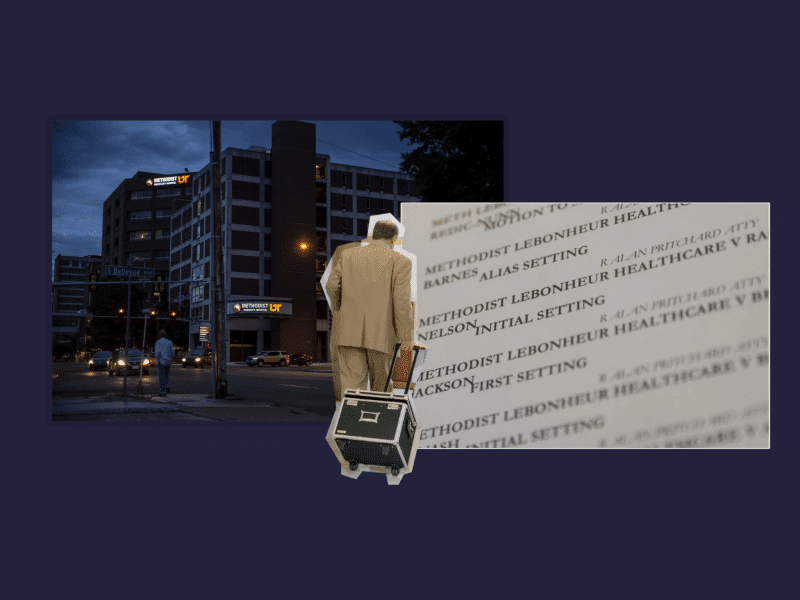
A collage of five images placed atop a faded, yellowed newspaper background. A scattered image of a turned-off iPhone sits center and is surrounded by four images: a block of hashtags stating #MeToo, with the central #MeToo bolded for emphasis; a photo of graffiti at Black Lives Matter Plaza that states “not enough!”; a sticker that reads Trans Rights Are Human Rights; and a negative of a sticker on a stop sign that reads Defund The Police #BlackLivesMatter.
Movement journalism can transform narratives

When we accept that we are powerless, we foreclose our own radical potential. Stories can change that.
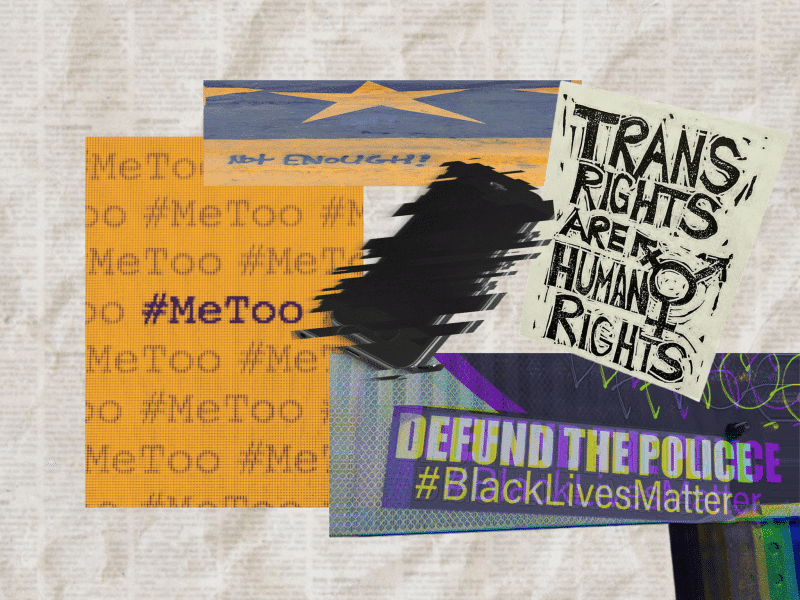
A collage of photos on a navy blue background. From left to right: The Methodist Le Bonheur hospital in Memphis at night. A cut-out of attorney R. Alan Pritchard, a balding white man, facing away from the camera and walking away with a rolling case of files. A photo of the docket of cases focused on Methodist Le Bonheur Healthcare v. an array of plaintiffs alleging the hospital charged them medical debt.
How does a story go from ‘spreading awareness’ to making concrete change?

Movement journalism needs a theory of change in order to affect policy and practice.

Next to a flooded area, a yellow crane truck picks up debris caused by Hurricane Helene.
Meeting community information needs can build community power

How movement journalism develops local networks of trust and connection, even before disaster strikes.

Black mothers and their children pack a restaurant, smiling and posing for the camera.
Make it make sense: movement media as political education

Even when our stories herald bad news, they can also include context and analysis that helps people make meaning of the story and figure out our role in responding.
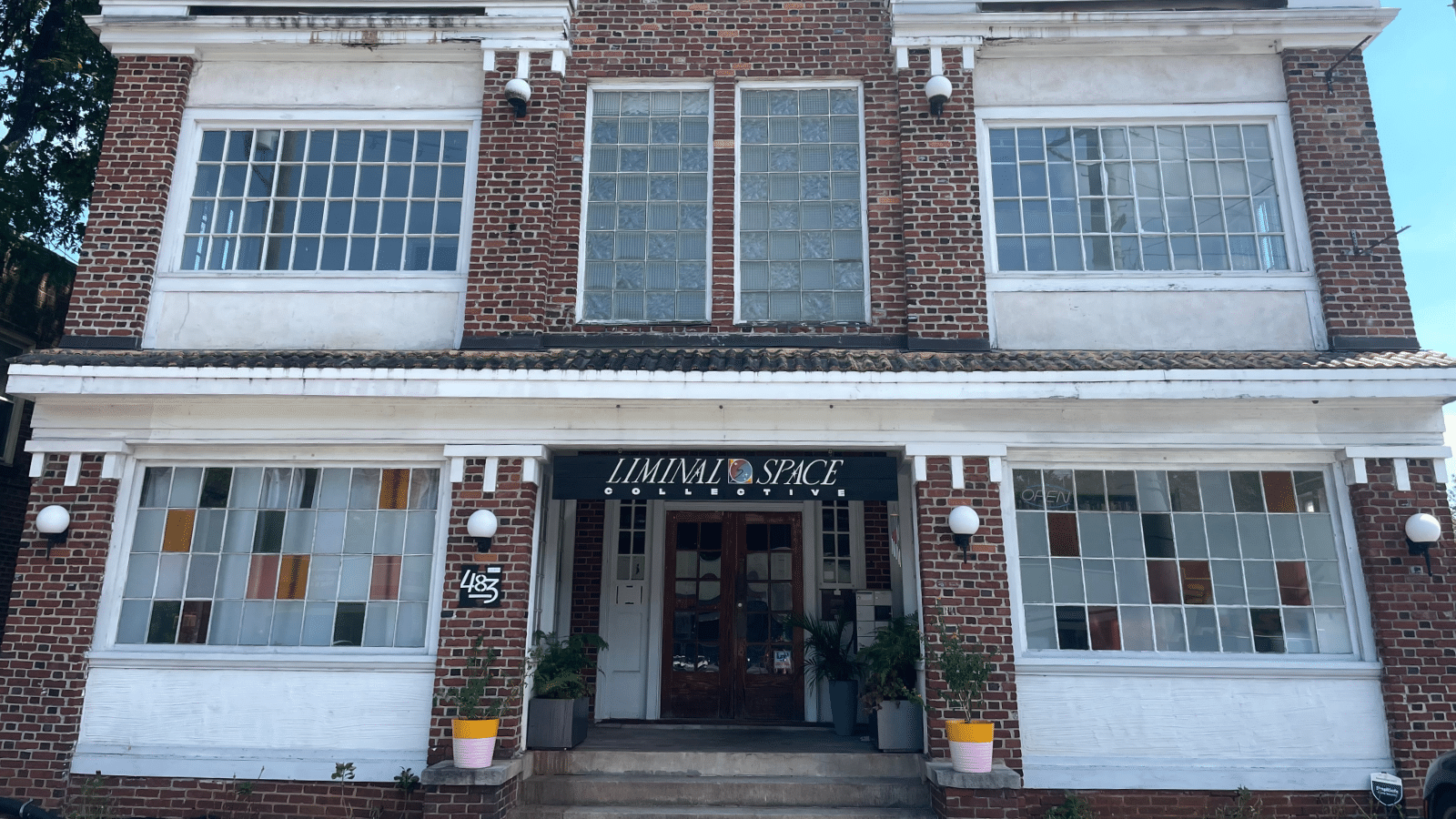
The facade of Liminal Space Collective, which is housed in a brick building with some colorful window panels.
We can resist the robots

Movement journalists don’t attempt to connect to people in order to sell to them, but view this connection as a mission unto itself.
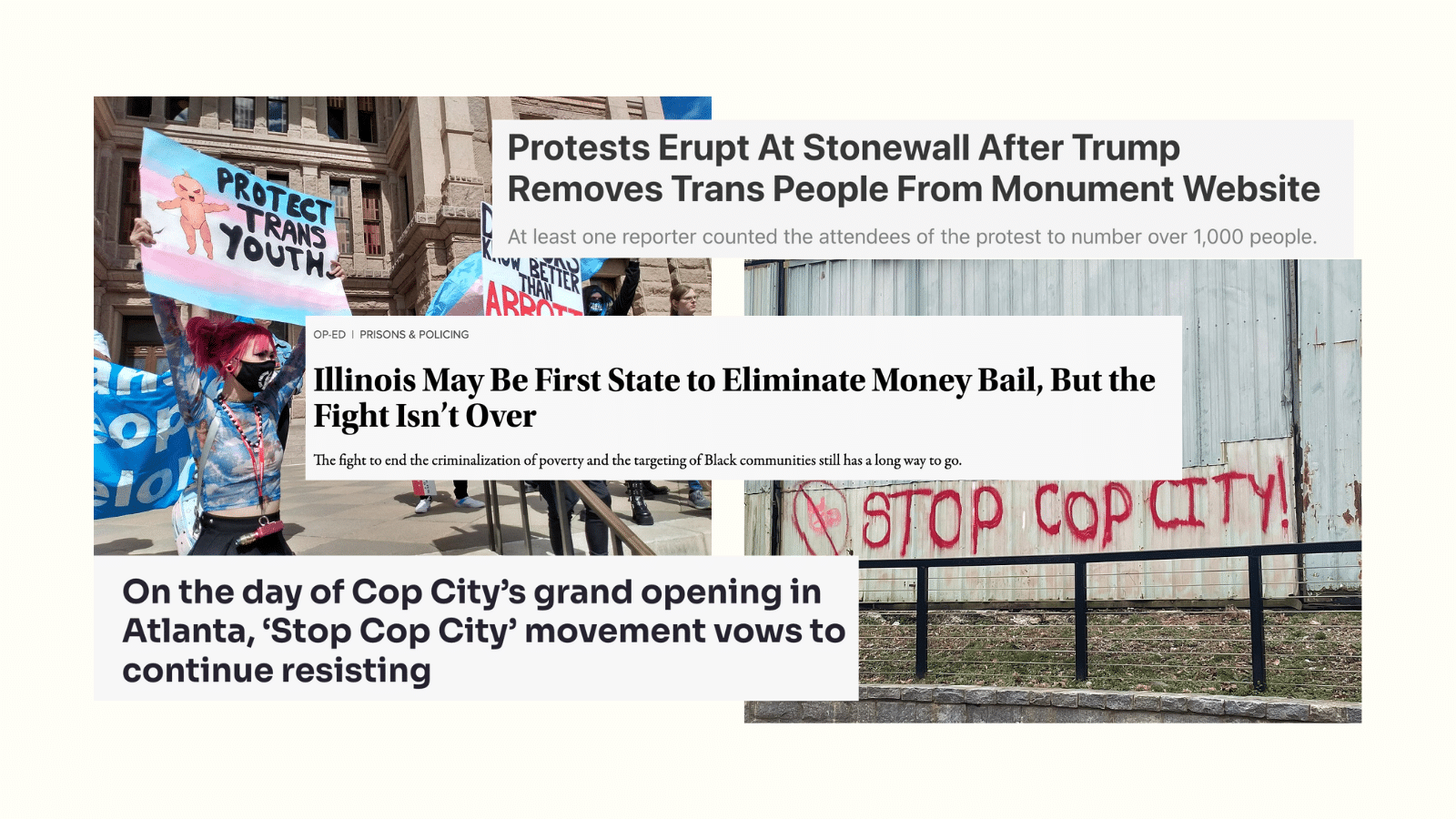
Three headlines cover two photos. The photo on the left is of two protesters holding up photos at a 2022 March for Trans Kids. A white person with a mask, pink hair in a ponytail, and a blue long-sleeved shirt holds up a sign painted with the trans flag, an angry baby doll, and the saying Protect Trans Youth. The photo on the right is red graffiti with a drawing of a pig crossed out and "Stop Cop City!" next to it.
Stories are an ‘arrow in a quiver’

How movement journalists share strategy and inspire action.
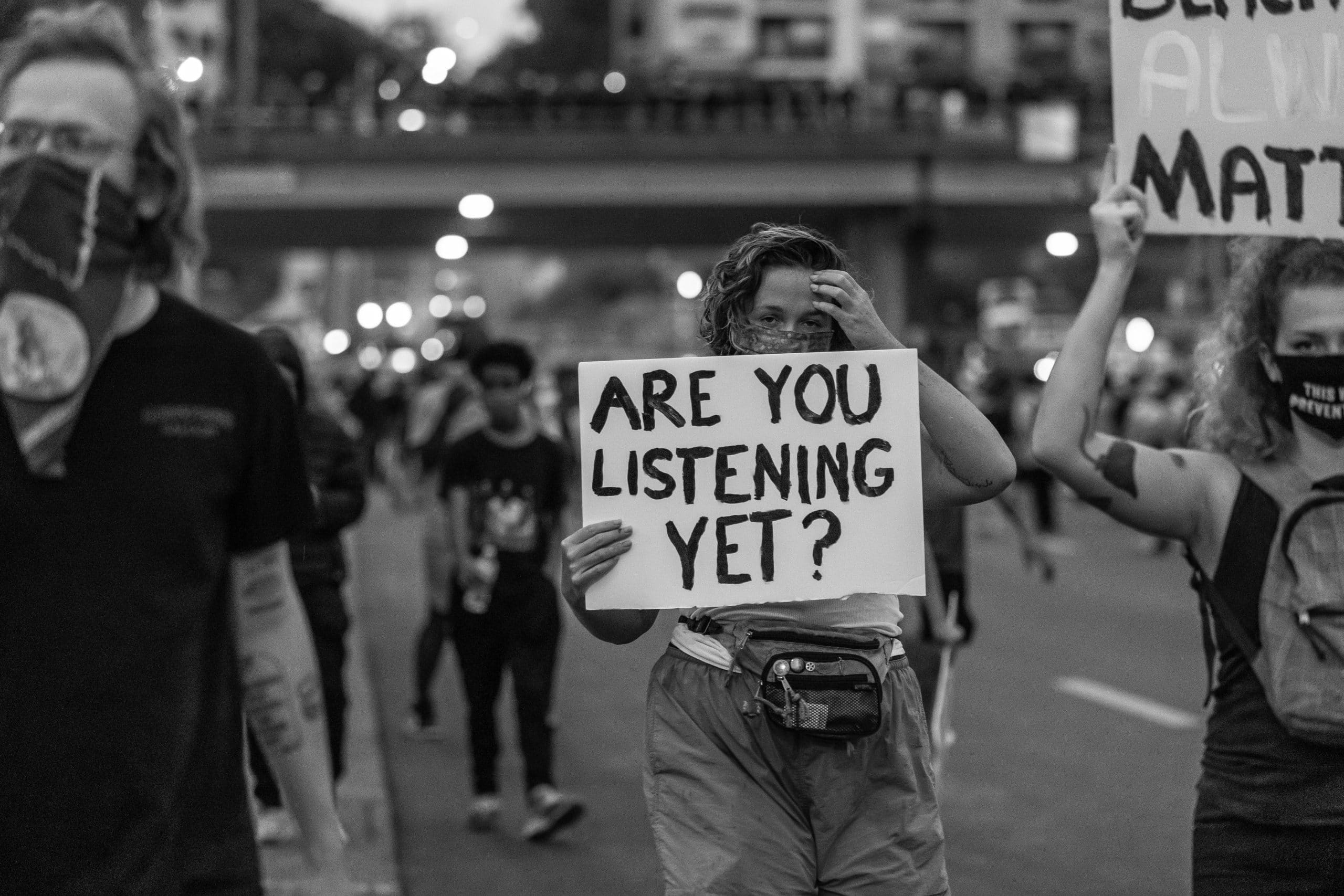
A grayscale photo of a group of masked protesters holding up signs; the foremost says "Are You Listening Yet?"
A focus on the process, not just product: Healing through hearing

Even when we can’t offer justice, movement journalism can offer healing or catharsis. We’re not just responsible for our stories, but for the ways in which we listen, for the space we create in the process.
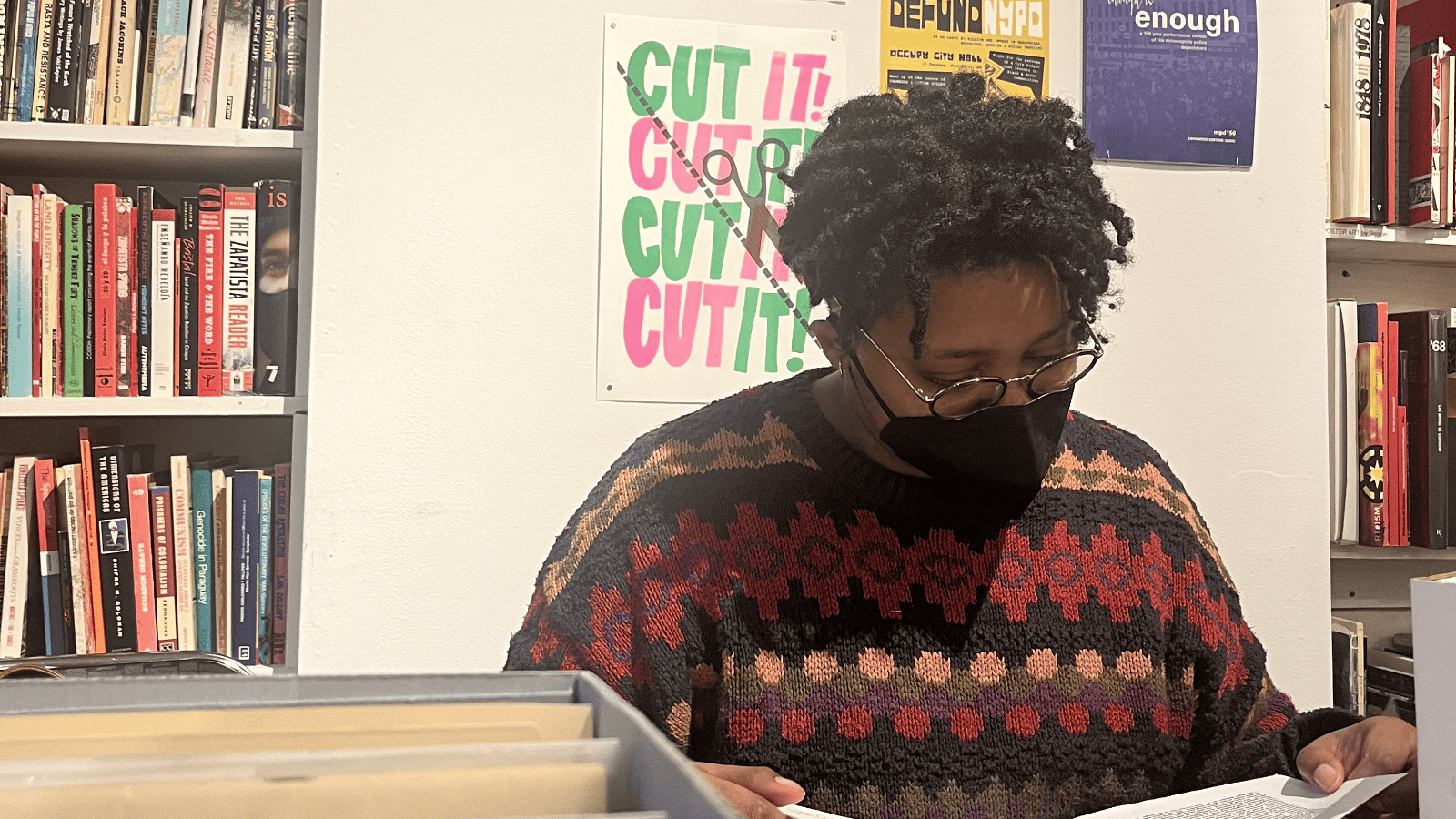
A masked Black person with short twists and glasses pores over records at a library.
‘No act of journalism … is too small’: Creating necessary archives

The threat to our stories of liberation and justice is real and ongoing. But through archiving, even if we lose our fights, the next generations have a shot at learning what we attempted and how.
A fist icon punches a glitched-out newspaper icon. An orange pow bubble without the word sits behind the hit.
This moment shows why movement journalism matters

Movement journalism's purpose zero: Challenging fascism and authoritarianism by fighting disinformation.

Two members of the Palestinian press traverse and evaluate the rubble of several buildings left behind by Israeli airstrikes.
Why journalists must speak out about Gaza

Attacks on journalism and media are dangerous to us all.