
Thinking beyond ‘DEI’ to make equitable media
Andrea D. Wenzel on reimagining an equitable, cooperative, and sustainable local media system amid overlapping crises.
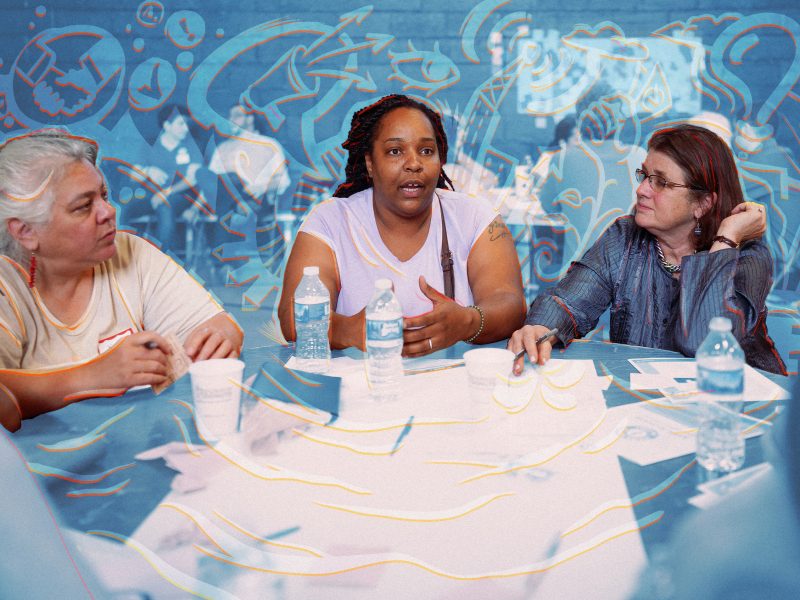
Andrea D. Wenzel on reimagining an equitable, cooperative, and sustainable local media system amid overlapping crises.
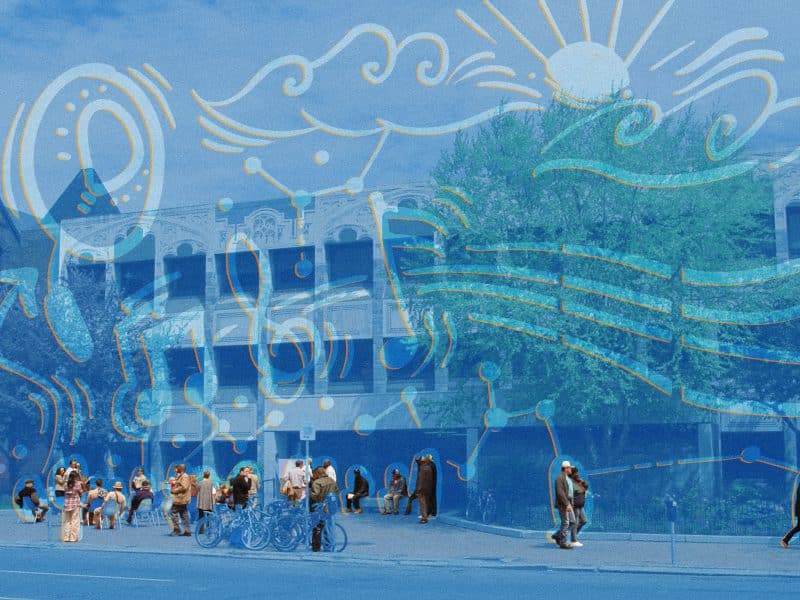
Jennie Rose Halperin on the need to invest in underexplored partnerships between civic media makers and libraries as a clear place of change.

Carla Murphy on how expecting college students to “fill the gap” in local news without addressing institutional power may reify inequities.
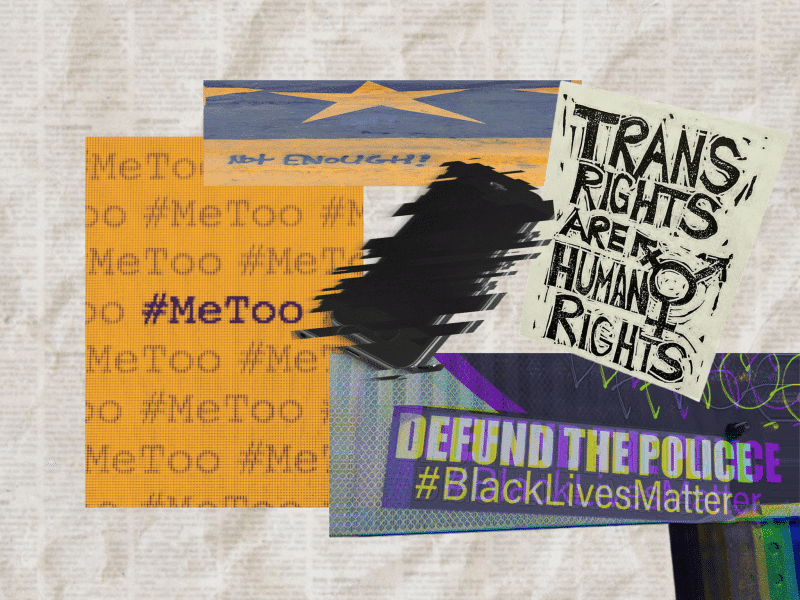
When we accept that we are powerless, we foreclose our own radical potential. Stories can change that.
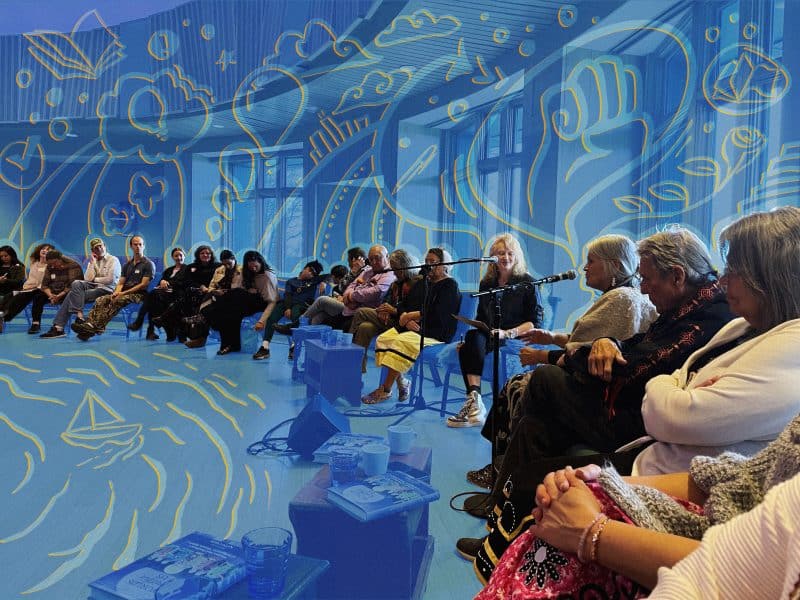
Jennifer Brandel on the civic potential of journalism that reorients toward the land.
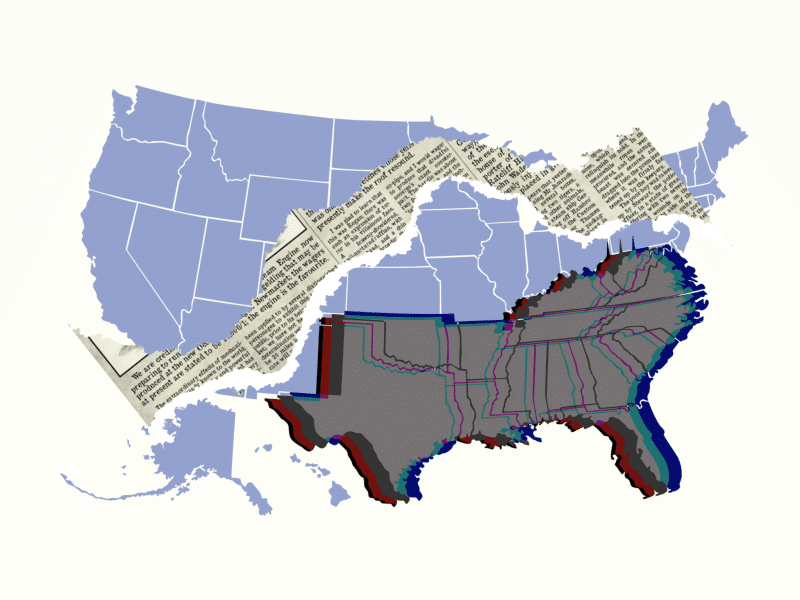
Oral histories from Southern journalists and authors about the news industry’s geographical bias.
As efforts to increase newsroom diversity grind to a halt or are reversed, marginalized journalists face new obstacles amid industry cutbacks and right-wing pressure.

Between fandoms and youth activists, people don’t take teenage girls seriously — but Teen Vogue did.

Introducing the digital version of the Civic Media Magazine: The stories here show what’s possible when we reimagine local news not just as something to consume, but as a tool for community action.
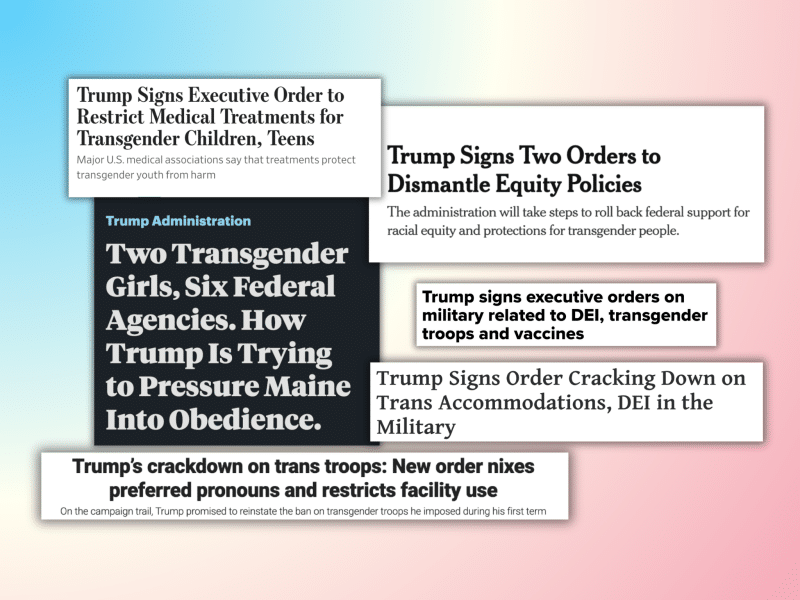
If a source argued that someone doesn’t exist and they do, we would take a picture of that person and run it at the top of the article. So why aren’t journalists quoting trans people about executive orders that challenge our existence?