Commentary

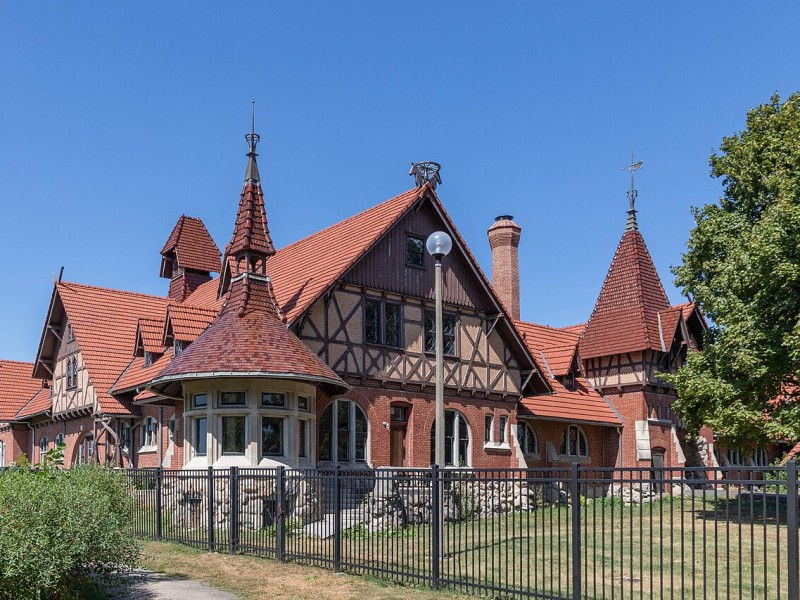
A photo of the National Museum of Puerto Rican Arts & Culture, formerly the Humboldt Park Staples and Receptory.

How to ensure reporting on ICE goes beyond focusing on citizenship status

Framing ICE coverage as a mere immigration issue may no longer meet the needs of the communities you cover, especially as many have weathered the fallout of raids, a new detention center, or surveillance tactics.
Latest in Commentary
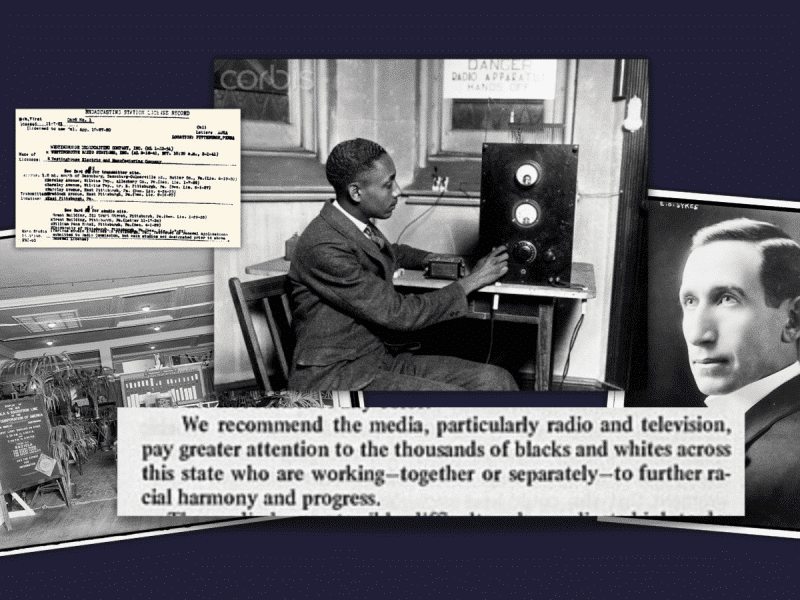
Collage of photos. From left to right: An early Federal Communications Commission licensing card given to KDKA; early Radio Corporation of America speaker; Rufus P. Turner at his radio; excerpt of Kerner Commission report; Eugene Sykes.
Reckoning with the Federal Communications Commission’s history of structural racism

Since the agency’s inception, FCC policies have undermined the 14th Amendment rights of Black people and Black communities.

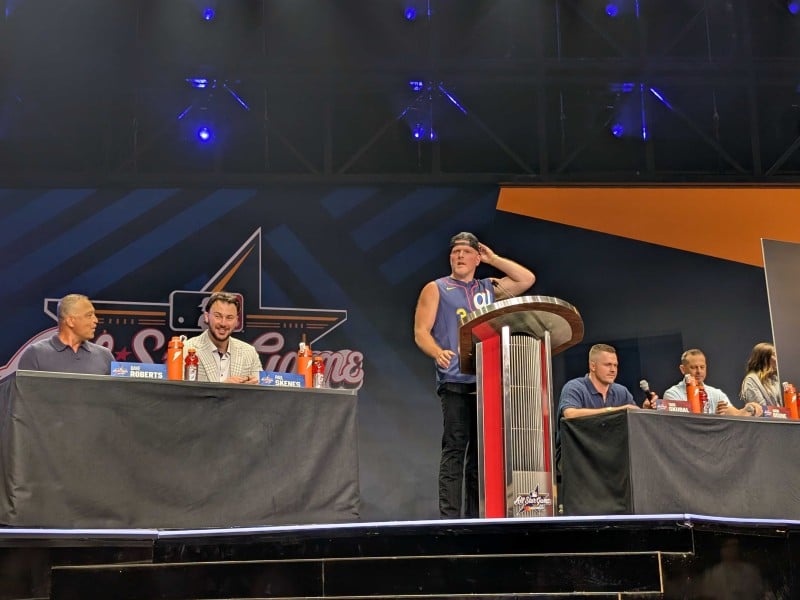
From left to right: Dave Roberts, Paul Skenes, Pat McAfee, Tarik Skubal, and Aaron Boone on the press conference stage at All-Star media day in Atlanta.
A “Jim Crow” law made MLB leave Atlanta. Sports reporters should’ve asked why they went back.

Journalism’s hesitance to reckon with sports' political context is exemplified by incomplete coverage of the All-Star Game’s return to Atlanta, where a voter suppression law that prompted the game’s leaving in 2021 has since been worsened by local politicians and legacy media.

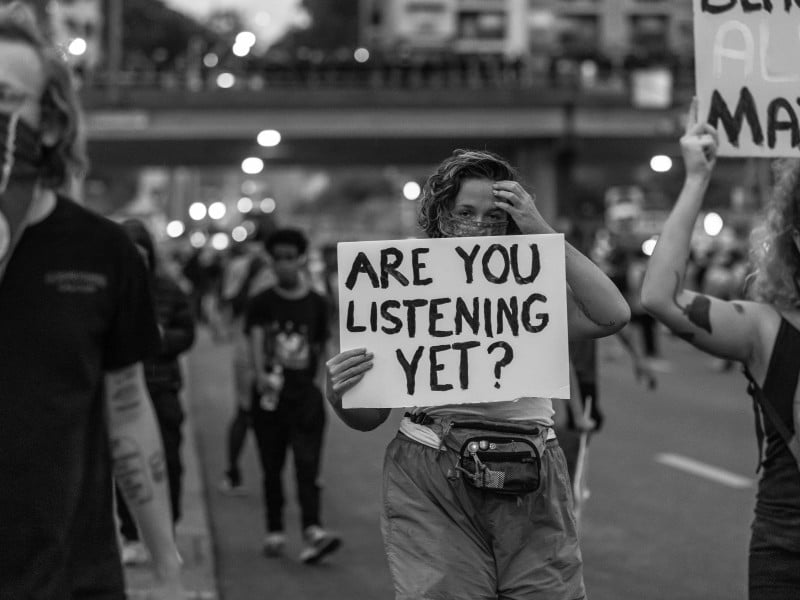
A grayscale photo of a group of masked protesters holding up signs; the foremost says "Are You Listening Yet?"
A focus on the process, not just product: Healing through hearing

Even when we can’t offer justice, movement journalism can offer healing or catharsis. We’re not just responsible for our stories, but for the ways in which we listen, for the space we create in the process.

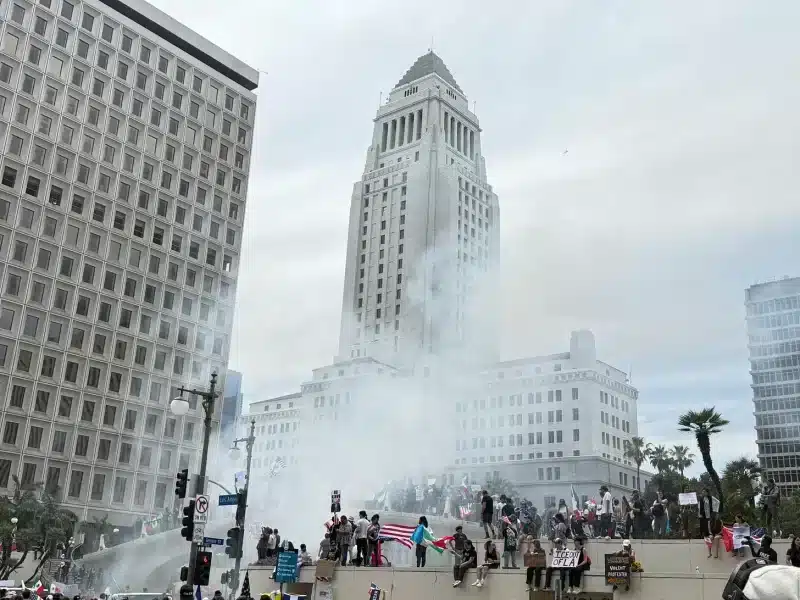
A crowd gathers around Los Angeles City Hall as smoke rises from the tires of a driver performing donuts in front of the building.
Journalistic objectivity at the protest

Leaving the notebook at home after 16 years at newspapers.

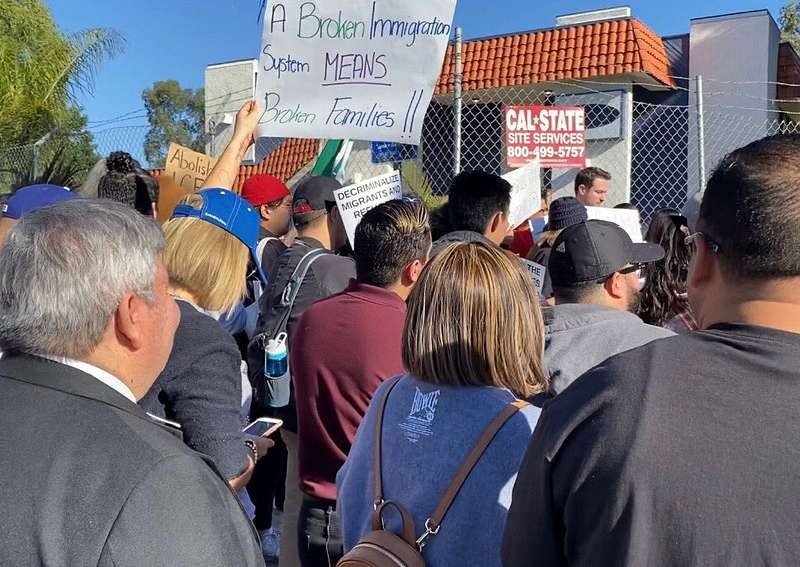
A crowd of people gathers to protest outside a new ICE detention facility in Arleta. One person holds a poster saying "A broken immigration system means broken families."
Cover Los Angeles ICE raids and resulting protests without the protest paradigm

Breaking down examples of coverage focused on immigrants and their support systems, not just on the concept of unrest.

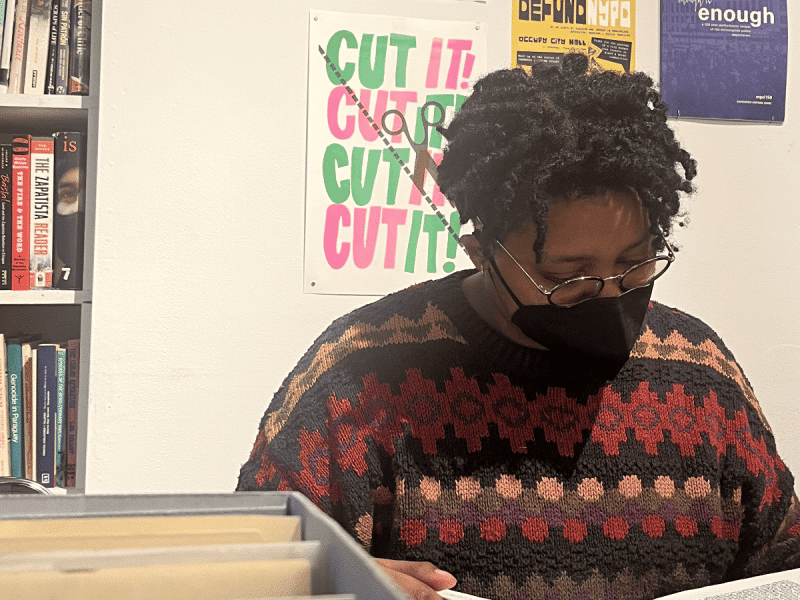
A masked Black person with short twists and glasses pores over records at a library.
‘No act of journalism … is too small’: Creating necessary archives

The threat to our stories of liberation and justice is real and ongoing. But through archiving, even if we lose our fights, the next generations have a shot at learning what we attempted and how.

A fist icon punches a glitched-out newspaper icon. An orange pow bubble without the word sits behind the hit.
This moment shows why movement journalism matters

Movement journalism's purpose zero: Challenging fascism and authoritarianism by fighting disinformation.

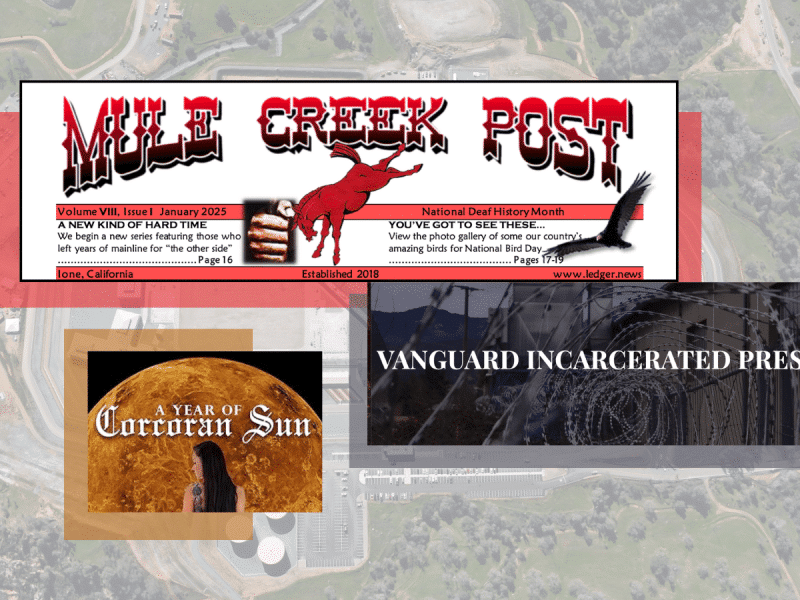
Screenshots of three different prison publications (from top to bottom) — the Mule Creek Post, Vanguard Incarcerated Press, and A Year of Corcoran Sun — overlaid over Corcoran Prison, a California state prison.
Will prison journalism save democracy?

From subversive spaces, prison journalists build muscles of resistance and perhaps a sort of tolerance against the repressive nature of opposing forces.

A newsstand that serves the information needs of Black communities

The multimedia exhibition — “Black Futures Newsstand Presents: Riot to Repair Soundscape Exhibition” — showcases work reflecting on the historic events that took place five years ago and imagines the kind of reparative narrative ecosystem needed to serve the health and well-being of Black people and Black communities.