
Movement journalism can transform narratives
When we accept that we are powerless, we foreclose our own radical potential. Stories can change that.
A column by Lewis Raven Wallace outlining the ten primary purposes of movement journalism as a draft theory of change.

When we accept that we are powerless, we foreclose our own radical potential. Stories can change that.

Movement journalism needs a theory of change in order to affect policy and practice.

How movement journalism develops local networks of trust and connection, even before disaster strikes.

Even when our stories herald bad news, they can also include context and analysis that helps people make meaning of the story and figure out our role in responding.

Movement journalists don’t attempt to connect to people in order to sell to them, but view this connection as a mission unto itself.
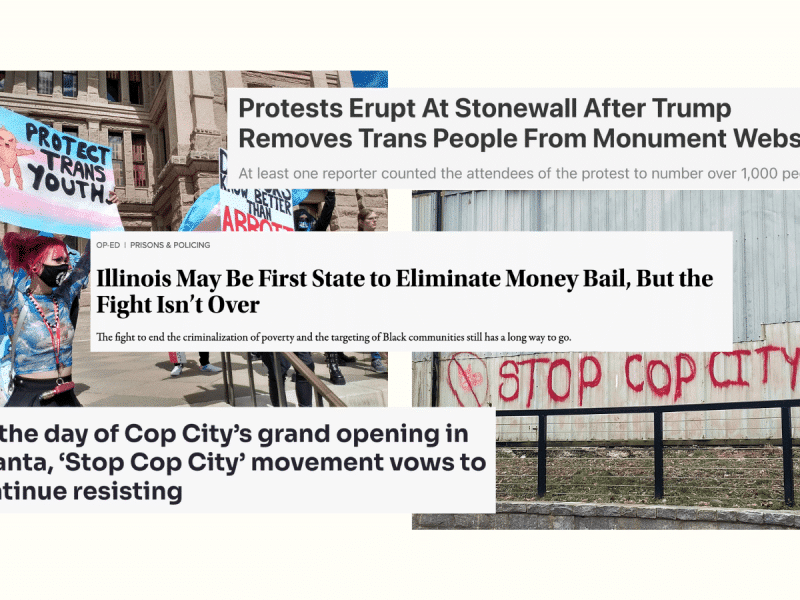
How movement journalists share strategy and inspire action.
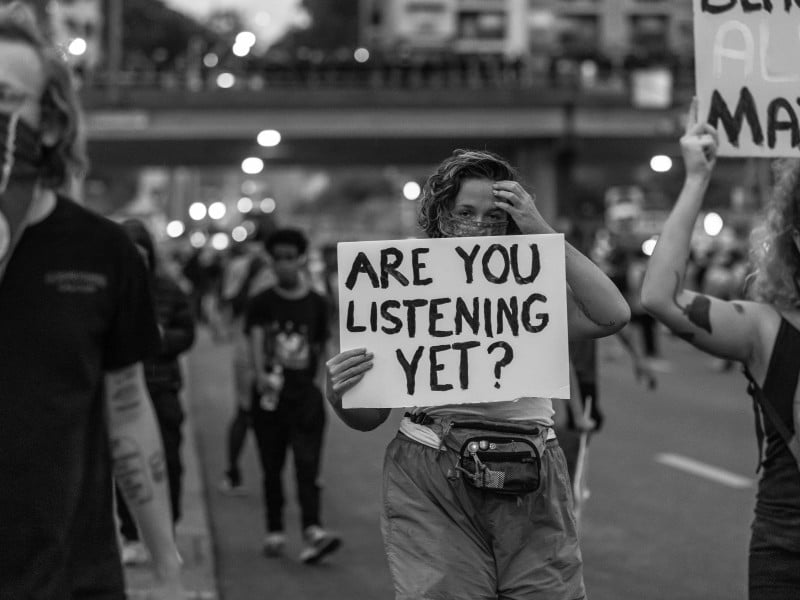
Even when we can’t offer justice, movement journalism can offer healing or catharsis. We’re not just responsible for our stories, but for the ways in which we listen, for the space we create in the process.
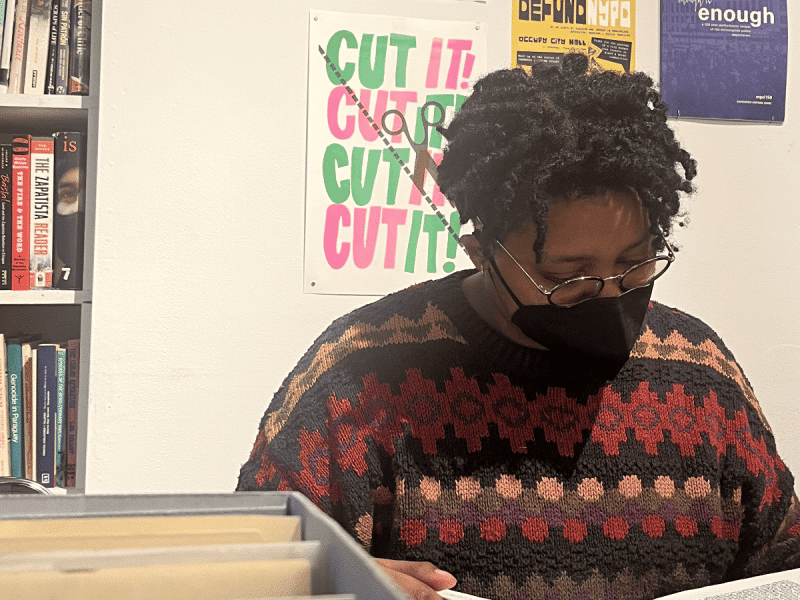
The threat to our stories of liberation and justice is real and ongoing. But through archiving, even if we lose our fights, the next generations have a shot at learning what we attempted and how.

Movement journalism's purpose zero: Challenging fascism and authoritarianism by fighting disinformation.