
Billionaire newspaper owners prompt deluge of unsubscribers
The decision to not endorse at the LA Times and Washington Post reflects the perilous situation at virtually every major mainstream newsroom: billionaire owners decide without worker input.
This story also appears in our newsletter, The Front Page, which examines systems of power and inequity in media. Subscribe here.
Two editorial boards of major news newsrooms — the Los Angeles Times and The Washington Post — are not endorsing a candidate for this year’s presidential election. These outlets represent some of the biggest institutions who are declining to endorse this year.
Owners at the Times and the Post have argued that presidential editorials in their current state are contrary to letting fact-based reporting stand on its own. But the decision to not endorse reflects the perilous situation at virtually every major mainstream newsroom: billionaire owners decide (without the opinions of their workers) that there should be no editorials, prompting resignations and massive subscriber losses.
Journalists scrambled to respond to the decisions: The Los Angeles Times Guild Council urged readers not to unsubscribe. The Post Guild asked readers to send a letter to Washington Post CEO and publisher Will Lewis urging him to reconsider an endorsement.
“We are deeply concerned that The Washington Post — an American news institution in the nation’s capital — would make the decision to no longer endorse presidential candidates, especially a mere 11 days ahead of an immensely consequential election,” Post Guild members wrote. “The role of an Editorial Board is to do just this: to share opinions on the news impacting our society and culture and endorse candidates to help guide readers.”
Still, in the wake of the decisions, resignations from boards followed and people unsubscribed in droves. The Post, in particular, took a sizable hit — around 10% of its revenue was lost, with over 250,000 readers unsubscribing after the saga of the non-endorsement followed by billionaire owner Jeff Bezos publishing an op-ed aiming to further elucidate the decision. Former editor Marty Baron decried the non-endorsement, saying it leaves “democracy as its casualty.”
And the Times’ former 400,000 subscribers also shrank. Per the story reporter James Rainey wrote, more than 7,000 readers dropped their subscriptions, though Semafor reports the number closer to 18,000.
Matt Pearce, the president of the Media Guild of the West, penned a piece arguing the same: “The financial hit is paradoxically only more certain to undercut, rather than promote, journalistic independence in both these newsrooms,” he said.
But in the long run, he urged more people to “support industrial policies to support healthier marketplaces for journalism so that billionaires, hedge funds and malign foreign governments aren’t the only entities with enough money to own newsrooms.”
Gannett, the largest newspaper chain in the U.S., quietly reneged on all presidential endorsements last year. Chief content officer Kristin Roberts told investors this week the decision to be a “facts-forward, down-the-center survey of our nation” was in service of Gannett’s commitment to “becoming the leading digital news and content destination in America.”
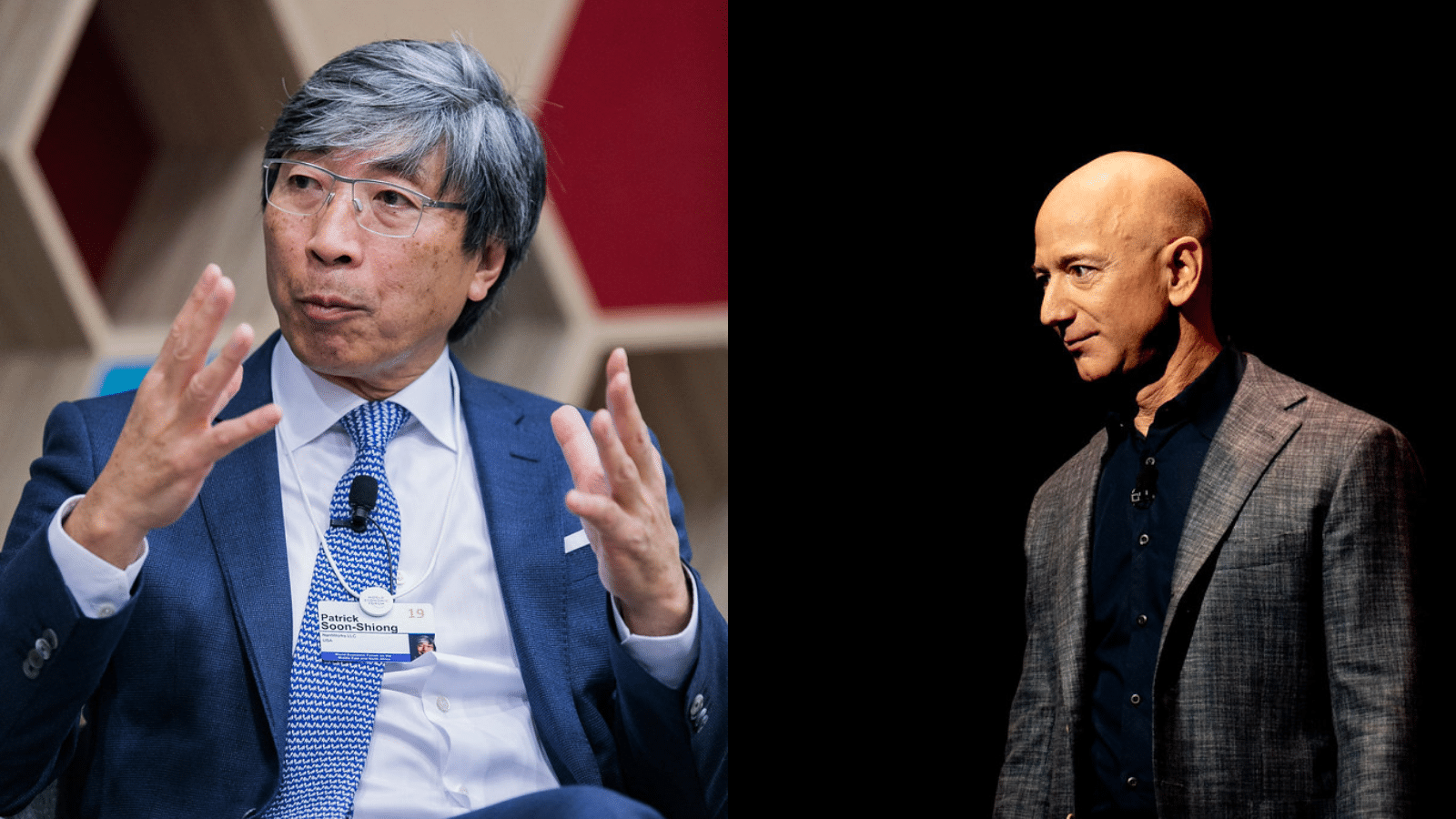
Meanwhile, owner interference from Bezos at the Post and Patrick Soon-Shiong at the Times belies a broader pattern of vulnerability across newsrooms: ownership concentrated in the hands of the most wealthy, whether it be billionaire families or hedge funds. As media consolidation continues, the leeway to unilaterally impose decisions and impinge on journalistic independence will be even more lopsided toward ownership’s whims.
While other papers like The New York Times continue to make presidential endorsements — largely in favor of Democratic candidate Kamala Harris — industry watchdog organization Free Press wrote their own endorsement: “Save journalism from the billionaires.”
This piece was edited by Gabe Schneider.
James Salanga is the co-director of The Objective and the podcast producer at The Sick Times.
We depend on your donation. Yes, you...
With your small-dollar donation, we pay our writers, our fact checkers, our insurance broker, our web host, and a ton of other services we need to keep the lights on.
But we need your help. We can’t pay our writers what we believe their stories should be worth and we can’t afford to pay ourselves a full-time salary. Not because we don’t want to, but because we still need a lot more support to turn The Objective into a sustainable newsroom.
We don’t want to rely on advertising to make our stories happen — we want our work to be driven by readers like you validating the stories we publish are worth the effort we spend on them.
Consider supporting our work with a tax-deductable donation.

James Salanga,
Editorial Director
Related Articles

The Knight Foundation scrubs DEI section from its ‘About’ page
One of the biggest funders of nonprofit journalism in the U.S. no longer publicly lists an explicit section about “diversity, equity, and inclusion” on its mission page.
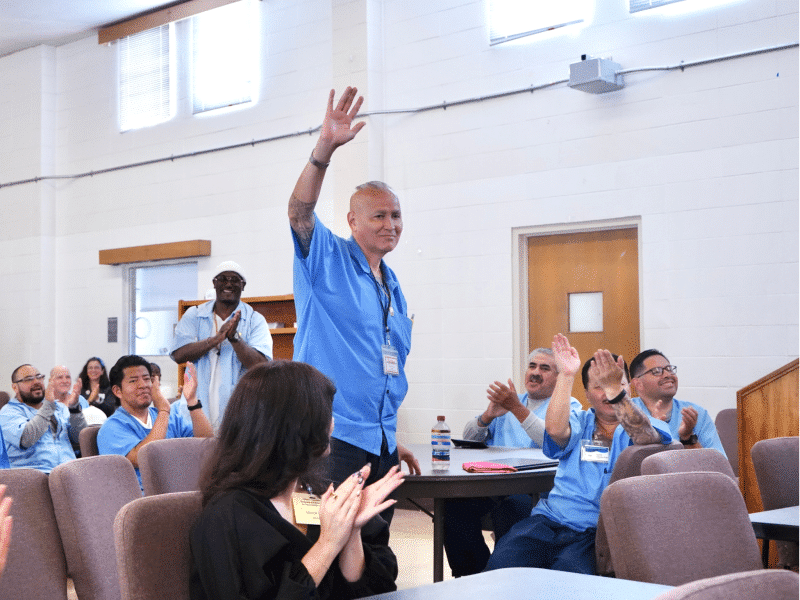
The resurrected American Penal Press Contest honors incarcerated journalists
2025 saw the revival of the historic journalism awards, once called the Pulitzers of prison newsrooms, after a 35-year hiatus.

Do newsrooms need a memeologist?
In the age of meme-slop and digital newsrooms shuttering, internet culture reporters say mainstream media is ill-equipped to cover not just trends, but a radicalization that doesn’t look how it used to.