Reporting on ICE killings follows a long history of normalizing state violence
Mainstream coverage of Renee Good, Alex Pretti, and Keith Porter’s killings shows how anti-Black news standards desensitize communities to state violence.
The almost 50-year-old publication was a lifeline for chronically ill readers.
National resources to cover queer and trans news are shrinking as the number of anti-trans bills being considered across the U.S. in 2026 outpaces last year.
As corporate media instability and “pivot to video” shift the landscape of culture reporting, new worker-run food publications like Ravenous feed cravings for long-form writing.
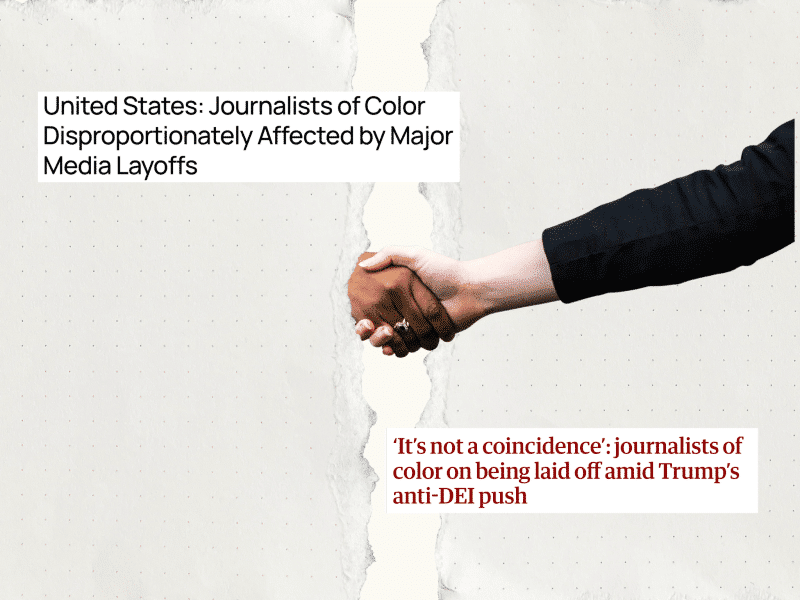
Black journalists have been especially impacted by broader industry shifts like layoffs, consolidation, and the targeting of diversity, equity, and inclusion, raising concerns about editorial independence, public accountability, and the future of local journalism in majority-Black cities like Baltimore.
ProPublica’s unionized workers are holding a one-day strike over generative AI protections, wage increases, and standards around layoffs. They’ve been negotiating for a contract for over 2 years.
As the Hawaiian Islands grapple with rising natural disaster and a news desert prognosis, a wave of community-stewarded projects centering Native Hawaiians and their values is trying to shift the culture of journalism on the islands.
The Fort Worth Reporters Guild voted 11-1 to unionize, and will begin working with management on collective bargaining for a contract.
Journalism professor Anita Varma on her forthcoming book, Solidarity in Journalism: How Ethical Reporting Fights for Social Justice, the limits of the advocacy vs. journalism conversation, and more.
The Baltimore Sun ”once again disparaged … human reporters and their work” by publishing two AI-generated political analyses, the newspaper’s union said.