
This moment shows why movement journalism matters
Movement journalism’s purpose zero: Challenging fascism and authoritarianism by fighting disinformation.

This piece is part of the column series ‘The Case for Movement Journalism‘. Read other column installments here.
What we have been witnessing in Palestine, where the Israeli military has killed at least 232 journalists since late 2023, increasingly haunts us here in the U.S. Journalists and academics who speak in solidarity with Palestinians and uplift their work are censored and targeted — most recently, even deportation is on the table as a consequence of speaking out. Journalists who may have considered themselves mainstream or “traditional” are being targeted. More will follow.
Movement media matters now more than ever, as a persistent antidote and fearless response to the onslaught of disinformation and mealy-mouthed lies dominating our news discourse. Distinct from mainstream media, Press On defines movement journalism as journalism in the service of liberation: It creates evidence-based reporting that challenges racism, transphobia, and official disinformation while seeking to make change from the grassroots up. This column series for The Objective will break down what I believe are the ten primary purposes of movement journalism — a kind of draft theory of change.
Subscribe and get each issue in your inbox
These ideas are based on my own observations in 20 years as an activist-journalist and my research into the history of activist journalism, and deeply influenced and inspired by the hundreds of people and organizations who have been doggedly building movement journalism infrastructure for years. They anticipated correctly that this infrastructure would become ever more important as our media ecosystems are polluted by corruption and disinformation.
As creators of movement media, we need a clear understanding of its purposes and functions to make smart and ethical decisions about what and how to report. This first column in my series addresses what my colleague Andrea Ritchie suggested is movement journalism’s purpose zero — to challenge fascism and authoritarianism by fighting disinformation.
Movement journalism is poised to do this because so much corporate media is baldly allied with those in power, and so much local media has been thoroughly stripped of resources. Not incidentally, fascist leaders thrive on an ill-informed public. Disinformation and reactionary right-wing organizing are more likely to take root in communities without strong information infrastructure. And we still have the daily need for news: for information and insight that helps us stay safe, make sense of the world, and take action. Increasingly, the daily diet of news is fed to the U.S. public by people whose interests align with authoritarian control.
“They don’t want people to have information,” says Neesha Powell-Ingabire, Press On’s director of popular education. “They don’t want people to have the truth. They don’t want to be held accountable.”

And yet this resistance work has deep roots. When people talk about “traditional objective journalism,” I remind them that Black, southern journalism for liberation is actually an even older tradition, with a track record of speaking truth to power.
Over decades of study and struggle, people around the world have practiced traditions of journalism now known as movement journalism. The term was coined in a 2017 Project South report — “Out of Struggle” — by Anna Simonton. Focused on the history and potential of movement journalism in the US South, that report and a 2018 movement journalism gathering at the Allied Media Conference led to the founding of Press On, the first organization I know of to use the term “movement journalism” to describe its mission.
Movement journalism is strong in this moment in part because it’s grounded in traditions of community organizing and the praxis of social change — as Powell-Ingabire says, it is “accountable to grassroots justice movements” and “rooted in building trust and long term authentic relationships with communities.”
Because most mainstream news media have abdicated from having clearly defined values — even when it comes to opposing authoritarian attacks — these news systems risk literal collapse with the rise of political leaders hostile to a free press. Movement media creators can be openly thoughtful and strategic about the goals and purposes of producing stories or assembling information; there is no performance of objectivity or capitalist incentive to act neutral, which means movement journalism can slice through disinformation with principled clarity.
Movement journalism can fill information gaps, and increasingly does so in many communities that have long been ignored or maligned by corporate news. The options range from national online outlets like Prism and Truthout, to local coverage like MLK50: Justice Through Journalism in Memphis or Deceleration in South Texas, to podcasts and radio shows like Translash with Imara Jones, or KPFA’s Law and Disorder with Cat Brooks.
Other organizations provide political education and teach journalism skills to community members: the Kansas City Defender this year launched a Freedom School for Black youth, Mainline in Atlanta created a movement media training series, Shift Press in Houston teaches young people to tell stories about power, and Migrant Roots Media trains its contributors in root cause analysis when covering migration.
In addition to interrupting disinformation, information and narrative work are key to creating a political culture oriented towards liberatory solutions. Marginalized communities have long known that we need to tell our own stories, which is why there are so many activist journalists in prisons, in queer communities, in Black communities, and in the South and the Global South.
Movement journalists are also creating structures for solidarity and activist communications. A group of movement journalism outlets called the Movement Media Alliance has organized publishers in solidarity with Palestine, and Press On offers funding, training, and relationship-building for movement journalists. The organization where I work, Interrupting Criminalization, gathers abolitionist journalists and media makers to strategize about how to respond to escalating criminalization in our coverage and our own lives. We also advocate for an end to “copaganda” in news media, from thoughtless coverage of police violence to contextless stories on militarism and the War on Drugs.
While these groundbreaking local and national organizations are aiming to revamp people’s relationship to the news, movement media also takes forms that might not be immediately recognized as journalism. Think of the neighborhood networks communicating about suspected ICE raids and organizing community defense; think of the story circles and amateur photographers in our families; think of the street corner poets.
“Memory workers, storytellers, all types of people who are making media are learning more about movement journalism and really embracing the values of movement journalism,” Powell-Ingabire, from Press On, said. A movement journalist can look like a young person with a camera phone at a protest, or a local story-gatherer keeping a blog.
In the next installment, we will explore what I believe is a core purpose of movement journalism: creating an archive so that people in the future know we existed and resisted.
Lewis Raven Wallace is the Abolition Journalism Fellow at Interrupting Criminalization and the author of The View From Somewhere: Undoing the Myth of Journalistic Objectivity and the forthcoming title Radical Unlearning. They live in North Carolina.
This piece was edited by James Salanga.
We depend on your donation. Yes, you...
With your small-dollar donation, we pay our writers, our fact checkers, our insurance broker, our web host, and a ton of other services we need to keep the lights on.
But we need your help. We can’t pay our writers what we believe their stories should be worth and we can’t afford to pay ourselves a full-time salary. Not because we don’t want to, but because we still need a lot more support to turn The Objective into a sustainable newsroom.
We don’t want to rely on advertising to make our stories happen — we want our work to be driven by readers like you validating the stories we publish are worth the effort we spend on them.
Consider supporting our work with a tax-deductable donation.

James Salanga,
Editorial Director
Related Articles
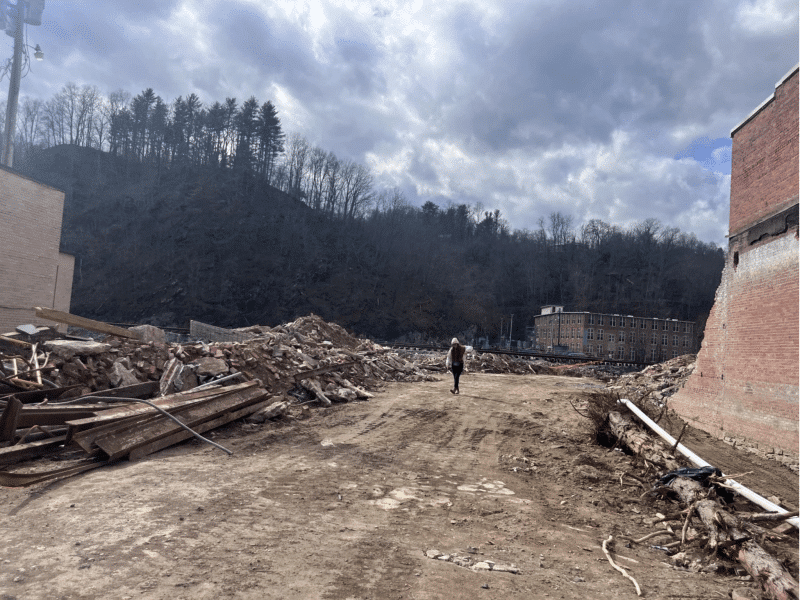
How disaster reporting hit home for two Appalachian journalists after Helene
Disaster journalism is vital, but can be traumatizing for both journalists and sources. We can make it better by treating disaster survivors — and ourselves — with more humanity.
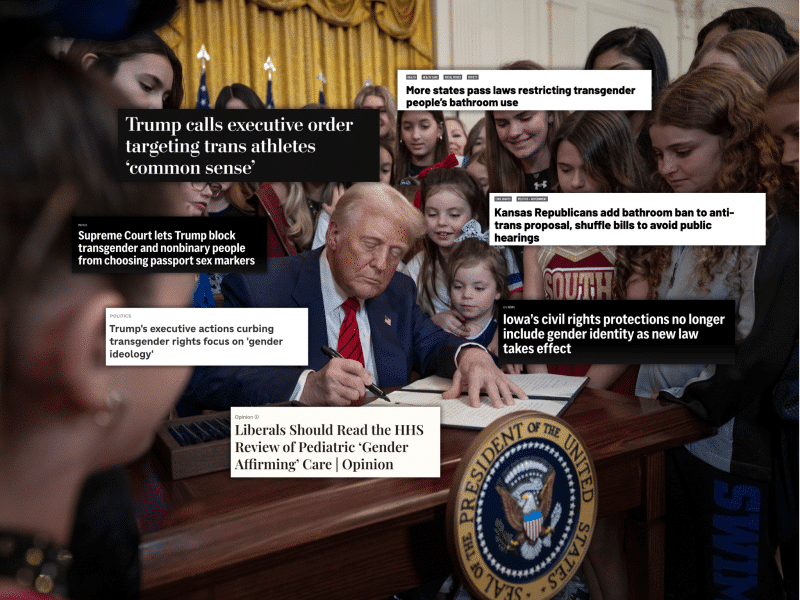
‘Almost media silence’: National, local news ignores trans Americans amid 2025’s anti-trans attacks
The failures of newsrooms to substantively cover anti-trans legislation in 2023 and 2024 have compounded over the first year of Trump’s second term in office.
The Objective’s favorite media reporting and criticism of 2025
A non-comprehensive list of The Objective’s co-directors and readers’ picks for media coverage and commentary this year.