
Workers at nation’s largest investigative newsroom, ProPublica, go on strike
ProPublica’s unionized workers are holding a one-day strike over generative AI protections, wage increases, and standards around layoffs. They’ve been negotiating for a contract for over 2 years.
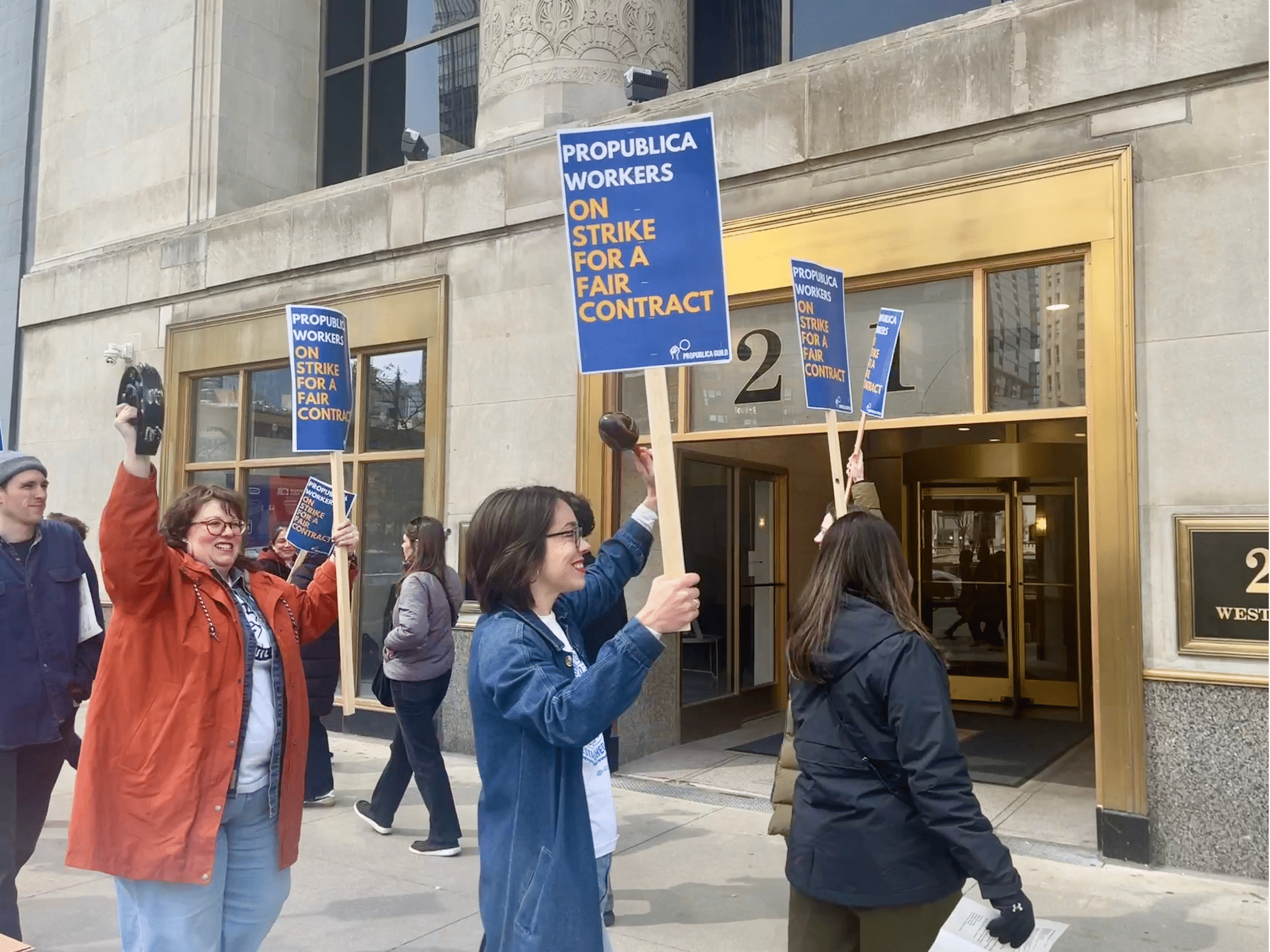
After years of unionization efforts and conversations with management, staff at ProPublica still don’t have a contract.
Now, they’re going on strike.
Last month, over 92% of union members — of the 99% participating in the election — voted in favor of authorizing a strike; today’s action is the first work stoppage in the U.S. called in part over guardrails around generative AI.
But ProPublica’s union workers — who span reporters, audience editors, designers, and business and communications staff — are striking over more than just generative AI use: They’re also seeking wage increases that keep up with cost of living and are fair across regional bureaus, disciplinary processes that protect against arbitrary dismissal, and seniority provisions should layoffs occur.
Workers are negotiating over what would be the ProPublica Guild’s first contract after unionizing in 2023. A contract would codify standards around wages, disciplinary procedures, and job protections, and unionized workers say it will help protect the newsroom’s mission and increasingly diverse workforce.
“Our union is essential to preserving the best parts of working at ProPublica and ensuring our values do not waver regardless of leadership changes or turbulence within the industry,” ProPublica’s Guild said in their mission statement.
The union is calling for respect of a digital picket line on April 8 for 24 hours — no visiting ProPublica’s site, social media, or any stories published through other platforms. They’re also picketing at offices in New York, Chicago, and Washington, D.C.
“We’re here together today because we really care about each other,” ProPublica reporter Jeremy Kohler, who is based in St. Louis and commuted for the Chicago picket, said from the picket line. “There’s significant gaps in pay that need to be addressed [across teams and regions] … We’re doing some really powerful journalism, and we want to be paid fairly.”
Related: The dam has finally broken for nonprofit news outlet unionization
On Monday, the Guild filed an unfair labor practice charge against ProPublica for what they termed “unilateral implementation of AI policy” beginning March 13.
“ProPublica’s management is positioning itself to be on the wrong side of history if they continue resisting our calls to agree to contract language guaranteeing worker protections and input on the topic of AI,” ProPublica Guild wrote on Tuesday. Their statement references last year’s efforts of 17 nonprofit newsroom unions, including ProPublica’s, to codify guardrails for “news not slop” informed by the language of other unionized nonprofits like Grist and CalMatters.
Those guardrails include the right to continue bargaining over generative AI implementation in newsrooms, no layoffs over such implementation, a commitment not to surveil usage of AI tools, an editorial integrity and disclosure policy around AI, and the need for union consent and compensation before striking any deals to use published work to train generative AI.
Susan DeCarava, president of the NewsGuild of New York, told The Objective the one-day strike is about “sending a strong statement to management.”
“We are not going away until we get this contract,” she said of the guild, which has not yet announced future strike actions after the April 8 strike ends.
The Objective reached out to ProPublica management for comment and will update the story if they reply.
In a statement to The Wrap, a spokesperson for ProPublica said the company has never had layoffs and that it was “too soon to know exactly how AI will affect our work.”
“Rather than make promises we can’t responsibly keep, we are exploring how these technologies can create more space for investigative reporting and thinking deeply and creatively, not less,” they said.
While it was not a major component of the statement the guild launched with in 2023, generative AI protections has become a crucial part of the negotiations — in part because ProPublica since became one of the many newsrooms involved in some way with OpenAI since the company launched ChatGPT in November 2022. Last year, ProPublica joined the Lenfest Institute AI Collaborative and Fellowship Program, selected for a project to “explore using an AI-powered system to help its engagement team categorize and route investigative news tip submissions.”
The strike over generative AI comes at a time when other newsroom unions, like those at Politico, McClatchy-owned publications, and the New York Times, have also found generative AI tools and policy a flashpoint in labor disputes and bargaining. As of April 2025, OpenAI has signed content-sharing deals with over 20 news publishers and 160 outlets — but the company’s founder, Sam Altman, has faced persistent doubts about his direction for the company and AI safety, and research increasingly shows the multiple environmental impacts of data centers powering large-language models like ChatGPT.
“I think it’s a real concern, as AI becomes a more powerful tool, that we make sure that our work is being produced by humans,” Kohler, who covers Missouri and the Midwest for ProPublica, said. “We’re writing for people, we’re writing about people, and this work should be done by people.”
This story is developing and will continue to be updated.
James Salanga is the co-director of The Objective.
This story was edited and copy edited by Gabe Schneider.
We depend on your donation. Yes, you...
With your small-dollar donation, we pay our writers, our fact checkers, our insurance broker, our web host, and a ton of other services we need to keep the lights on.
But we need your help. We can’t pay our writers what we believe their stories should be worth and we can’t afford to pay ourselves a full-time salary. Not because we don’t want to, but because we still need a lot more support to turn The Objective into a sustainable newsroom.
We don’t want to rely on advertising to make our stories happen — we want our work to be driven by readers like you validating the stories we publish are worth the effort we spend on them.
Consider supporting our work with a tax-deductable donation.

James Salanga,
Editorial Director
Related Articles
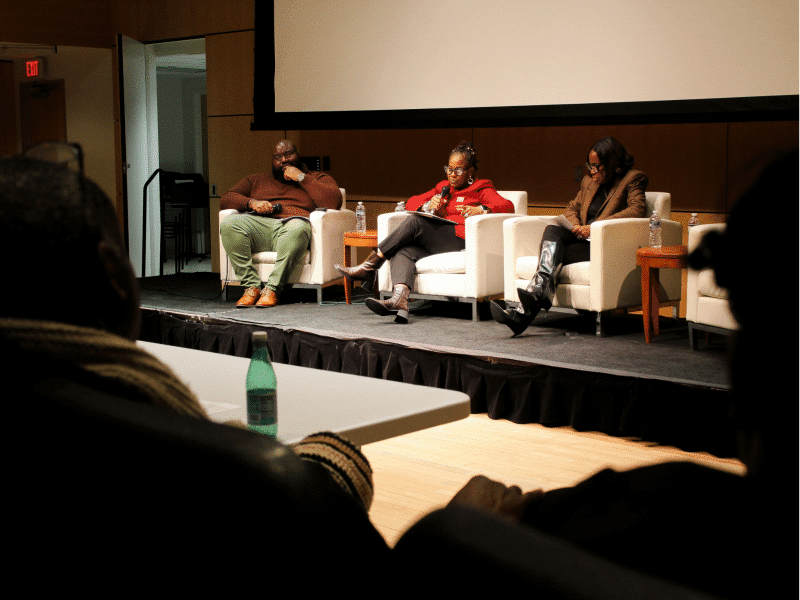
Black journalists at Baltimore CBS station call for accountability over alleged discrimination
Black journalists have been especially impacted by broader industry shifts like layoffs, consolidation, and the targeting of diversity, equity, and inclusion, raising concerns about editorial independence, public accountability, and the future of local journalism in majority-Black cities like Baltimore.
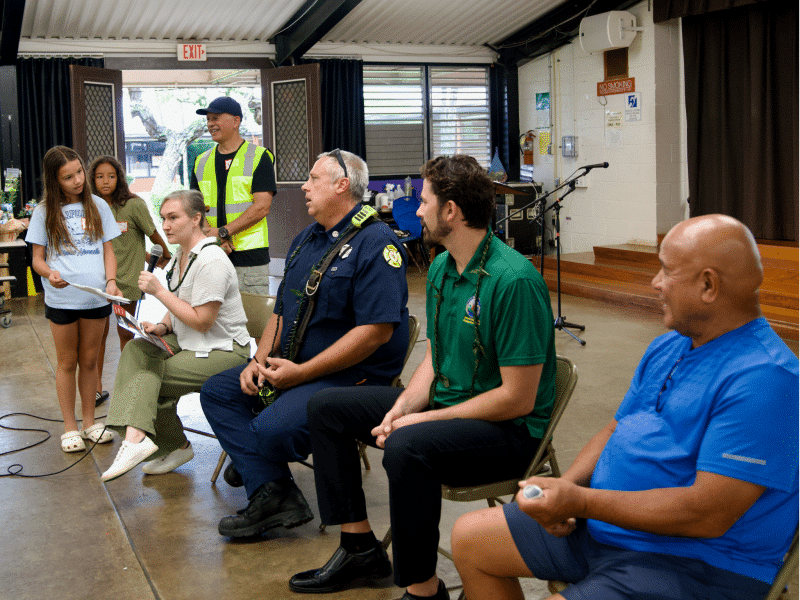
Native Hawaiians, new newsrooms work to shift journalism norms in Hawai’i after legacy media exclusion
As the Hawaiian Islands grapple with rising natural disaster and a news desert prognosis, a wave of community-stewarded projects centering Native Hawaiians and their values is trying to shift the culture of journalism on the islands.
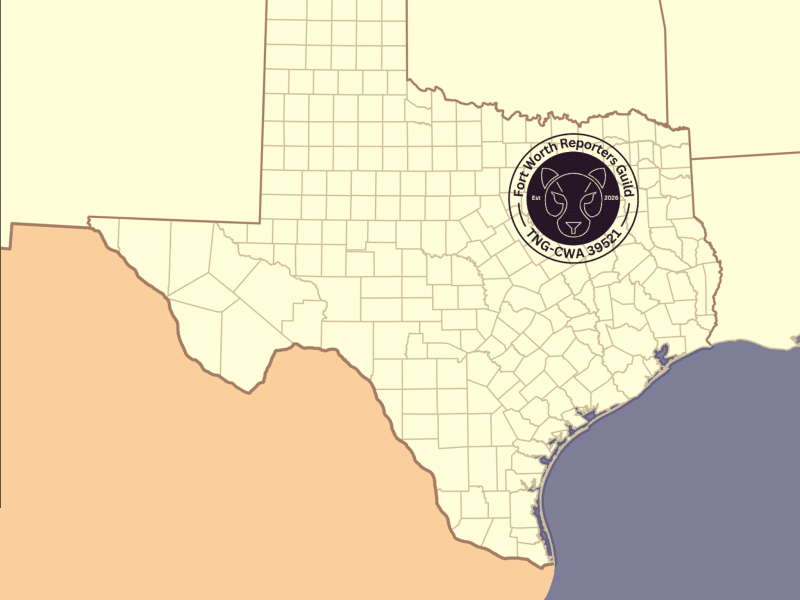
Fort Worth Report becomes Texas’s sixth unionized newsroom
The Fort Worth Reporters Guild voted 11-1 to unionize, and will begin working with management on collective bargaining for a contract.