
Making the environment beat general assignment reporting hurts those most at-risk from climate change
Global climate change reporting has fallen by nearly 40% since 2021. Legacy and major newsrooms contributing to that decline are stunting their capacity to hold governments accountable for their promises as extreme weather events and emissions rise.
I have a simple answer for why I became an environmental journalist: George Floyd was murdered.
It was 2020, and I had just graduated from college. After a stretch of unpaid and underpaid internships in Chicago, I found a job listing at Grist, an online climate magazine, to cover environmental justice. As newsrooms recalibrated amid a national reckoning over race, money and attention flowed toward reporting illuminating the uneven impacts of climate change and environmental issues. I was one of its beneficiaries.
Before applying, I did what I always do and scrolled through the masthead: There were no Black reporters. In a moment when newsrooms were publicly grappling with their failures around hiring and retaining Black reporters, that absence stood out. I had never covered climate before, but I applied anyway — and got the job over more than 200 candidates.
I thrived and, in a sense, so did climate and environmental reporting. I broke stories about the federal government, saw my work cited by the White House and in litigation, and watched environmental justice move from the margins toward the center of climate coverage. For the first time, many national outlets consistently paired reporting on climate with context on systemic inequality and policy failure.
Legacy newsrooms, like The Washington Post and the New York Times, also began hiring reporters specifically focused on environmental justice. Philanthropic funding poured into climate journalism, helping stand up new nonprofit outlets like Floodlight and Canary Media. Public radio stations across the country launched regional climate collaboratives, connecting environmental coverage to housing, health, and disaster recovery in frontline communities.
As one American journalist put it in a 2024 report on the state of global climate journalism, “We went from there being barely any environmental reporters in sort of a dwindling field to … everyone is hiring climate reporters.”
Just a few years later, much of that infrastructure has been dismantled, hurting the communities most affected by climate change — those I cover, report in and with, and spend my days — and pushing out reporters with the time and expertise to follow how sea‑level rise, heat, and pollution are colliding with housing, health care, and already‑fragile local democracies.
Global news coverage of climate change has fallen by almost 40% since 2021, even as emissions and extreme weather have continued to climb.
CBS News now has zero dedicated climate reporters. The Washington Post has cut its climate team by 75%. Other outlets, from the Associated Press to NPR, have scaled back or eliminated roles focused on justice within the environmental beat. The job that propelled my career no longer exists at Grist.
Environmental justice reporting holds governments accountable for responding to climate change
In July, I spent about an hour on the phone with Esther Calhoun, a 63‑year‑old born and raised in rural Alabama who is surviving on about $1,300 a month. She lives in a state and region where tech companies are building energy‑hungry data centers and industrial infrastructure, driving up local electricity demand without a corresponding investment in efficiency or bill assistance. She now spends more than a quarter of her monthly income on just keeping her lights on. “Being poor right now feels like being stuck in hell,” she told me.
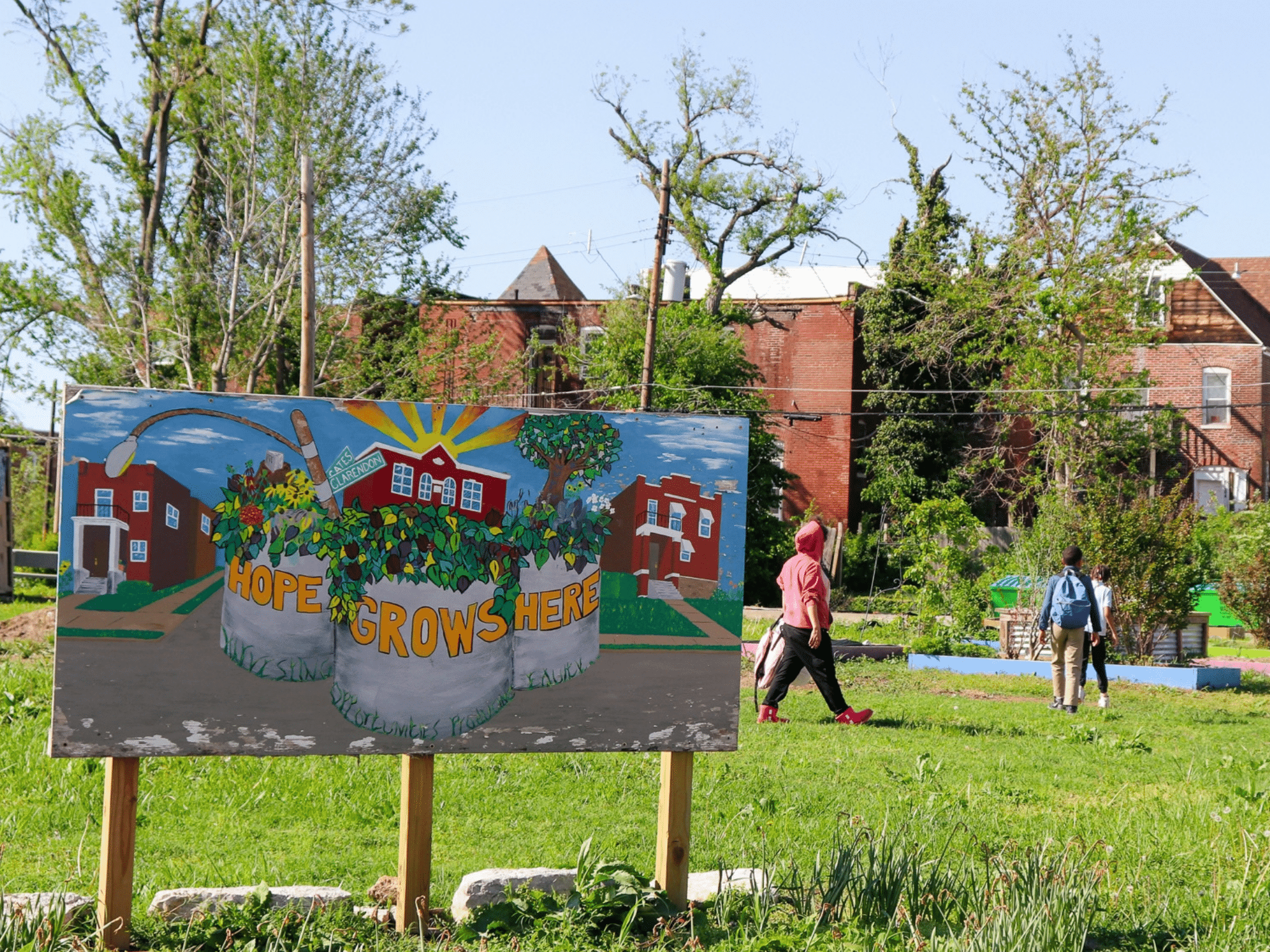
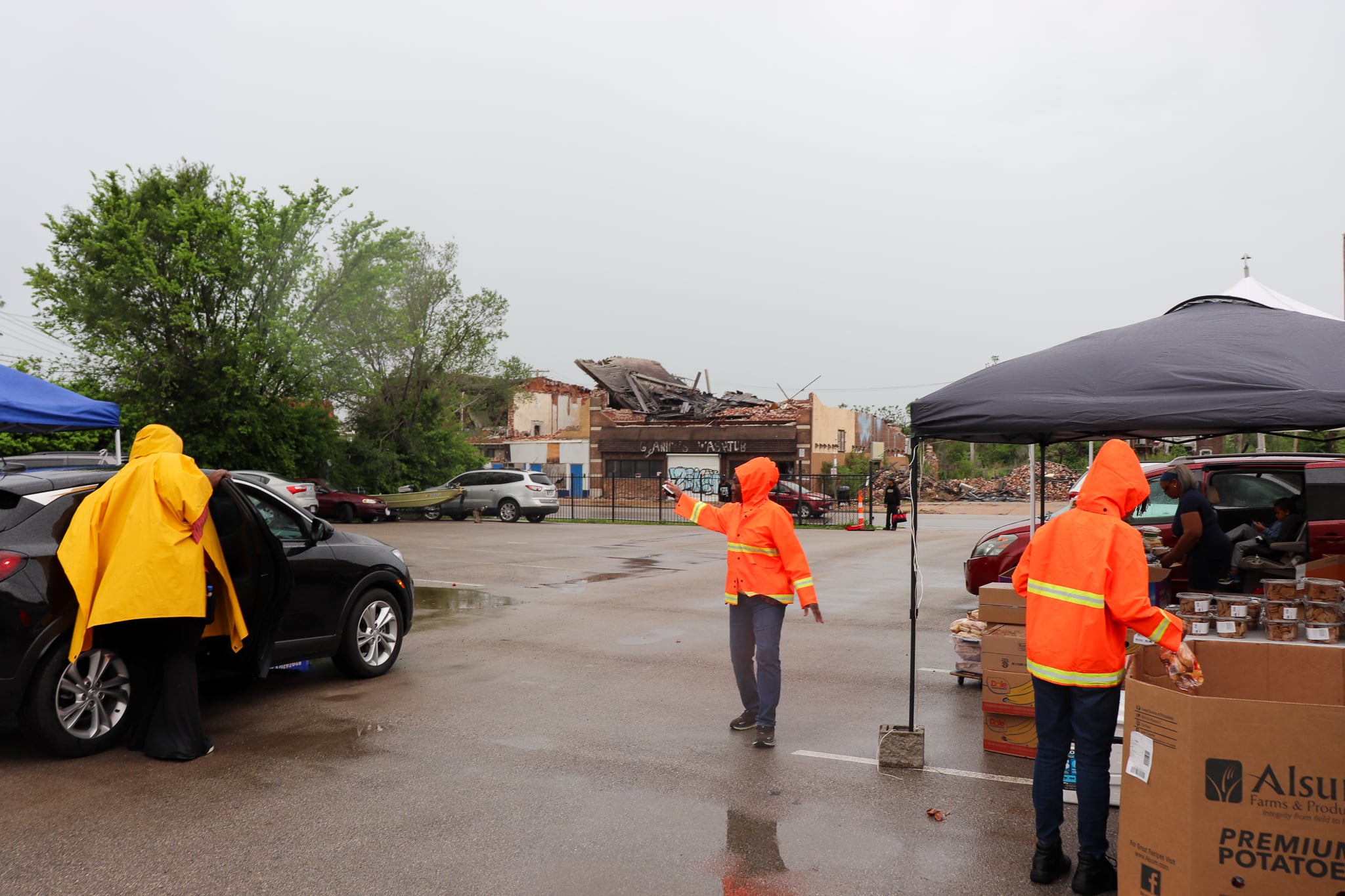
In North St. Louis, after one of the most destructive urban tornadoes in recent memory, a historic Black neighborhood has spent more than a year navigating recovery largely without federal or state support.
As of this spring, fewer than 200 of the thousands of damaged properties had been stabilized, demolished, or repaired, leaving entire blocks in a state of managed decay.
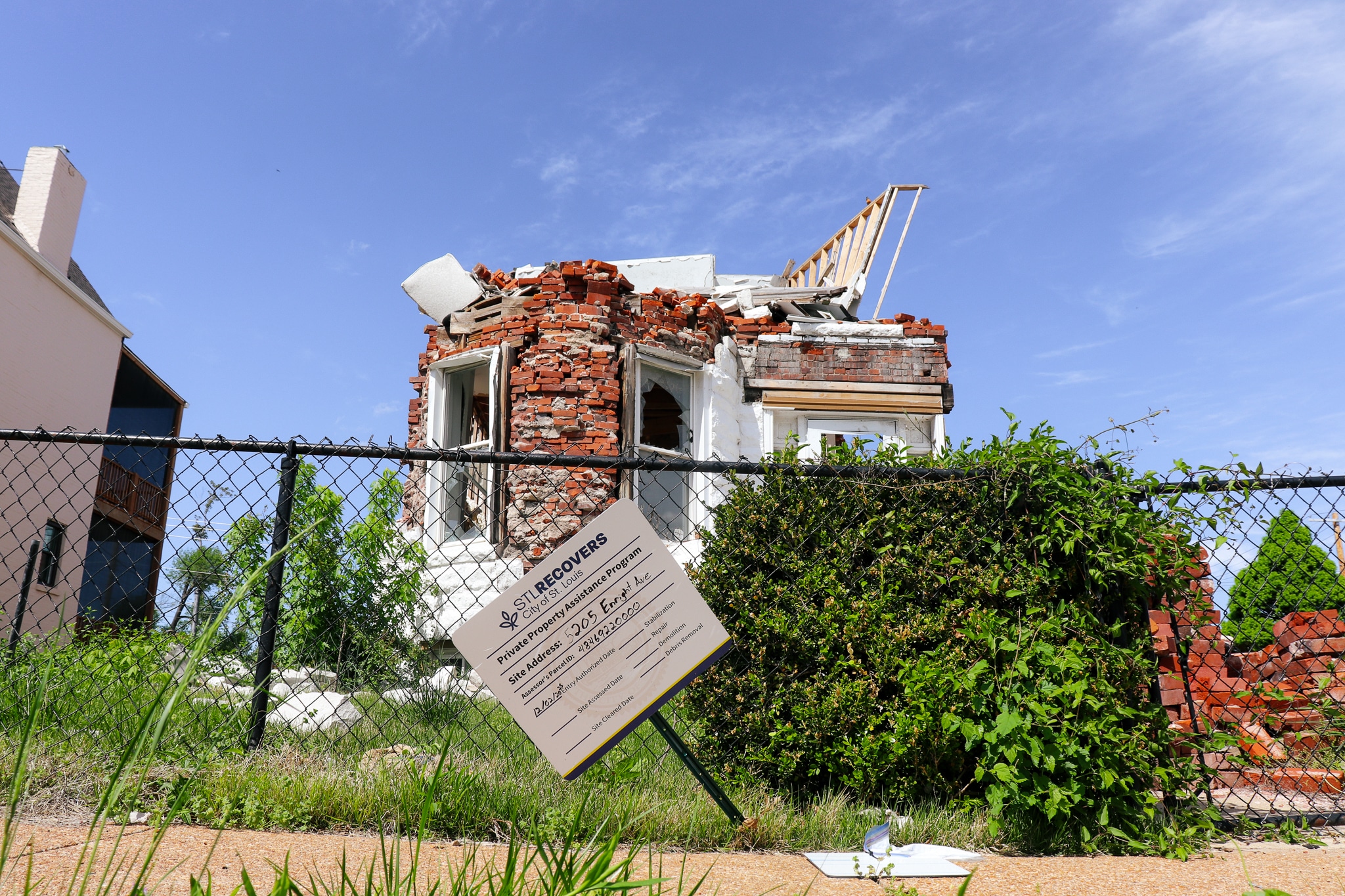
Climate reporting follows whether government agencies see their promises through. For example, while the overextended St. Louis government promised investment, residents are still living in hotels, arguing with insurers, and trying to decode a FEMA bureaucracy that was weakened during the Trump administration. Meanwhile, federal officials have agreed to demolish only a fraction of the dilapidated buildings.
When big outlets cut climate and environmental justice beats, they’re also failing to cover the disproportionate impacts of pollution, extreme heat, pesticides in agriculture, and other effects of climate change on marginalized communities beyond initial moments of disaster.
The Washington Post laid off at least 13 climate reporters during its February restructuring, and executive editor Matt Murray said the layoffs were to put the paper on “stronger footing” in a rapidly changing media environment. At NPR, editor-in-chief Thomas Evans said the organization had to meet “very real savings” targets by consolidating desks and pooling talent.
“In fact, we might actually do more because there are plenty of people on the national desk and the general assignment desk who want to do climate stories,” Evans said.
But professors studying climate journalism argue that climate cannot realistically be an add-on to general assignment reporting. And those newsroom promises mean little for people like Calhoun in rural Alabama.
“I need you to keep doing your reporting,” she told me over the phone, “because people are gonna start standing up when they start seeing more of these issues. They won’t if we stay in the dark.”
Was diversifying climate journalism a temporary project?
Independent climate journalist and editor Yessenia Funes has watched this arc up close. She entered the field in 2016, at what she now recognizes as a high-water mark.
“There was a lot of excitement around diversifying the voices in environmental and climate journalism,” she told me. “My first real reporting job was a climate justice reporter job. That was my title. At the time, that was the only job I knew of that even had that focus.”
In 2019, Funes became a founding member of the Uproot Project, a network of environmental journalists of color pushing for representation in the field. At the same time, more outlets followed with similar roles to hers, but Funes isn’t sure the enthusiasm was ever as durable as it looked. “I don’t know how much of it was Trump, how much of it was 2020 and the Black Lives Matter uprising, how much of even that excitement was just sort of superficial tokenization,” she said. “If it was corporate executives thinking this is the hot trend right now, and then as soon as it wasn’t hot, they dropped it.”
Before leaving her own staff job, she ran an environmental justice desk largely on her own, and Funes said the people who remain on the climate beat often lack the resources and expertise of a broader team.
“There is a weight that comes with being the only one on your team expected to cover these stories,” she said, recalling a project on extreme-heat deaths among migrants at the border. “It was a great project, but I carried it alone. We didn’t have the capacity for me to have a team to really help me work on that and do it well.”
That isolation, she said, requires a kind of attrition: “When you want to break — because who doesn’t want to break from the ugliness of this issue — it’s not easy. It can cause a pause in the coverage overall, which I think a lot of us feel guilt for.”
Now freelance and running Possibilities, a climate newsletter, she describes an economy where in-depth reporting is increasingly unaffordable.
“My time is literally money,” she said. Most months, “75% of my work is philanthropy writing, which pays the bills, but it’s not journalism.” Staff jobs are scarce. “It’s been a long time since I’ve even gotten a first-round interview,” she said.
Related: Freelance journalism rates are worse than you think — they’ve barely changed since 2000
Osarumwense “Osa” Adun, a New Orleans-based independent journalist who has built Noirlands, a thriving climate-focused online newsroom focused on the Gulf and Global South, said continuing climate justice reporting may also require people to push through the cutbacks.
“I don’t only see myself as a journalist. I see myself in part as a teacher, educator, and organizer,” he said, “That requires me to be accountable to my community.”
In a moment when traditional newsrooms are retreating from the beat, he said, “the moment that we’re in requires us to engage.”
“I want to be able to give people the capacity to solve these issues and these problems,” he added.
What would it take for everyone to see the importance of environmental justice reporting? Funes isn’t optimistic that another moment like 2020 would do it. She thought the pandemic might, and watched that opening close.
“A lot of us really thought [when] COVID [hit, it] was going to be that crisis that put things into perspective for us — that would turn into [an] opportunity for clean energy, for public health,” she said. “And you’ve just seen how quickly that’s backtracked and reversed.”
She’s not sure a wildfire season will do it either: “I worry it’ll take some massive, massive crisis. I would have thought the Los Angeles wildfires would have been it — that was pretty insane, right? But I don’t know what it will take if that didn’t do it.”
In the meantime, the stories aren’t going away: companies continue building data centers near predominantly Black communities without clarifying their potential environmental impact while a decades-long water crisis in Jackson, MS became grounds for the Supreme Court to deny the constitutional right to safe drinking water. But what’s at risk of disappearing as legacy newsrooms close climate desks is sustained attention to the people and places bearing the brunt of stalled rebuilds and the aftermath of ongoing disasters.
Adam Mahoney is a Black writer from Los Angeles. These days, he writes about our environment from New Orleans.
This piece was edited by James Salanga. Copy edits by Marlee Baldridge.
We depend on your donation. Yes, you...
With your small-dollar donation, we pay our writers, our fact checkers, our insurance broker, our web host, and a ton of other services we need to keep the lights on.
But we need your help. We can’t pay our writers what we believe their stories should be worth and we can’t afford to pay ourselves a full-time salary. Not because we don’t want to, but because we still need a lot more support to turn The Objective into a sustainable newsroom.
We don’t want to rely on advertising to make our stories happen — we want our work to be driven by readers like you validating the stories we publish are worth the effort we spend on them.
Consider supporting our work with a tax-deductable donation.

James Salanga,
Editorial Director
Related Articles
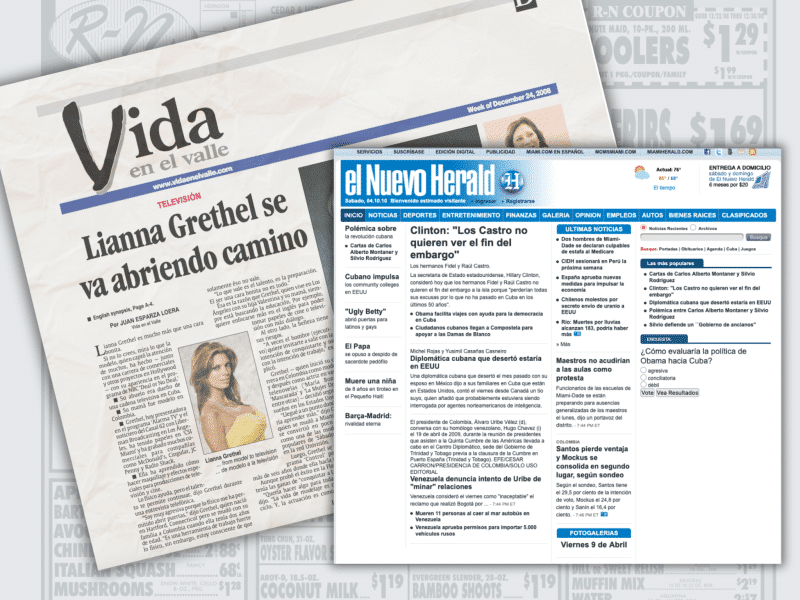
McClatchy layoffs cause ‘end of an era’ for some Spanish-language papers
The latest round of layoffs from McClatchy eliminated editorial staff at two Spanish-language papers, Vida en el Valle and El Nuevo Herald, along with the Spanish-speaking reporter at Tri-City Herald.

Trans News Network calls New York Times boycott for accurate trans coverage, following boycott from WAWOG
For years, reporters, media workers, and media accountability organizations have said the New York Times’ reporting and commentary is spreading harmful misinformation about trans people.
Governor Newsom adds to California’s legacy of stifling prison media access
Governor Gavin Newsom is the latest California governor to consistently veto bills seeking to expand media access and press freedom in prisons, following a precedent set by prior state governors.