
Context, citation when reporting on Palestine solidarity actions is crucial
Uplifting the student journalists covering the Barnard/Columbia Gaza Solidarity Encampment.
This piece originally came from The Front Page, our twice-monthly newsletter that examines systems of power and inequity in journalism. Subscribe here.
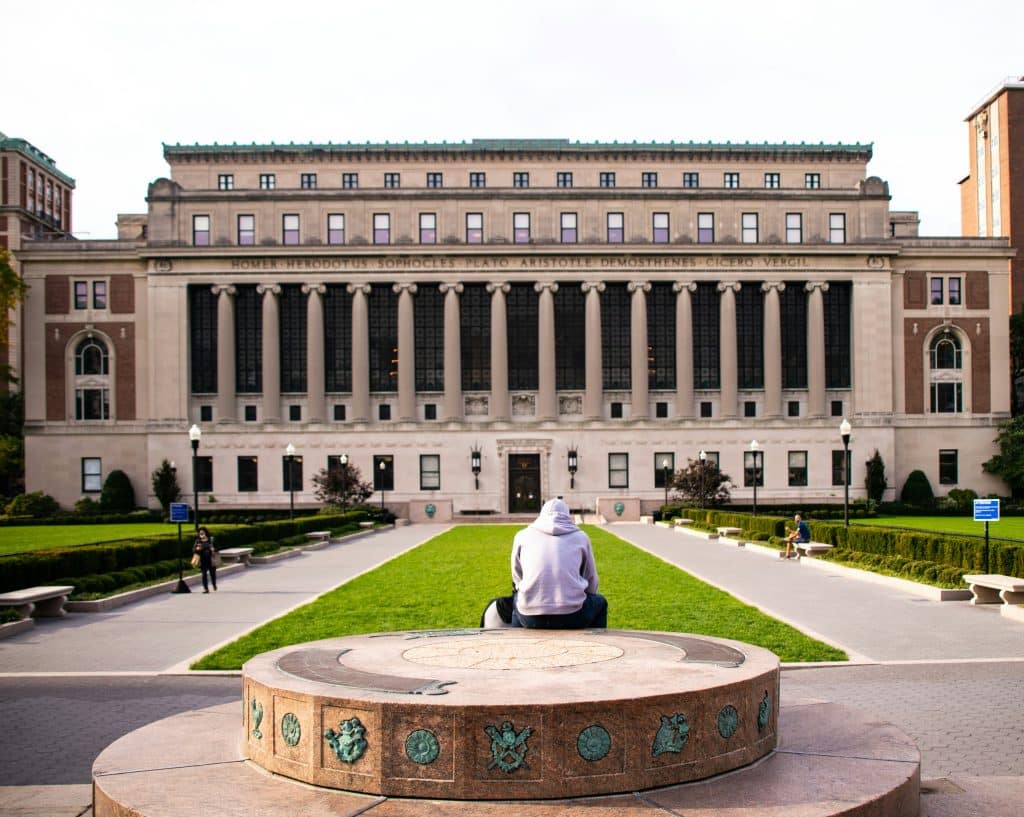
Since the first tents of the Columbia/Barnard Gaza Solidarity Encampment were hoisted up last week, student journalists at radio station WKCR (also posting dispatches on X, formerly known as Twitter) and the Columbia Daily Spectator have been on the ground interviewing protesters, sharing their demands and articulating campus life. Before national reporters walked onto the encampment, student journalists — who know their campus and are situated among varied student, staff and faculty perspectives — were present.
When sharing their interview with Barnard junior Isra Hirsi, one of over a hundred students arrested at the encampment (and Rep. Ilhan Omar’s daughter), on X, Teen Vogue politics editor Lex McMenamin credited Daily Spectator journalists’ reporting: “this piece would not have run without … the reporting done by @ColumbiaSpec journalists!”
Their citation and hat-tip to student campus coverage matters. (Other publications are uplifting coverage in other ways: The Daily Beast spoke to Daily Spectator reporters about their experience, for example.) It’s still far too common in other newsrooms to not cite other outlets reporting, but student journalism is serious journalism and, as with all sources, needs to be cited properly.
As solidarity actions for Palestine happen across the globe, including on college campuses, the coverage of Columbia is a stark reminder for journalists off-campus to uplift the reporting done by students talking to students — or to talk to students themselves — and to not diminish or hand-wave away young people’s response to Israel’s siege on Gaza, which United Nations officials have already termed genocide.
Israeli military bombardment and siege has killed nearly 35,000 Palestinians. Almost 200 bodies were found in a mass grave at Nasser Hospital in Khan Younis over the weekend. So reporting on the encampments shouldn’t decontextualize why the solidarity actions are happening: “pledging to occupy the space until the University divests from companies with ties to Israel.”
”The whole point of the encampment was to shed light on Columbia’s complicity in genocide and to focus back on the folks in Gaza,” Hirsi told McMenamin.
With passive voice, opaque nouns, and omission are prominent in coverage describing Israeli bombardment on Palestinians collecting (expired) food aid and former Air Force engineer Aaron Bushnell’s self-immolation to “no longer be complicit in genocide,” the New York War Crimes and Media Against Apartheid and Displacement can provide alternatives to mainstream media reporting on Palestine.
Related: U.S. reporting on Palestine fails to live up to basic journalism standards — again
The New York War Crimes serves as a direct antidote to the New York Times’ coverage, calling for boycott and divestment of its products while publishing articles highlighting “its present role in fomenting genocide against the Palestinian people.” (A recent Intercept exposé included a leaked NYT memo urging the paper’s journalists to avoid using “genocide”, “ethnic cleansing” and “occupied territory” in their articles.)
And MAAD collects movement journalism articles from a range of partner outlets.
Crucially, it’s “a resource, a hub for documentation, and a commitment that the stories of genocidal atrocities–and the struggles against them–will be told, shared, amplified, and never forgotten.” One of its most recent linked stories is a Democracy Now interview with Palestinian Jordanian journalist and Columbia Journalism School student, Jude Taha, sharing her reporting from the campus.
We depend on your donation. Yes, you...
With your small-dollar donation, we pay our writers, our fact checkers, our insurance broker, our web host, and a ton of other services we need to keep the lights on.
But we need your help. We can’t pay our writers what we believe their stories should be worth and we can’t afford to pay ourselves a full-time salary. Not because we don’t want to, but because we still need a lot more support to turn The Objective into a sustainable newsroom.
We don’t want to rely on advertising to make our stories happen — we want our work to be driven by readers like you validating the stories we publish are worth the effort we spend on them.
Consider supporting our work with a tax-deductable donation.

James Salanga,
Editorial Director
Related Articles
Billionaire newspaper owners prompt deluge of unsubscribers
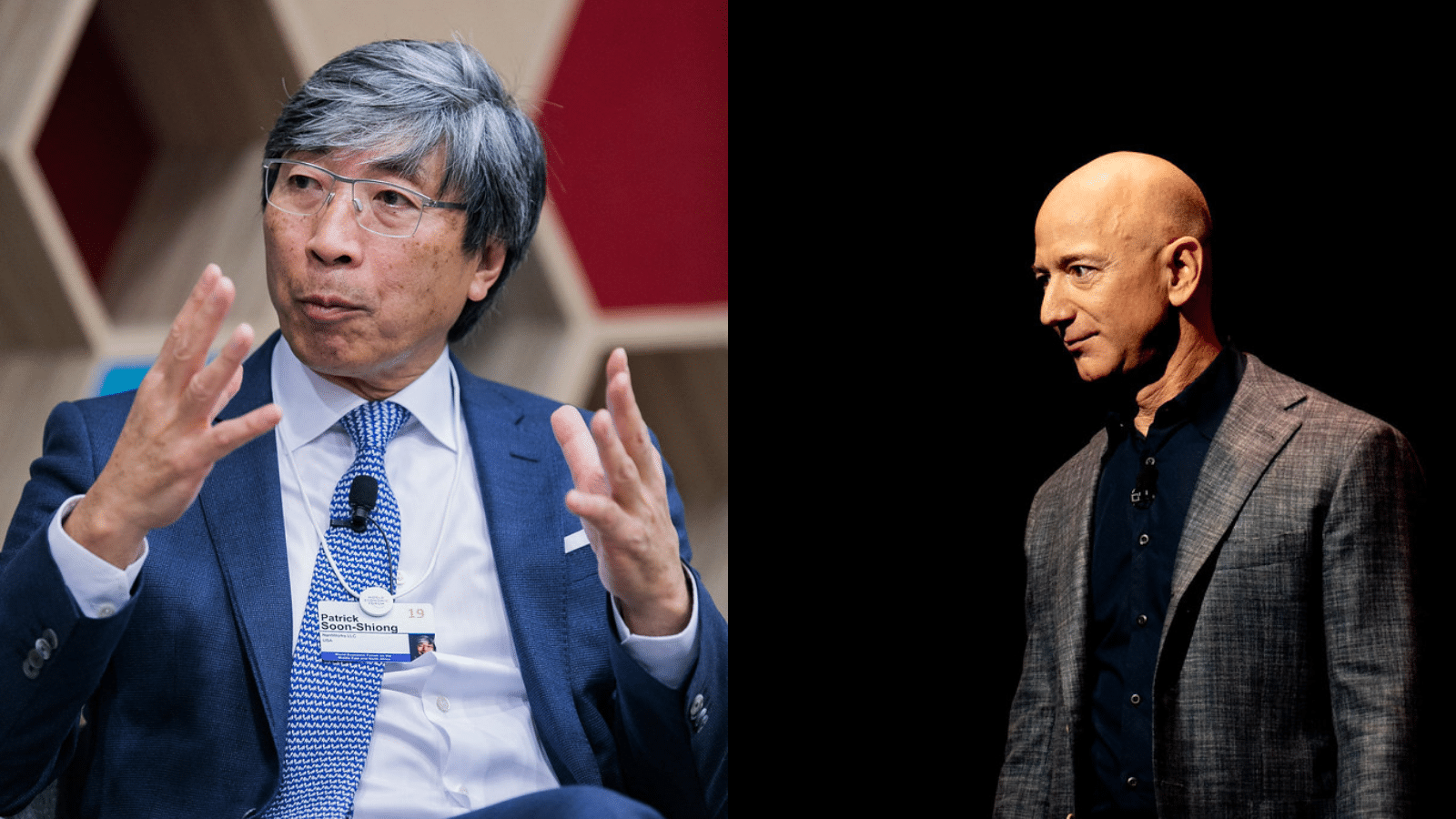
The decision to not endorse at the LA Times and Washington Post reflects the perilous situation at virtually every major mainstream newsroom: billionaire owners decide without worker input.
Where is journalism going? Ask media workers, not elites
If anything, what’s useful to learn from the New York Magazine piece is what many reporters have already experienced — that some editors and leaders don’t care whether they’re entirely out of touch with their employees.

News’ artificial intelligence fixation deserves more scrutiny
Journalists shouldn’t passively accept the encroaching presence of generative AI into the news industry.