
Government attacks on Palestinian human rights speech are part of a larger pattern
Newsrooms must urgently contextualize the Trump administration’s animosity toward speech supporting Palestine as not just an attack on the First Amendment, but as part of the U.S.’s long history of suppressing solidarity for Palestinians’ rights.
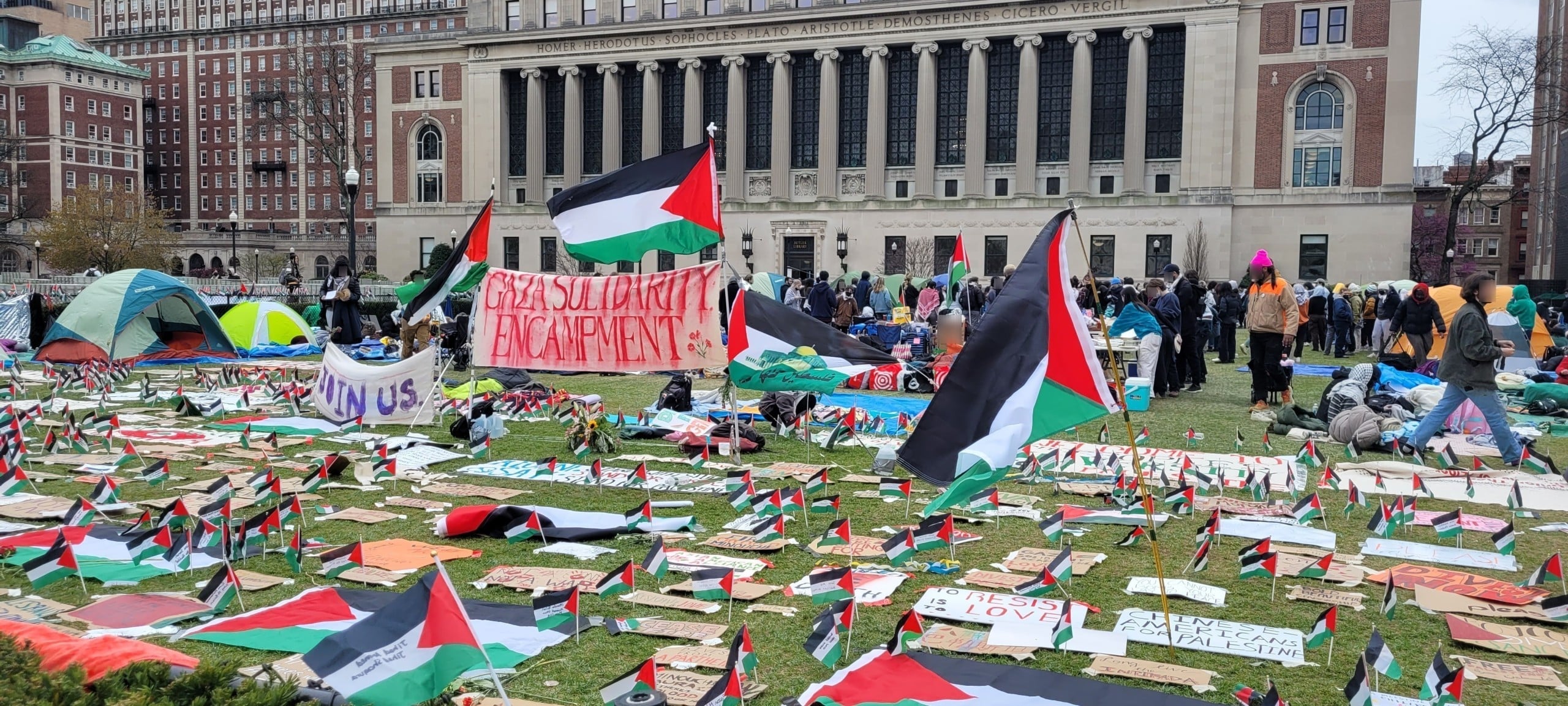

Overnight on Tuesday, Israel broke its ceasefire on Gaza, killing over 400 people through airstrikes on heavily populated residential areas. Israeli leaders, according to Al Jazeera, reportedly consulted U.S. leadership before the resumption of airstrikes.
The Trump administration is visibly committed to deportation and carrying a massive effort to suppress support for human rights in Palestine. The Trump administration has targeted scholars who have spoken in support of those rights, like Palestinian and Columbia University student Mahmoud Khalil. Newsrooms must urgently contextualize the Trump administration’s animosity toward speech supporting Palestine as not just an attack on the First Amendment, but as part of the U.S.’s long history of suppressing solidarity for Palestinians’ rights.
While Columbia Journalism School’s press release affirming its commitment to press freedom is a strong statement for “all who believe in these freedoms should steadfastly oppose the intimidation, harassment, and detention of individuals on the basis of their speech or their journalism,” it requires more specificity.
This is known as the “Palestine exception”, a documented, decades-long pushback to supporting Palestinians that has settled across all fields of work, from education to journalism.
Related: The ‘Palestine exception’ to press freedom
The Trump administration is escalating and orchestrating attacks on free speech and press freedom. That’s been well-covered over the past few months. But it’s a disservice to Palestinians, Palestinian journalists, and journalism at large — and a mischaracterization of the U.S. government’s history of upholding the First Amendment — to chronicle the administration’s latest push to silence and punish supporters of Palestinian rights as a uniquely partisan surprise rather than an escalation of a consistent, quiet de facto policy.
Writer and journalist Mosab Abu Toha said Wednesday that he doubts his and other Palestinian journalists’ documentation of “our beautiful families getting crushed under the rubble in their sleep” will change anything.
That is, “unless you all, especially in the United States, do something different from last time.”
“This country boasts about having the best academic institutions in the world, and that is why you should never run short of … ideas and tactics to counter the brutal justification and fueling of the killing and destruction in Gaza and all Palestine,” he wrote. Toha’s work covering the atrocities in Palestine under Israeli apartheid was cited in the Columbia Journalism School press release.
As violence escalates again, the very least journalists could do is to highlight in clear language when government suppression of Palestine solidarity is happening. They could acknowledge and document the current and past creation of a jagged, ahistorical landscape in which a commitment to objectivity asks for the surrendering of a moral backbone and ignorance of apartheid and genocide.
Journalism professor Steven Thrasher points out that the statement itself, from a journalism institution long bearing power, is a “powerful” start.
In a climate with such pointed and specific targeting, part of combating the problem is by accurately identifying it rather than just collapsing it into a broader context — and using institutional power to amplify the work of Palestinian journalists who continue to work tirelessly to bear out the real narrative of the genocidal violence they’re facing.
James Salanga is the co-director of The Objective and the podcast producer for The Sick Times.
This piece was edited by Gabe Schneider. Copy edits by Jen Ramos Eisen.
We depend on your donation. Yes, you...
With your small-dollar donation, we pay our writers, our fact checkers, our insurance broker, our web host, and a ton of other services we need to keep the lights on.
But we need your help. We can’t pay our writers what we believe their stories should be worth and we can’t afford to pay ourselves a full-time salary. Not because we don’t want to, but because we still need a lot more support to turn The Objective into a sustainable newsroom.
We don’t want to rely on advertising to make our stories happen — we want our work to be driven by readers like you validating the stories we publish are worth the effort we spend on them.
Consider supporting our work with a tax-deductable donation.

James Salanga,
Editorial Director
Related Articles
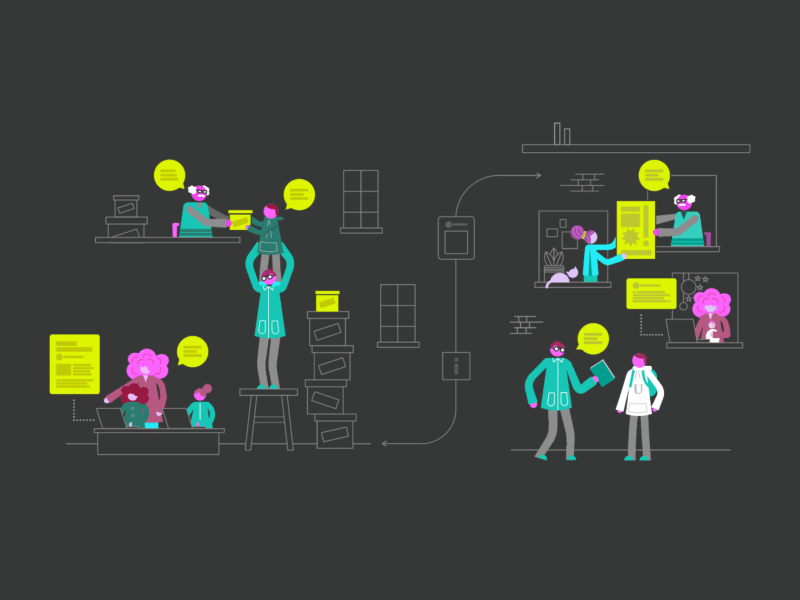
Journalists aren’t the only ones sharing the news, and that’s a good thing
A new framework from Journalism + Design Lab invites newsrooms to build on the abundance, diversity, and momentum already in our communities to strengthen local news.
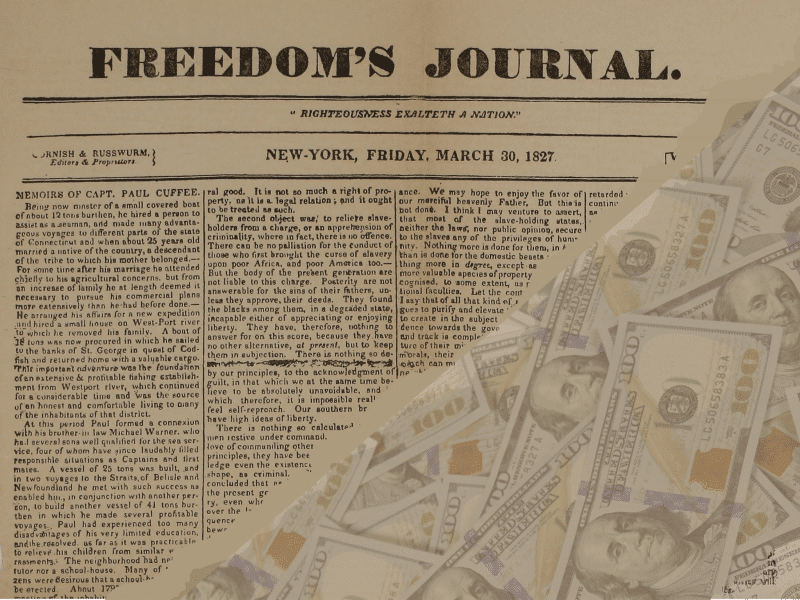
The Black press has always faced an inequitable funding landscape. Its future can’t be the same
Looking to historical models can provide some clarity and inspiration in an environment once again hostile to funding Black journalists and the Black press.
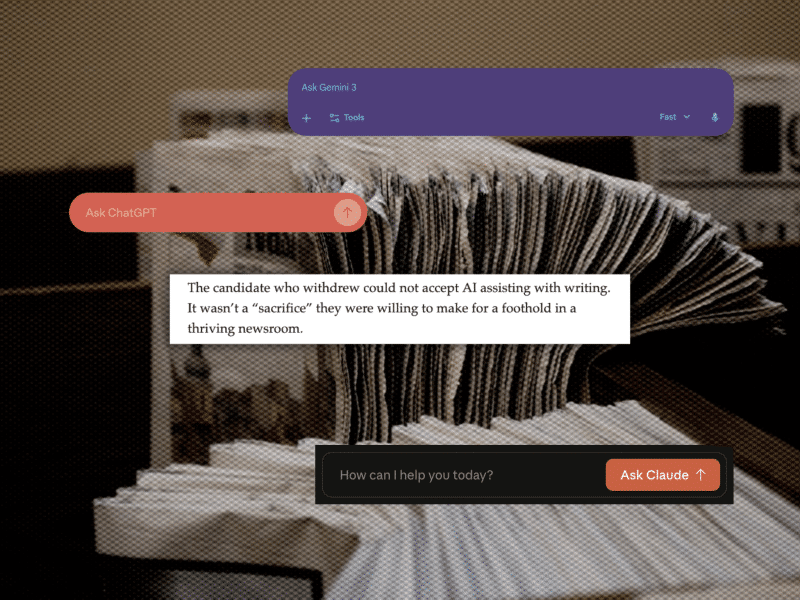
It’s healthy for student journalists to raise concerns about AI
Generative AI isn’t a real solution to the issues facing newsrooms. Students are right to point that out.