Commentary

Next to a flooded area, a yellow crane truck picks up debris caused by Hurricane Helene.

Meeting community information needs can build community power

How movement journalism develops local networks of trust and connection, even before disaster strikes.

Latest in Commentary
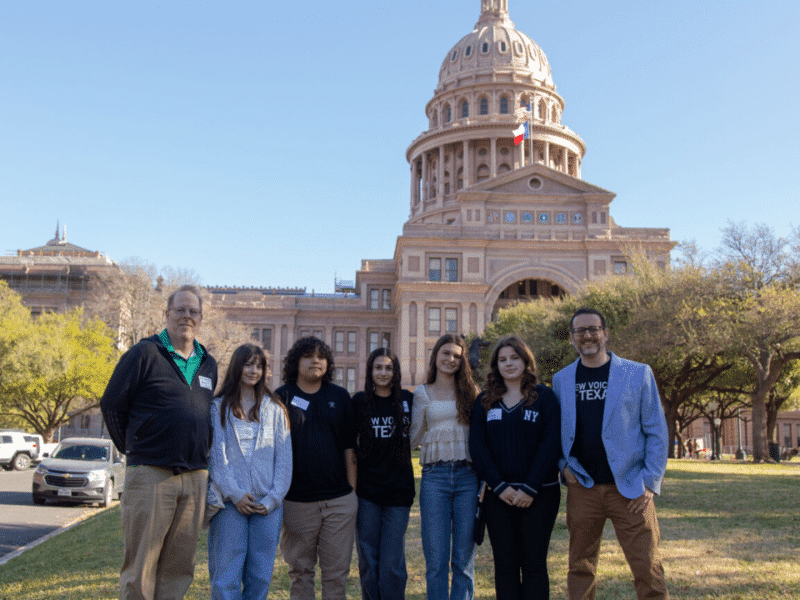
Seven people — two advisors and five high schoolers — stand in front of the Texas Capitol building.
Without New Voices legislation, we risk igniting an epidemic of silence among U.S. student journalists

Defunding and devaluing public media is a top-down erosion of truth-telling that undercuts efforts to strengthen student press freedom and contributes to censorship of student journalists.
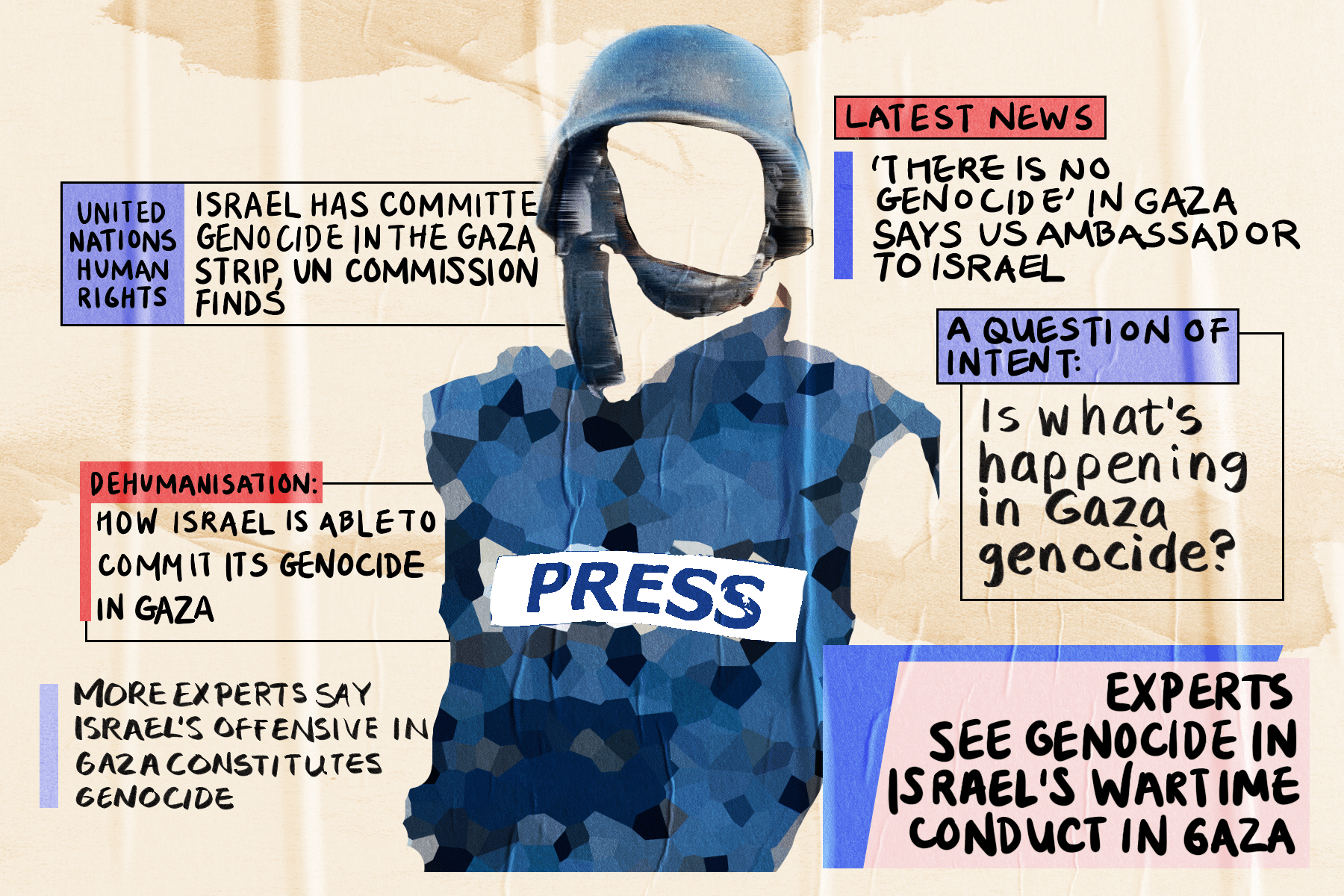
An illustration of Palestinian journalist garb — a navy blue vest labeled PRESS and a navy blue helmet — is surrounded by six news headlines on a background of waterlogged paper. Clockwise from top left, the headlines read: United Nations Human Rights | Israel has committed genocide in the Gaza Strip, UN commission finds Latest News | 'There is no genocide' in Gaza says U.S. ambassador to Israel A question of intent: Is what's happening in Gaza genocide? Experts see genocide in Israel's wartime conduct in Gaza More experts say Israel's offensive in Gaza constitutes genocide Dehumanisation: How Israel is able to commit its genocide in Gaza
The UN called it genocide in Gaza. Will Western journalists dare to?

If the truth costs us Palestinian journalists our lives, what excuse do you have for refusing to call it by its name?

From top: Screenshots taken from 2025 Nieman Lab coverage about the Houston Landing's closure, a 2009 Nieman Lab story about nonprofit news, and 2024 Nieman Lab coverage of the Wichita Beacon's closure. The first reads: "We tried to be too much, too fast, for too many people," a staffer and member of the Landing's union told me. The second, atop an orange rectangle, reads: What makes the nonprofit model compelling in these times? The third reads: "However, we've realized that we couldn't do it all, and have made the decision to no longer have a staffed newsroom in Wichita." The screenshots are bordered by a newspaper-snippet frame.
What is nonprofit news infrastructure solving for?

We need new questions to guide flourishing news ecosystems that don't treat nonprofit status as the end-all, be-all fix.

Black mothers and their children pack a restaurant, smiling and posing for the camera.
Make it make sense: movement media as political education

Even when our stories herald bad news, they can also include context and analysis that helps people make meaning of the story and figure out our role in responding.

A blurred-out TV is framed by two photos of cats: on the left is an orange and white cat, Dr. Abraham Horatio Pickles, of the the Philadelphia bookstore The Book Trader. On the right is Sheldon of the Philadelphia Argentine Tango School, a gray cat with slightly narrowed eyes.
In passionate defense of counterprogramming

Reporting on the spaces people take solace in during times of deep economic and political woe shows what different communities value.
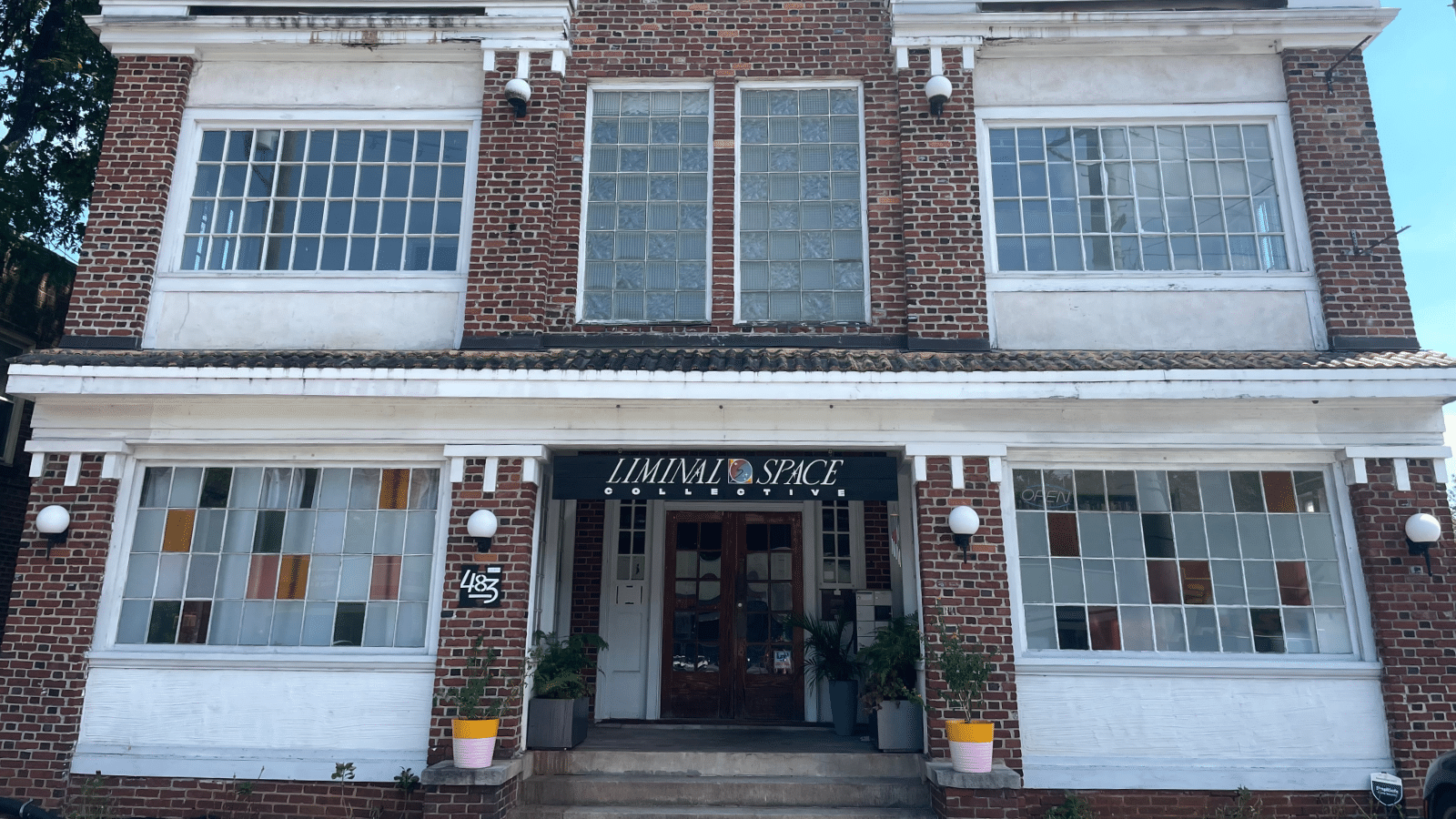
The facade of Liminal Space Collective, which is housed in a brick building with some colorful window panels.
We can resist the robots

Movement journalists don’t attempt to connect to people in order to sell to them, but view this connection as a mission unto itself.
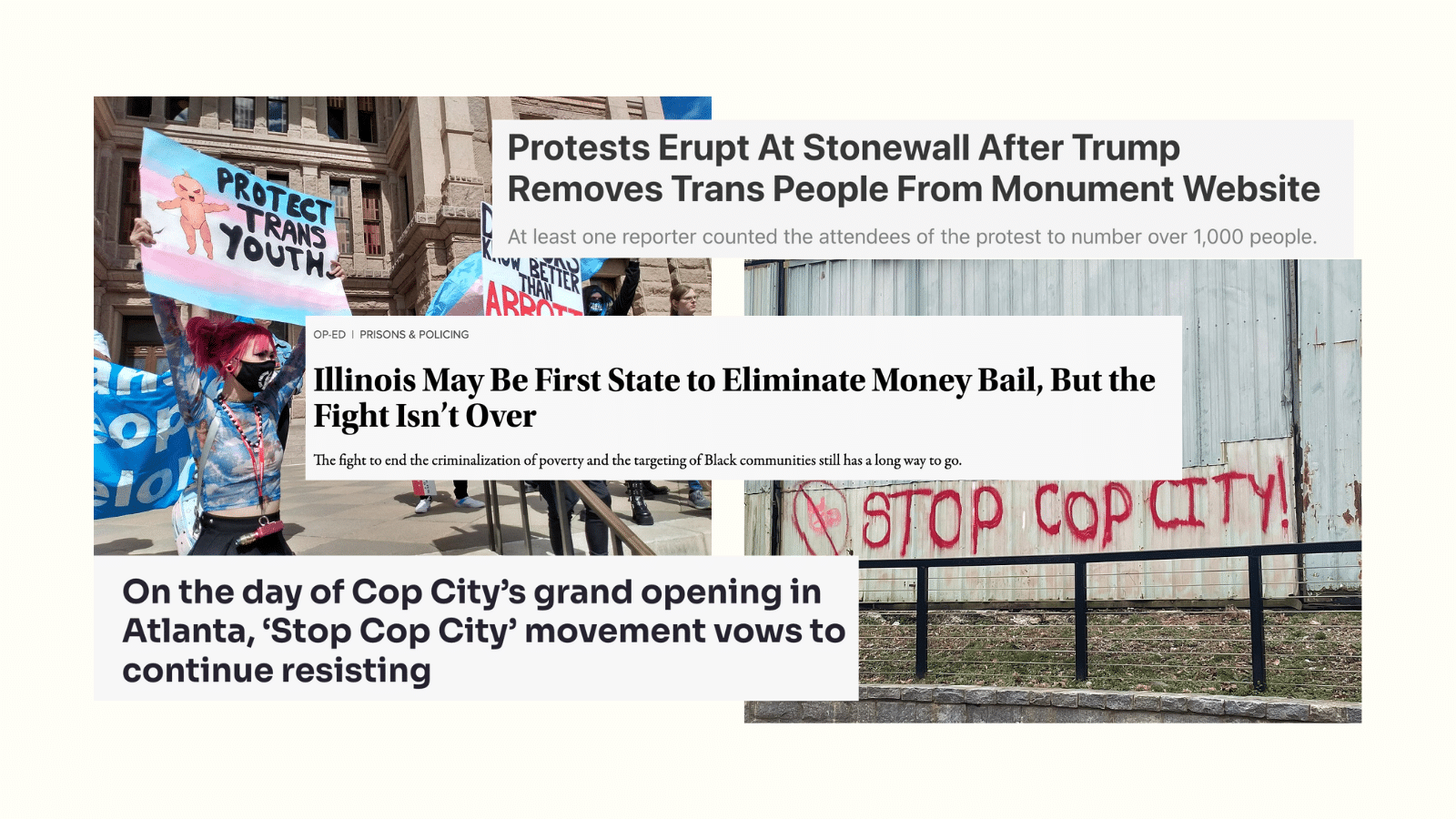
Three headlines cover two photos. The photo on the left is of two protesters holding up photos at a 2022 March for Trans Kids. A white person with a mask, pink hair in a ponytail, and a blue long-sleeved shirt holds up a sign painted with the trans flag, an angry baby doll, and the saying Protect Trans Youth. The photo on the right is red graffiti with a drawing of a pig crossed out and "Stop Cop City!" next to it.
Stories are an ‘arrow in a quiver’

How movement journalists share strategy and inspire action.
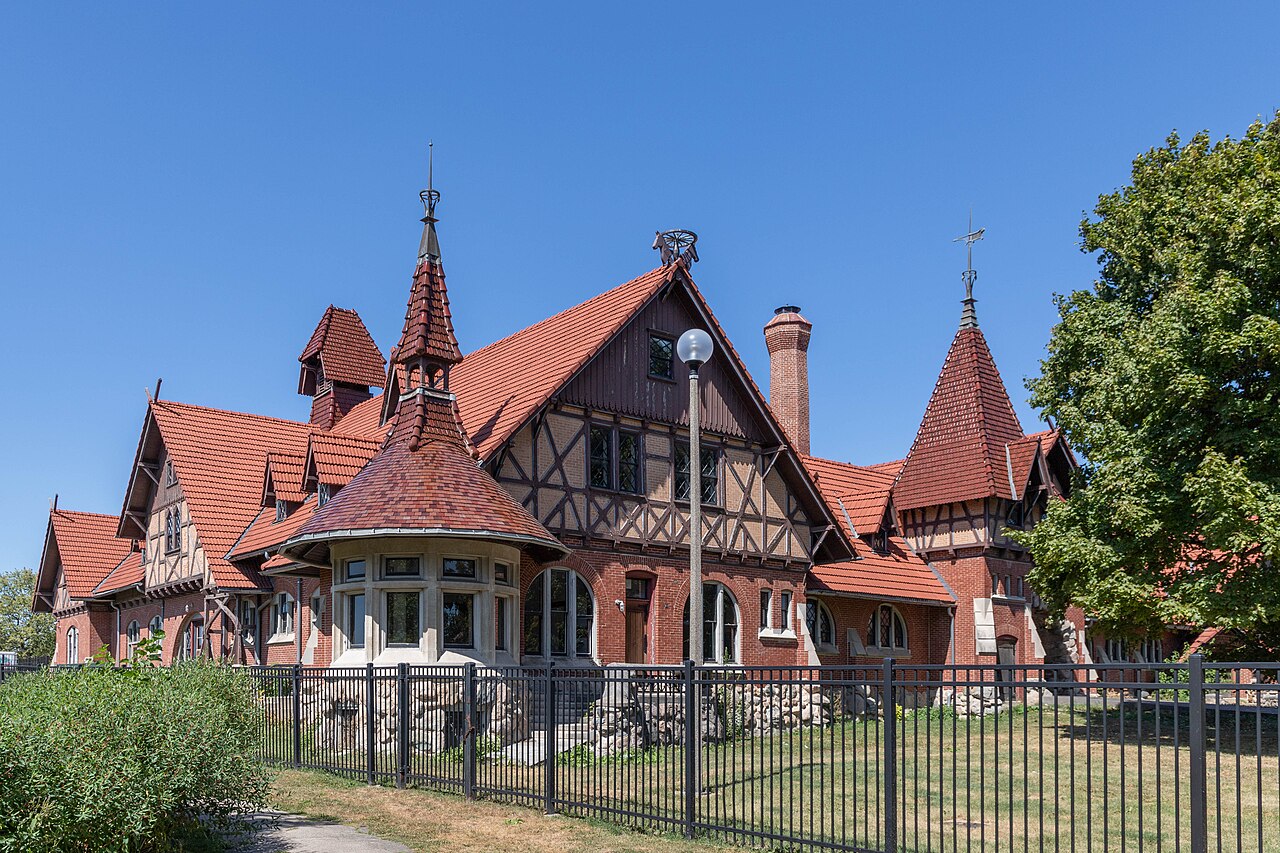
A photo of the National Museum of Puerto Rican Arts & Culture, formerly the Humboldt Park Staples and Receptory.
How to ensure reporting on ICE goes beyond focusing on citizenship status

Framing ICE coverage as a mere immigration issue may no longer meet the needs of the communities you cover, especially as many have weathered the fallout of raids, a new detention center, or surveillance tactics.
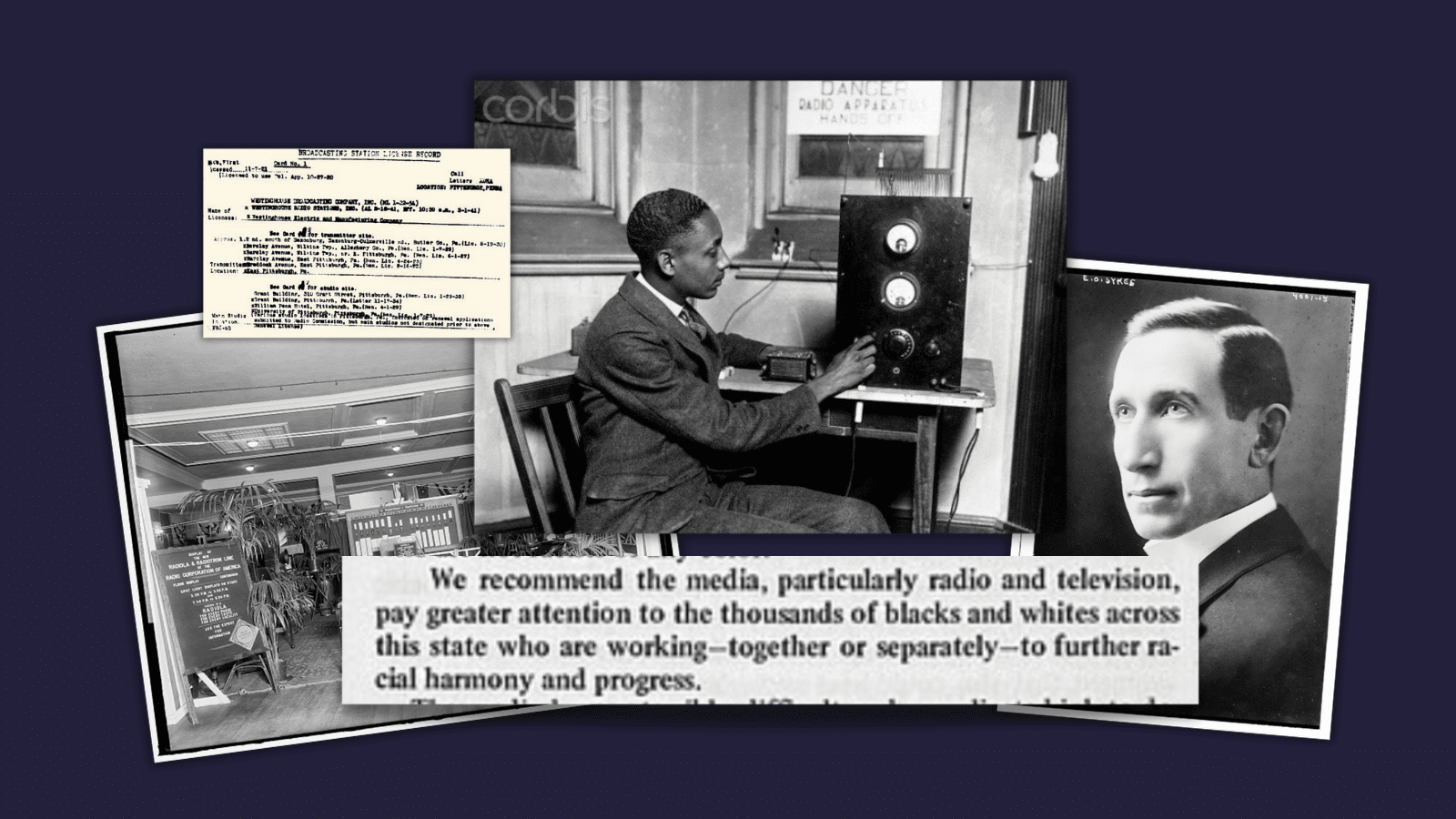
Collage of photos. From left to right: An early Federal Communications Commission licensing card given to KDKA; early Radio Corporation of America speaker; Rufus P. Turner at his radio; excerpt of Kerner Commission report; Eugene Sykes.
Reckoning with the Federal Communications Commission’s history of structural racism

Since the agency’s inception, FCC policies have undermined the 14th Amendment rights of Black people and Black communities.