A table piled with College Park Here & Now papers.

The decline of local journalism removes a future for the industry

Hyperlocal and local journalists like me tell stories for smaller communities that may not have “national significance”, but are important to the people in these towns and areas.
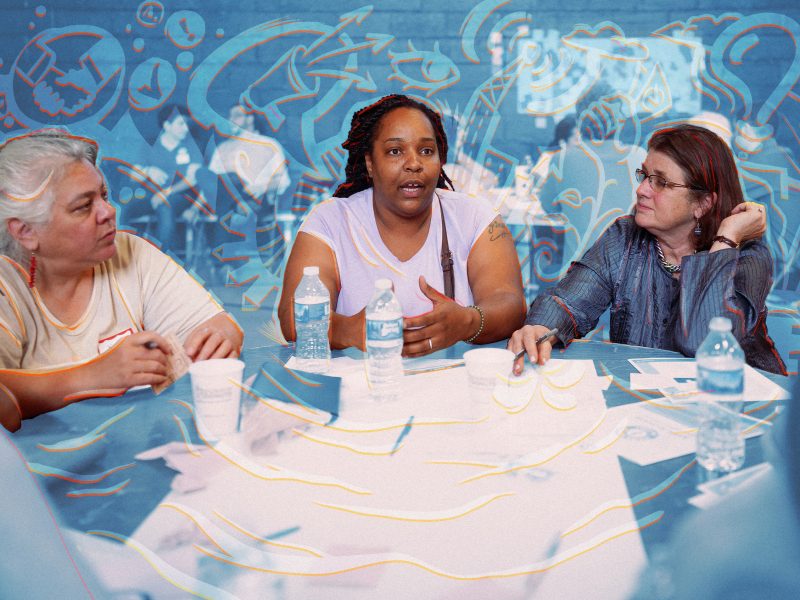
Three women of different races sit at a table discussing. There is a light blue overlay with orange-outlined transparent icons like lightbulbs, a speech bubble with a microphone, a handshake and more.
Thinking beyond ‘DEI’ to make equitable media

Andrea D. Wenzel on reimagining an equitable, cooperative, and sustainable local media system amid overlapping crises.
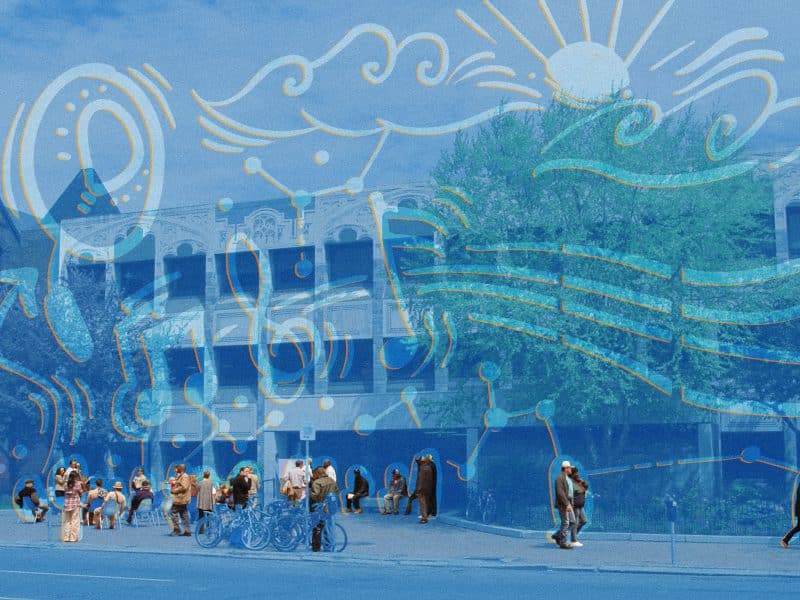
A crowd of people around a library building. A blue filter is placed over every image element but the people; iconography outlined in light blue and orange depicts a sun, clouds, wind, and a lightbulb.
Libraries are a locus for civic change

Jennie Rose Halperin on the need to invest in underexplored partnerships between civic media makers and libraries as a clear place of change.
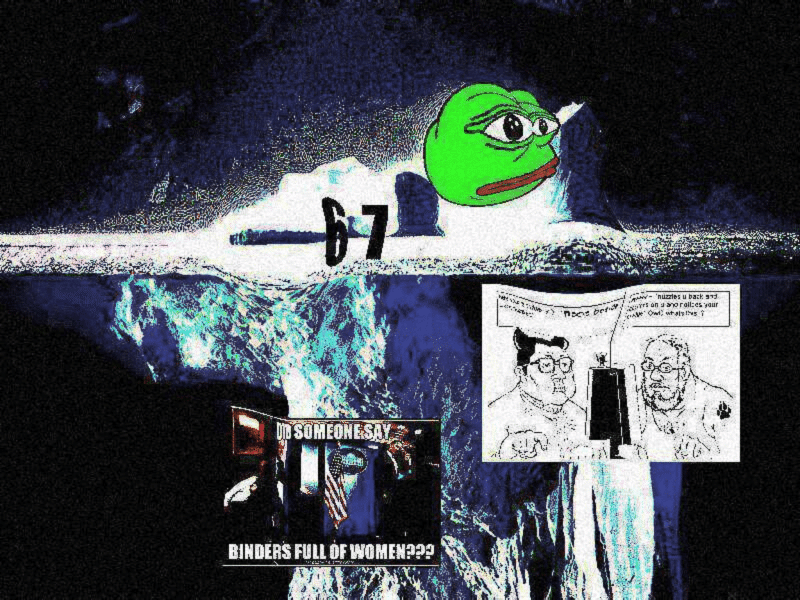
An iceberg photo "deep-fried" per deep-fried memes, with a distorted Pepe the Frog at the top of the iceberg, 6-7 in Impact font at the surface where the iceberg meets the water, followed by a blurry "Notices Bulge / OwO What's this?" meme, and deepest on the iceberg is a distorted meme of Mitt Romney in a 2016 presidential debate, with the all-caps text reading "Did someone say Binders Full of Women???"
Do newsrooms need a memeologist?

In the age of meme-slop and digital newsrooms shuttering, internet culture reporters say mainstream media is ill-equipped to cover not just trends, but a radicalization that doesn't look how it used to.
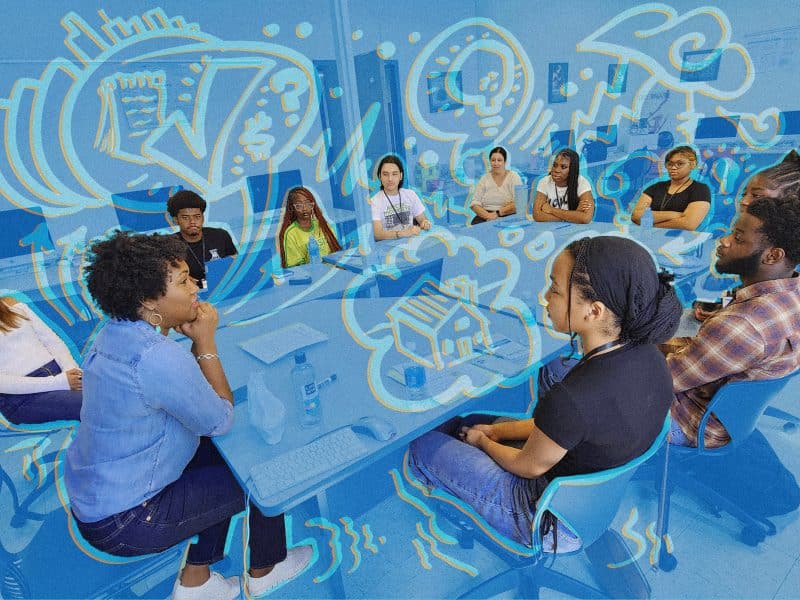
High school students of various ethnicities sit around a table, discussing. A blue filter is placed over the photo excepting the people, who are highlighted with iconography outlined in light blue and orange including lightbulbs, houses, and checkmarks.
Students plugging local news gaps isn’t sustainable for students, communities, or journalism

Carla Murphy on how expecting college students to “fill the gap” in local news without addressing institutional power may reify inequities. 
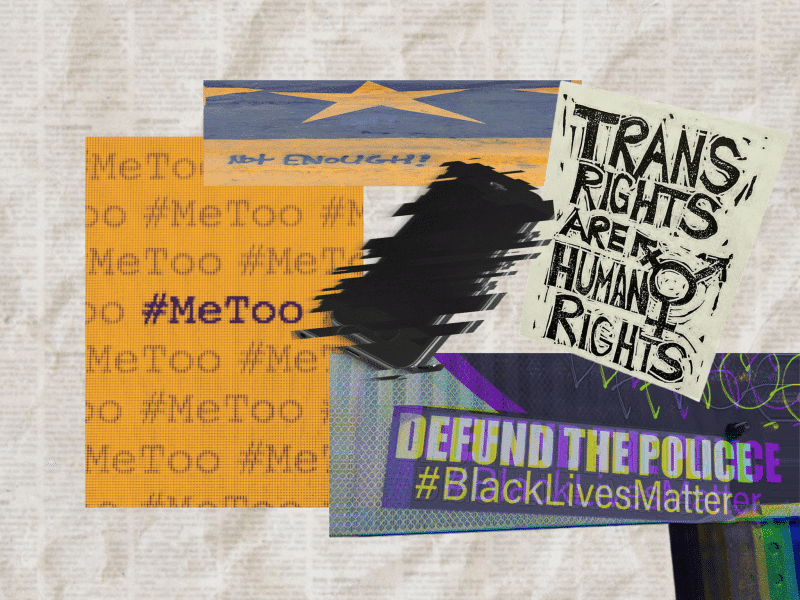
A collage of five images placed atop a faded, yellowed newspaper background. A scattered image of a turned-off iPhone sits center and is surrounded by four images: a block of hashtags stating #MeToo, with the central #MeToo bolded for emphasis; a photo of graffiti at Black Lives Matter Plaza that states “not enough!”; a sticker that reads Trans Rights Are Human Rights; and a negative of a sticker on a stop sign that reads Defund The Police #BlackLivesMatter.
Movement journalism can transform narratives

When we accept that we are powerless, we foreclose our own radical potential. Stories can change that.
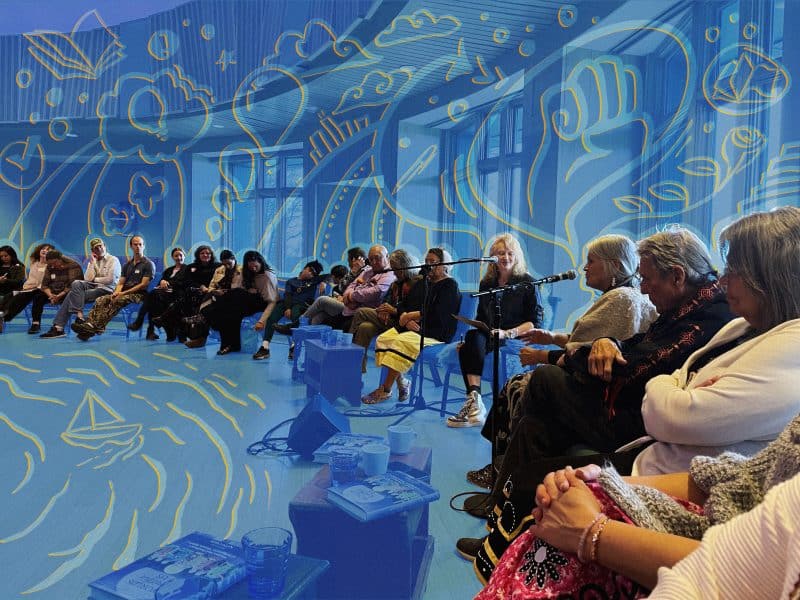
Native and non-Native media practitioners sit in a circle discussing the roots of American democracy in Indigenous tradition. The image is stylized with a blue filter applied over all but the people, and iconography in light blue and orange outlines depicts a boat on a body of water, along with thought bubbles rising out of people's heads.
Looking to earth and ecology to revive local news

Jennifer Brandel on the civic potential of journalism that reorients toward the land.
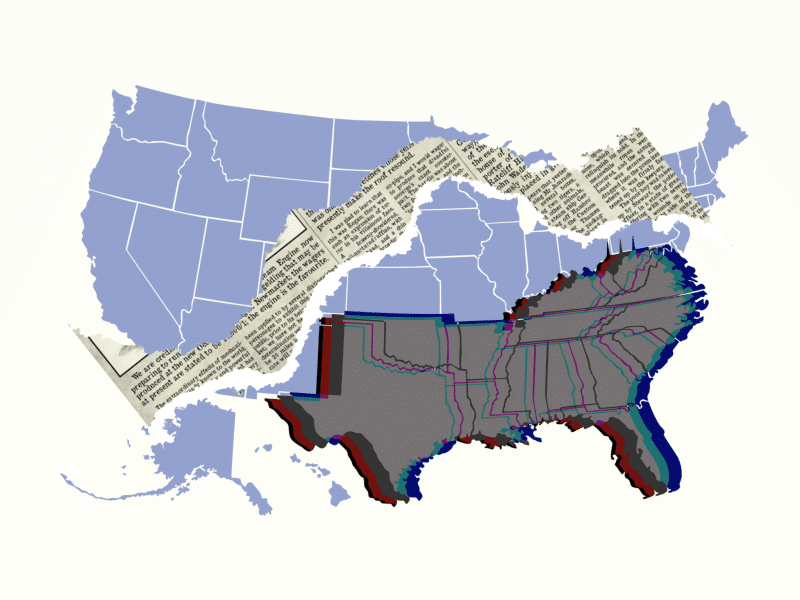
A map of the so-called United States filled in with blue and split around the Mason-Dixon line with a news clipping. The Southern states are rendered with a glitching computer-style effect.
The national media has ignored the South. Now the South’s problems are the nation’s

Oral histories from Southern journalists and authors about the news industry’s geographical bias.
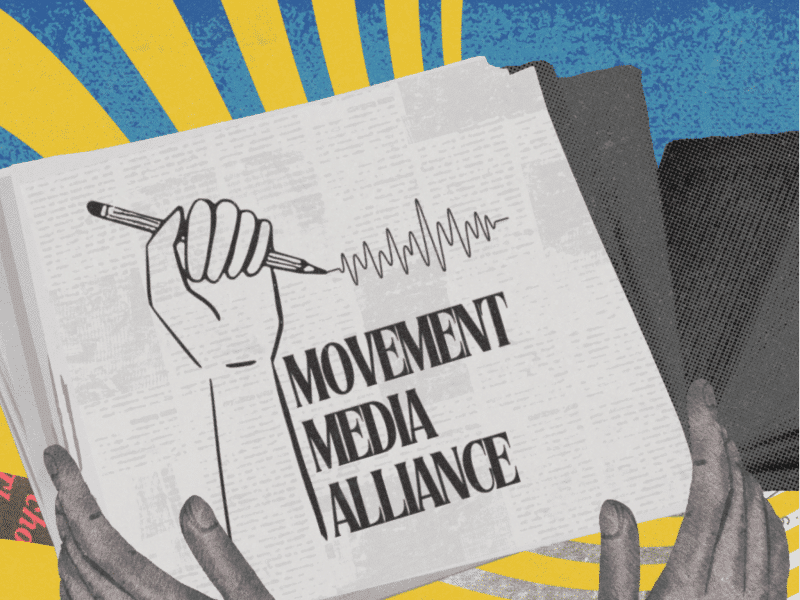
A Black person holds a newspaper emblazoned with the Movement Media Alliance logo.
Journalism appropriately covering this political moment needs funding

As efforts to increase newsroom diversity grind to a halt or are reversed, marginalized journalists face new obstacles amid industry cutbacks and right-wing pressure.
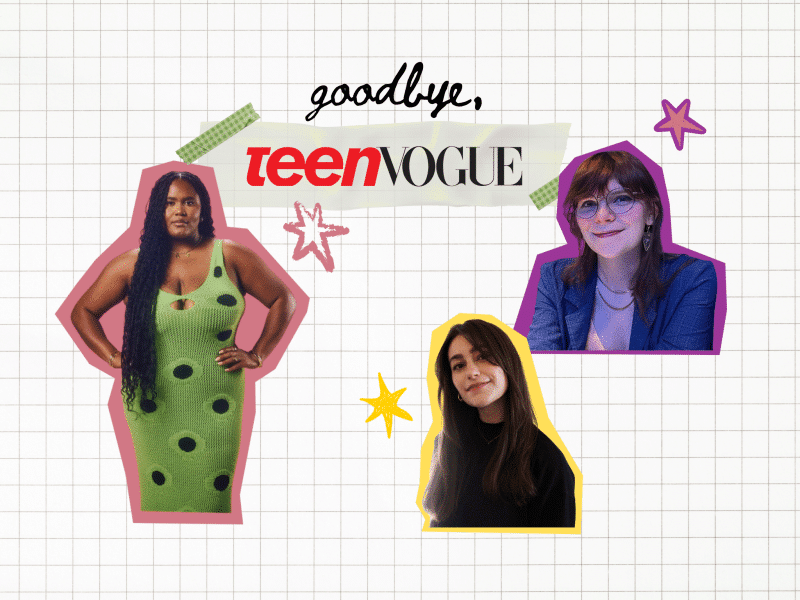
On graph paper background, three headshots styled as stickers and accompanied by scribbled stars surround the words "goodbye, Teen Vogue." From left to right: Aiyana Ishmael, a Black woman with wavy hair over one shoulder wearing a green dress with her hands on her hips. Rainesford Stauffer, a white woman smiling slightly at the camera with a black turtleneck. Alma Avalle, a white woman with bangs and glasses wearing a blazer over a shirt.
Teen Vogue’s loss is an irreplaceable void in teen media

Between fandoms and youth activists, people don’t take teenage girls seriously — but Teen Vogue did.