
Incarcerated journalists lead first-ever conference on strengthening U.S. prison journalism
Bridging the Gap, a conference focused on improving journalism in and on U.S. prisons and jails, will take place in Chicago on May 29 and 30.
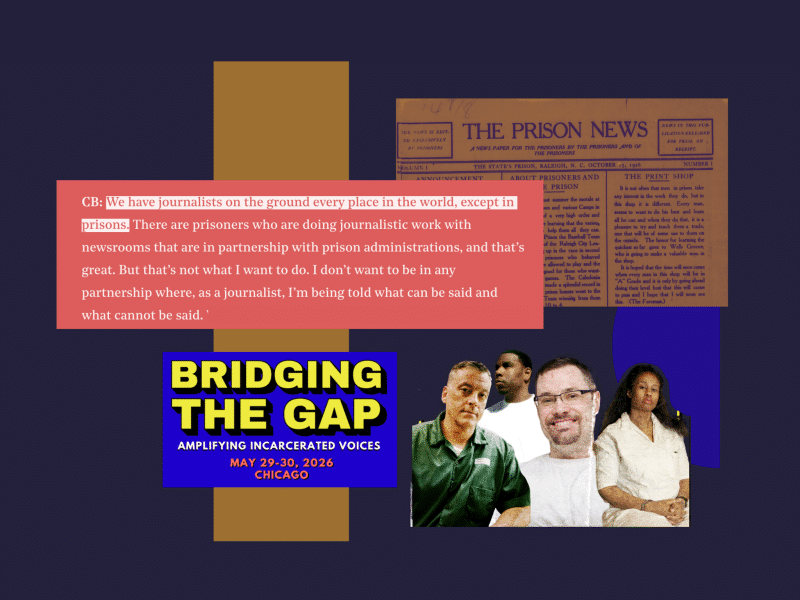
Bridging the Gap, a conference focused on improving journalism in and on U.S. prisons and jails, will take place in Chicago on May 29 and 30.
While it might be simple to suggest that reporters launch a newsletter or an independent newsroom when laid off from corporate media, those career pivots cost more than just money — particularly for Black independent journalists.
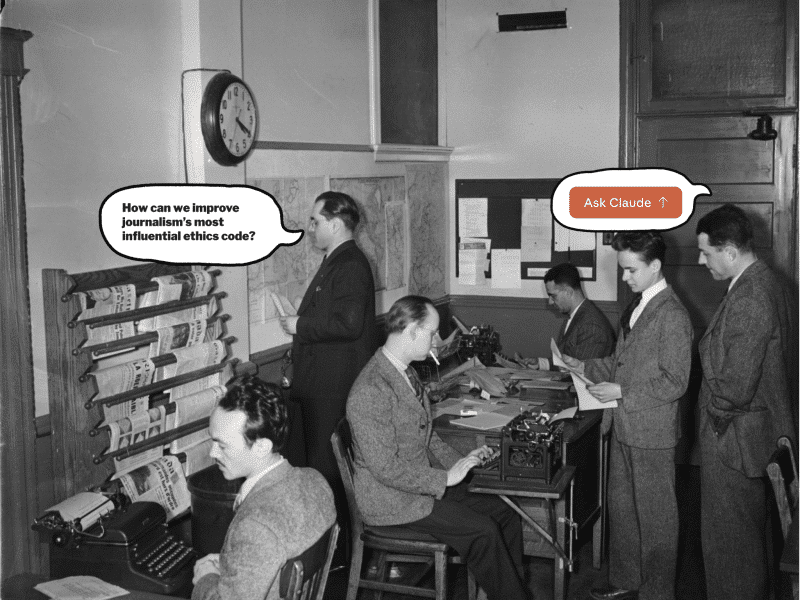
Tech journalists have set their own standards as journalism organizations haven’t yet issued consistent guidelines around generative artificial intelligence — whether around how it’s used in newsroom processes or how it’s covered.
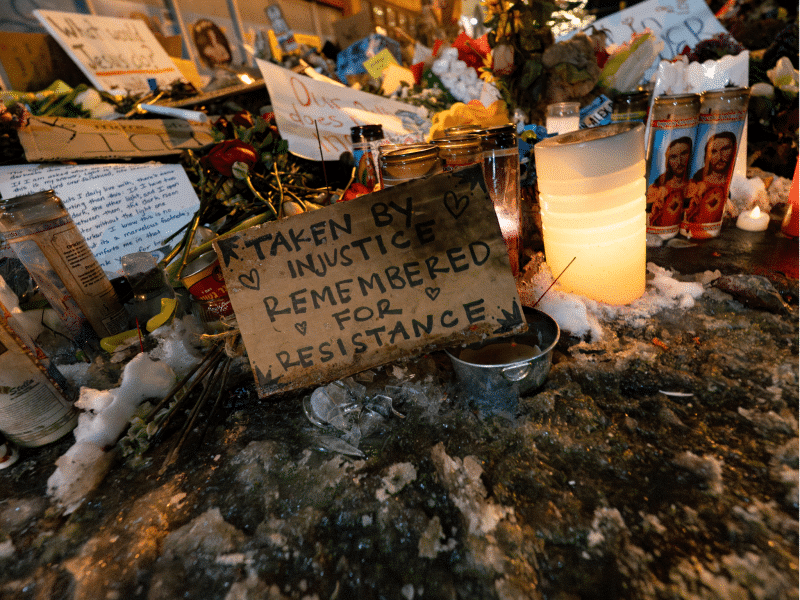
Mainstream coverage of Renee Good, Alex Pretti, and Keith Porter’s killings shows how anti-Black news standards desensitize communities to state violence.

The almost 50-year-old publication was a lifeline for chronically ill readers.

A new framework from Journalism + Design Lab invites newsrooms to build on the abundance, diversity, and momentum already in our communities to strengthen local news.

National resources to cover queer and trans news are shrinking as the number of anti-trans bills being considered across the U.S. in 2026 outpaces last year.
As corporate media instability and “pivot to video” shift the landscape of culture reporting, new worker-run food publications like Ravenous feed cravings for long-form writing.
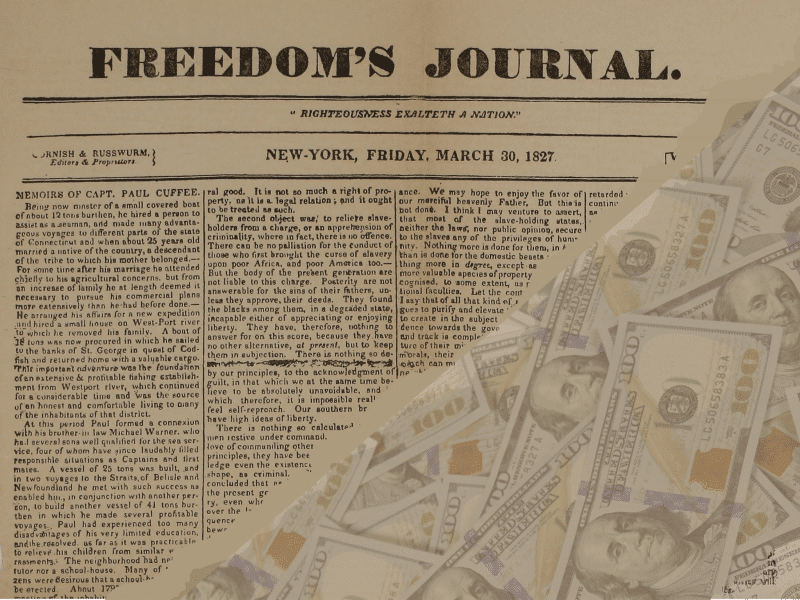
Looking to historical models can provide some clarity and inspiration in an environment once again hostile to funding Black journalists and the Black press.

Over 70 trans journalists and allies gathered for the convening. Panelists included TransLash CEO and founder Imara Jones and Trans Journalists Association board president Kae Petrin.