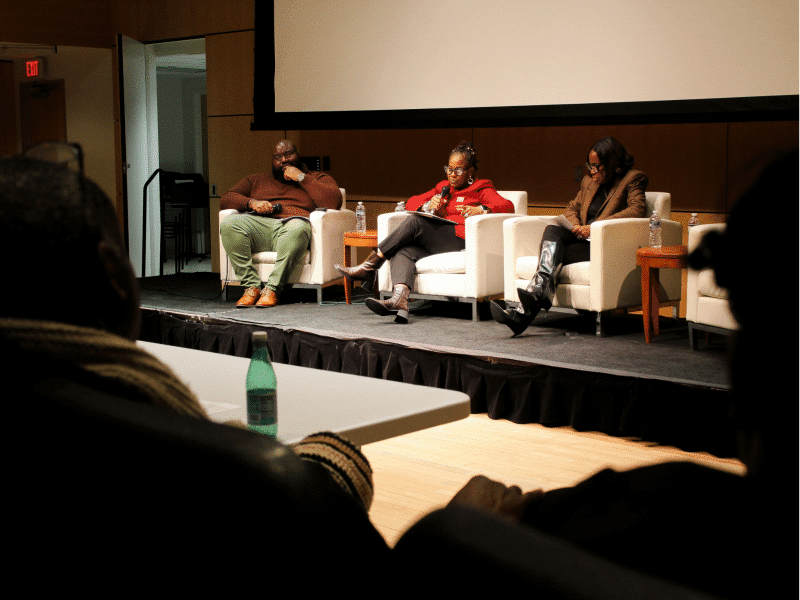
Q&A: ‘We’re winning when media reparations is common-sense’: Media 2070’s new chapter
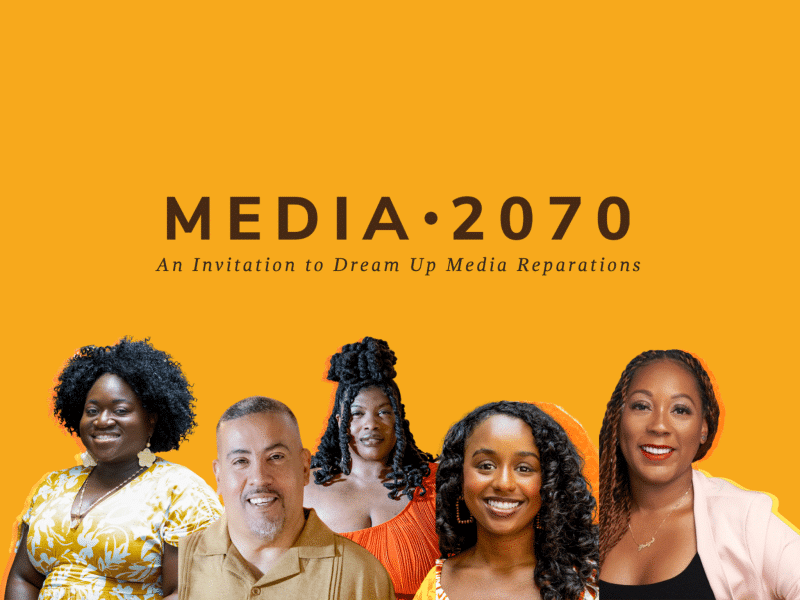
In the midst of attacks on Black press and journalists, Media 2070 charts a tangible future for Black narrative power and media reparations.
After “several funders did not renew their grants,” the Harvard-based hub making academia accessible to reporters cut its program director and managing editor positions.
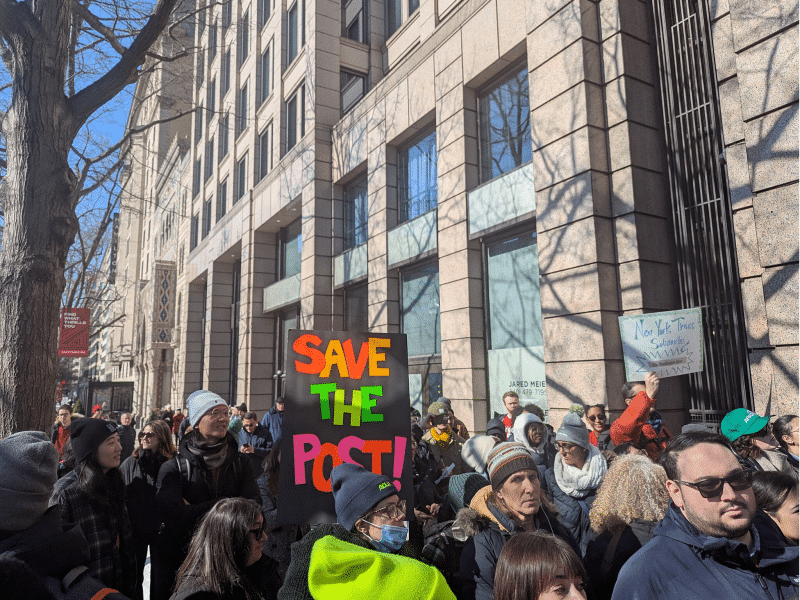
After cutting around one-third of staff, the Washington Post says it will concentrate on “areas that demonstrate authority” — with a national reporting desk that is now overwhelmingly white.
Disaster journalism is vital, but can be traumatizing for both journalists and sources. We can make it better by treating disaster survivors — and ourselves — with more humanity.
The failures of newsrooms to substantively cover anti-trans legislation in 2023 and 2024 have compounded over the first year of Trump's second term in office.
With the dissolution of the Corporation of Public Broadcasting — a 60-year support system — tribal-serving radio stations face a steep climb towards community self-sufficiency head-on.
Recent New York Times reporting on a Minnesota scandal may have cast unwelcome attention to the state’s Somali community, but it isn’t the first time national journalists haven’t captured the full scope of Minnesota’s local stories.
U.S. journalism professors have taken a variety of approaches to teaching about covering Palestine, including not doing so at all.
The ebb and flow of the philanthropic sector — especially around stories of marginalized people — has been an issue even before Trump’s targeting of DEI. But new shifts have disproportionately affected organizations led by people of color.
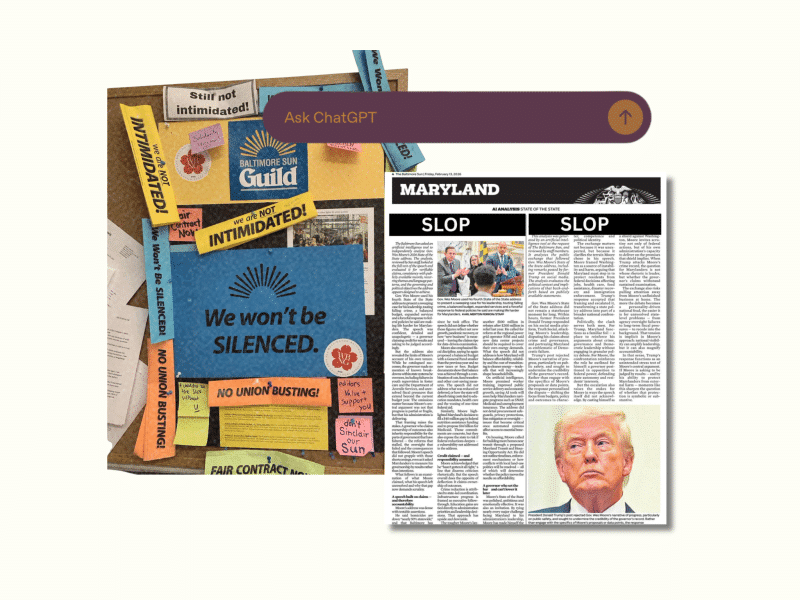
After a historic three-year strike, staffers at the Pittsburgh Post-Gazette returned to work in late November. Now, the 239-year-old paper is shuttering.