
Q&A: Alan Chazaro of KQED’s ¡Hella Hungry!
Poet, educator and ¡Hella Hungry! creator Alan Chazaro reflects on coming to food writing as someone from outside the institution of traditional journalism, telling human stories through food and more.
A collection of reporting, essays, and criticism about the holes that still exist in food media — and what its future could look like when we look to its past. Read more here.
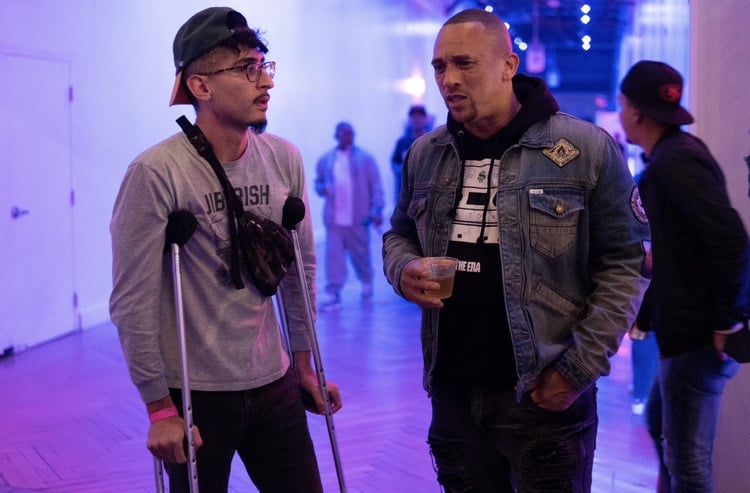
Poet, educator and ¡Hella Hungry! creator Alan Chazaro reflects on coming to food writing as someone from outside the institution of traditional journalism, telling human stories through food and more.

Despite the growing popularity of food media in recent years, African stories are sparingly included — leaving media coverage of food history incomplete.

Rarely, aside from sexual assault, overt racism, or in the case of Martha Stewart, insider trading, do celebrity chefs get comeuppance.

Discussing cultural appreciation and appropriation is also about broader questions of who can get a platform to share food — and who profits.
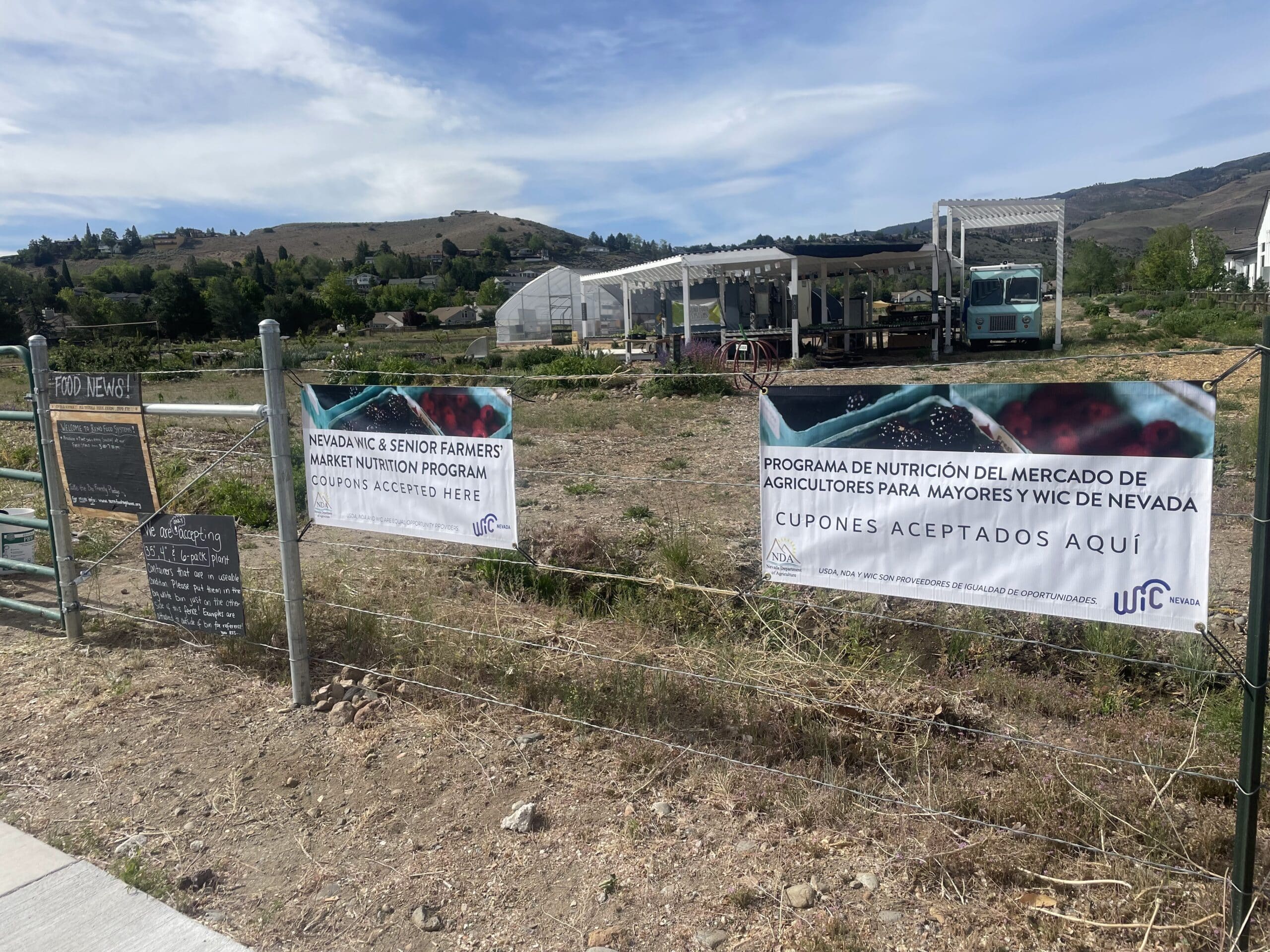
But in order to create lasting change, we can't be satisfied with just recognizing the symptoms of an unjust system and responding with patchwork solutions.
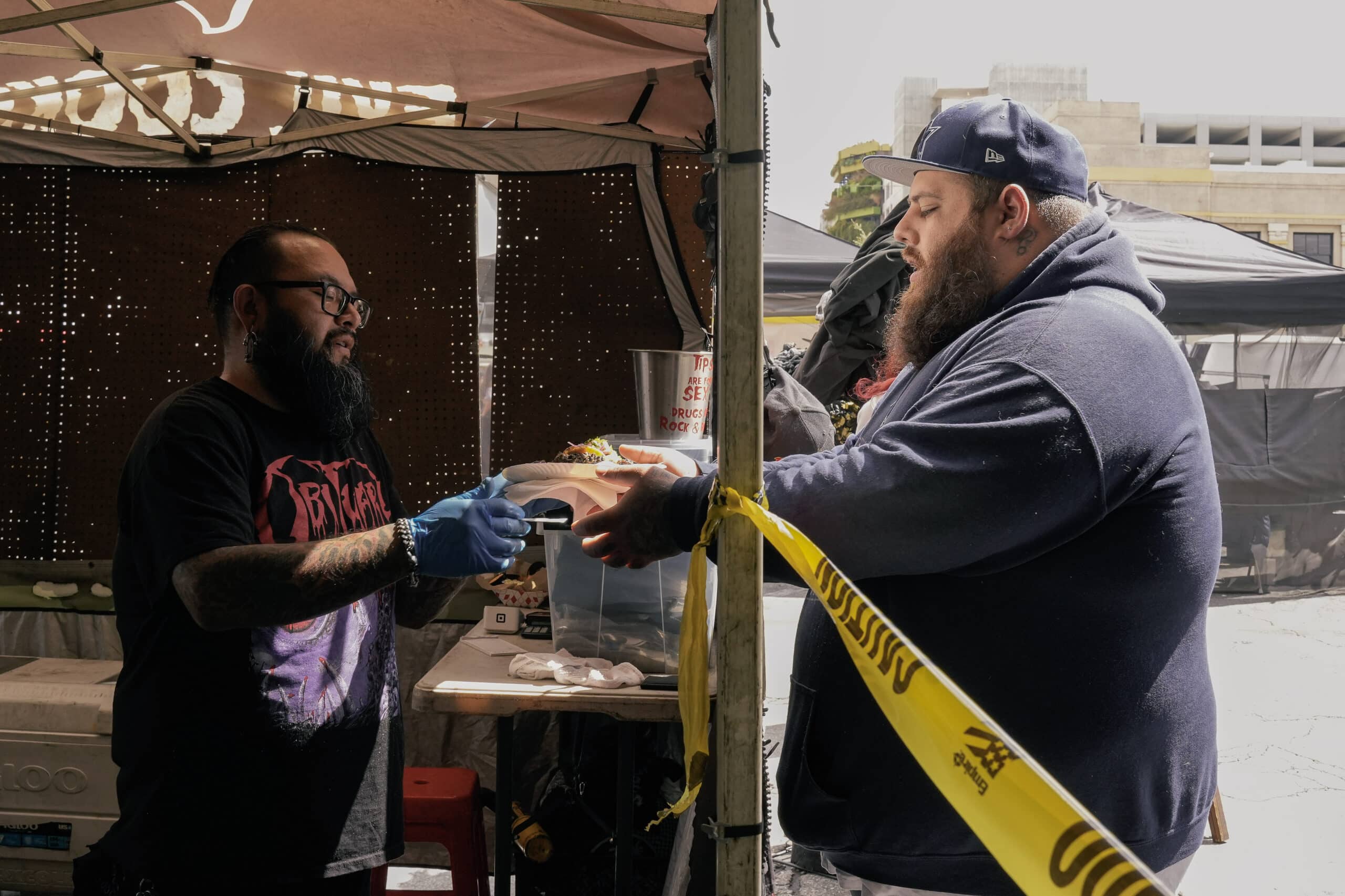
Angelenos like me fear strangers stampeding into our communities with some voyeuristic claim on our spaces.

Regardless of reason, uncritical food writing shores up existing power structures, and fails to serve the consumers and workers who stand to be hurt by them.
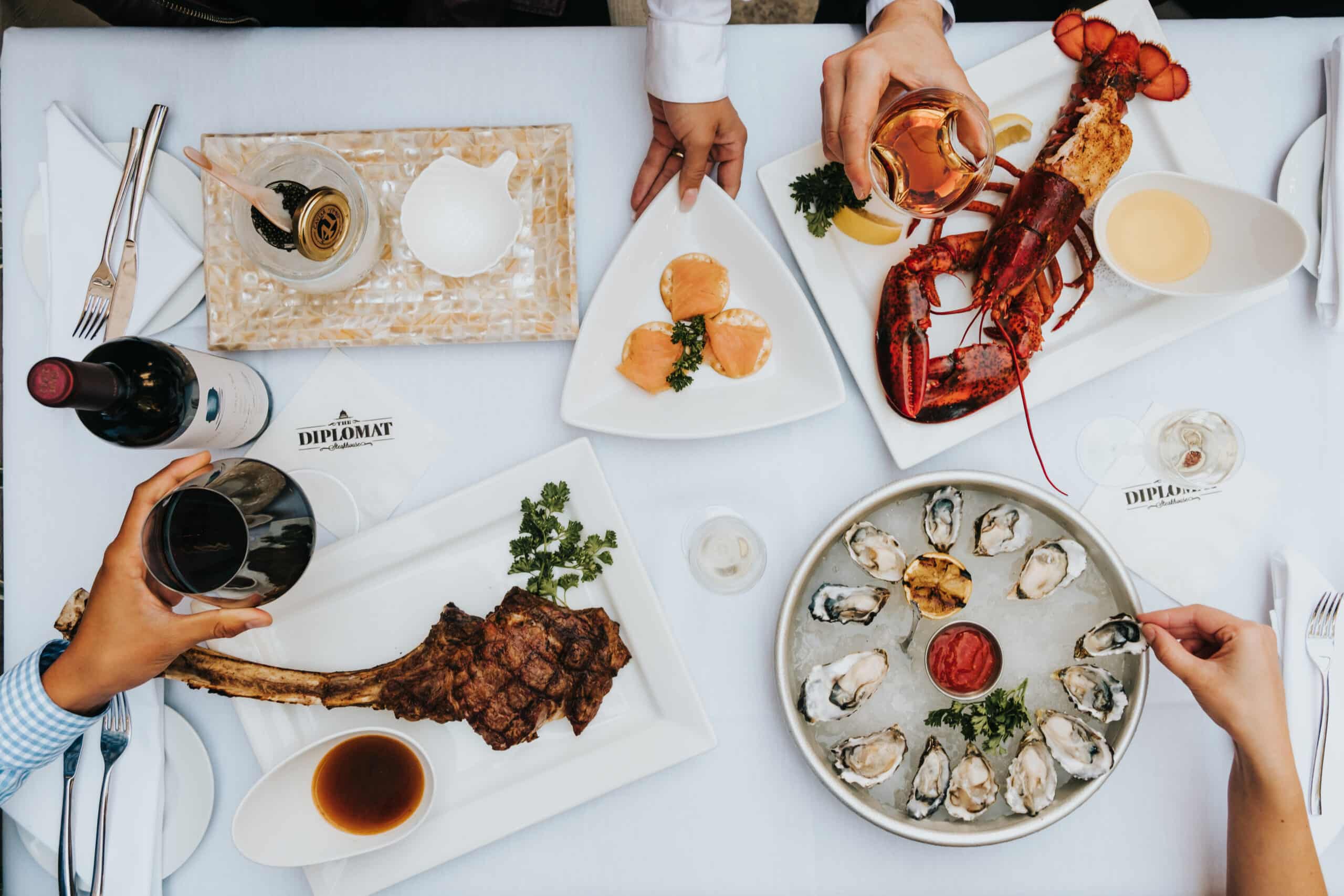
Food reporters shouldn't just write about what's on their plate — they need to interrogate how it got there.

Reporting, essays, and criticism about the holes that still exist in food media — and what its future could look like when we look to its past.

A conversation about tokenism in food media, the importance of disrupting it, and what food media might look like in the future.